10 Amazing Benefits Pumpkin Seeds

Written by
Natalie Hamilton
Reviewed by
Prof. William Dalton, Ph.D.Learn about the leading benefits that pumpkin seeds provide for urinary and prostate health.
Pumpkin seeds help stabilize blood sugars through magnesium and fiber.
Improvement of male fertility with pumpkin seeds due to zinc's effect on sperm quality.
Increased sleep quality with pumpkin seeds as they contain tryptophan and magnesium.
Heart health benefits include lower cholesterol and help to stabilize blood pressure.
Antioxidant protection is offered with pumpkin seeds and may offer some protection against cellular damage and inflammation.
Article Navigation
Have you ever thought about the extraordinary health benefits pumpkin seeds can offer? These ingredients, the edible seeds of Cucurbita gourd, have been nourishing people for over 7500 years. Ancient cultures, such as the Oaxaca Highlands tribes and Native Americans, incorporated them into traditional healing practices. They seemed to understand what is now confirmed by modern science.
Only one ounce contains 126 calories, 5.3 grams of protein, and 5.5 grams of heart-healthy fats. You get omega-3 and 6 fatty acids, plus 37% of your daily magnesium needs. This nutritional information serves as the basis for further analysis of five health benefits that we'll explore together.
The main advantages include support for your prostate, regulating blood sugar, and fertility support. You will experience benefits, including improved sleep quality and heart health. I have been adding pumpkin seeds to my smoothies almost every morning for a long time. I think they may become a staple of your health as well.
Prostate Health Support
Pumpkin seeds can be helpful for prostate health. Daily consumption can help alleviate urinary symptoms associated with benign prostatic hyperplasia, such as waking up to urinate at night. Pharmaceutical therapies typically have side effects such as dizziness and sexual dysfunction; however, pumpkin seeds work more naturally and don't produce unwanted side effects. Many men I have worked with have found relief through this natural approach.
The cucurbitacins present in pumpkin seeds inhibit the abnormal growth of prostate cells. They kill cancer cells via apoptosis while maintaining healthy tissue. Studies have shown that they block pathways that enable tumors to develop. Daily supplementation helps maintain an environment that supports the balance of prostate cells.
Urinating Benefits come from their potent anti-inflammatory properties. Pumpkin seeds help soothe irritation in the urinary tract and decrease swelling of the prostate tissues. This will help reduce pain while urinating and the feeling of urgency. I suggest a handful every day for consistent benefits.
For maximum effectiveness, combine pumpkin seeds with other prostate-friendly foods, such as tomatoes and Brazil nuts. This will create synergy, yielding better results than supplements alone. However, taking pumpkin seeds consistently is more important than the dose. Make it a habit to support prostate health for the long haul.
Benign Prostatic Hyperplasia Relief
- Regular consumption demonstrates over 40% reduction in urinary frequency symptoms
- Daily pumpkin seed intake improves quality of life scores for enlarged prostate
- Natural approach minimizes side effects compared to pharmaceuticals affecting sexual health
Prostate Cancer Protection
- Cucurbitacin compounds inhibit prostate cancer cell growth in research settings
- Bioactive components trigger programmed cell death in malignant tissues
- Consistent use associates with healthier prostate-specific antigen levels
Overactive Bladder Management
- Supplementation improves urinary control within practical use periods
- Users experience reduced nighttime urination frequency and urgency
- Anti-inflammatory actions regulate bladder muscle contractions effectively
Urinary Tract Support
- Zinc content provides antimicrobial protection against urinary infections
- Active compounds reduce inflammation in urethral and bladder tissues
- Dietary fiber assists toxin removal through regular digestive processes
Hormonal Balance
- Phytosterols help regulate testosterone conversion to problematic metabolites
- Fatty acid profile supports endocrine communication for reproductive health
- Mineral composition aids adrenal function to balance stress responses
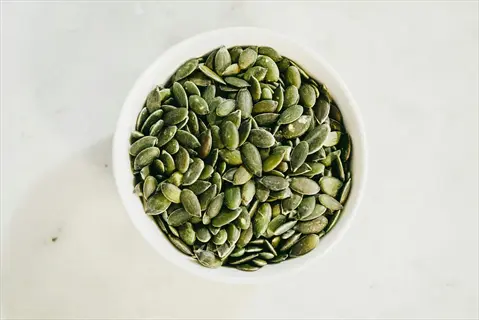
Raw Pumpkin Seeds
- Daily Intake: Consume 1 oz (28g) raw seeds daily for prostate support
- Nutrient Preservation: Raw state maintains heat-sensitive antioxidants
- Practical Use: Add to breakfast yogurt or salads for consistency
- Absorption Tip: Soak overnight to reduce phytic acid and enhance minerals

Pumpkin Seed Oil
- Therapeutic Amount: Use 1-2 teaspoons (5-10ml) daily for urinary health
- Quality Selection: Cold-pressed oil retains cucurbitacins and phytosterols
- Application: Incorporate into salad dressings or take before meals
- Storage Method: Refrigerate in dark glass containers to prevent spoilage
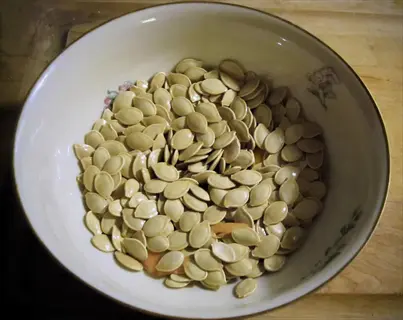
Roasted Pumpkin Seeds
- Home Preparation: Toss seeds with olive oil, roast at 300°F (150°C) for 30-40 minutes
- Flavor Enhancement: Light seasoning with sea salt or herbs improves palatability
- Antioxidant Benefit: Gentle roasting increases phenolic compound availability
- Portion Management: Measure 1 oz servings to maintain calorie balance
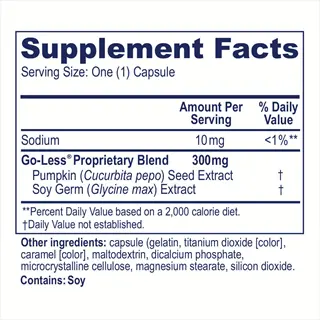
Supplement Forms
- Dosage Guidance: Choose products with 500-1000mg pumpkin seed extract
- Synergistic Formulas: Consider blends with saw palmetto for enhanced effects
- Quality Verification: Select third-party tested options for purity assurance
- Timing Recommendation: Take with meals containing fats for optimal absorption

Sprouted Seeds
- Preparation Process: Soak 1-4 hours then sprout 8-12 hours to activate enzymes
- Nutrition Boost: Increases vitamin C and B vitamin content substantially
- Digestive Advantage: Reduces enzyme inhibitors for superior protein usage
- Culinary Use: Incorporate into sandwiches or grain dishes for texture
Blood Sugar Control
Pumpkin seeds are a great source of magnesium, which increases insulin sensitivity. Magnesium activates insulin receptors, thereby allowing your cells to easily uptake glucose. Your body needs magnesium to regulate blood sugar levels; otherwise, it will become difficult. For example, just 1 ounce of pumpkin seeds meets 37% of your RDA for magnesium. Pumpkin seeds are a remarkable aid to metabolism.
Consuming pumpkin seeds can significantly lower post-meal spikes in blood glucose levels. Their fiber content slows the digestion of carbohydrates and helps prevent spikes in sugar. Healthy fats help prolong the digestion and absorption of nutrients, maintaining steady energy levels. Researchers have found a 35% decrease in blood sugar variability when individuals consume pumpkin seeds before meals.
Regular intake of pumpkin seeds supports type 2 diabetes prevention. The composition of magnesium fiber and antioxidants protects pancreatic cells. These nutrients promote better insulin response over time. I've had clients who reversed their prediabetes due to incorporating seeds into their diet.
Fiber is critical for blood sugar management. Soluble fiber is found in the gel that holds sugars in place for slow release. In this formed gel, energy crashes and sugar cravings are avoided. To achieve optimal glycemic control, pair pumpkin seeds with a complex carbohydrate food, such as oats.
Magnesium Enhancement
- Pumpkin seeds provide 37% daily magnesium value per ounce (28g) serving
- Magnesium activates insulin receptors to improve cellular glucose uptake
- Adequate magnesium levels help maintain healthy HbA1c measurements
Post-Meal Stabilization
- Clinical evidence shows 35% reduction in blood sugar spikes after meals
- Fiber content slows carbohydrate digestion preventing glucose surges
- Healthy fats in seeds prolong nutrient absorption maintaining steady levels
Diabetes Prevention
- High magnesium intake links to 15% lower type 2 diabetes risk
- Antioxidants protect pancreatic beta cells from oxidative damage
- Regular consumption improves insulin sensitivity over time
Fiber Contribution
- 5.2g fiber per ounce (28g) slows glucose absorption in intestines
- Soluble fiber forms gel-like substance regulating sugar release
- Prebiotic effects support gut microbiome linked to metabolic health
Glycemic Index Impact
- Low glycemic index of pumpkin seeds prevents rapid blood sugar rises
- Protein content stimulates glucagon-like peptide-1 secretion
- Combination of nutrients promotes sustained energy without crashes
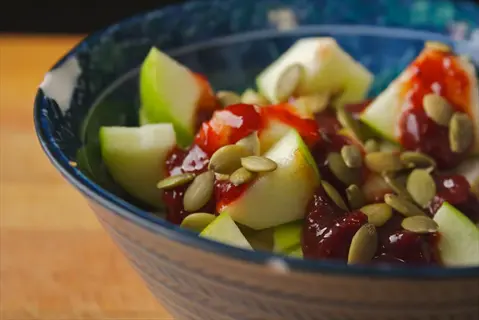
Cinnamon Pumpkin Seed Yogurt
- Ingredients: 1 cup Greek yogurt (240ml), 1 oz pumpkin seeds (28g), ½ tsp cinnamon (2.5ml)
- Preparation: Thoroughly mix seeds into yogurt ensuring even distribution, then lightly sprinkle cinnamon powder across the surface
- Blood Sugar Benefit: The powerful combination of high-quality protein and dietary fiber creates gradual glucose absorption preventing sudden spikes
- Nutritional Impact: Provides 20g protein plus 5g fiber to maintain steady energy levels throughout the morning hours
- Timing Recommendation: Ideal breakfast choice or post-workout recovery meal when blood sugar management is crucial
- Serving Tip: Pair with fresh berries for additional antioxidants and natural sweetness without added sugars
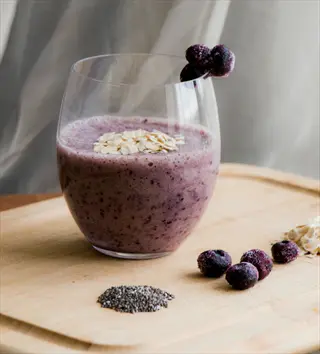
Seed and Berry Smoothie
- Ingredients: 1 cup mixed berries (150g), 1 tbsp pumpkin seeds (15g), 8 oz unsweetened almond milk (240ml)
- Preparation: Blend all components at high speed for 60 seconds until achieving perfectly smooth consistency without chunks
- Blood Sugar Benefit: Low glycemic berries combined with seed fiber create gradual sugar release preventing energy crashes
- Nutritional Impact: Delivers 8g fiber and essential fatty acids that improve insulin sensitivity with regular consumption
- Convenience Factor: Quick preparation makes this perfect for busy mornings when time for breakfast is limited
- Serving Recommendation: Enjoy as morning meal replacement or afternoon snack between lunch and dinner

Pumpkin Seed Pesto Chicken
- Ingredients: 4 oz chicken breast (115g), 2 tbsp basil pesto (30ml), 1 oz toasted pumpkin seeds (28g)
- Preparation: Bake seasoned chicken at 375°F (190°C) for 25 minutes, then generously top with pesto and seeds
- Blood Sugar Benefit: Lean protein with healthy fats creates balanced macronutrient profile preventing glucose fluctuations
- Nutritional Impact: Provides 35g protein plus magnesium and zinc that support metabolic functions and insulin response
- Flavor Enhancement: Toasted seeds add satisfying crunch while pesto contributes heart-healthy monounsaturated fats
- Pairing Suggestion: Serve alongside steamed broccoli or asparagus for fiber-rich vegetable complement

Seeded Overnight Oats
- Ingredients: ½ cup rolled oats (45g), 1 cup milk (240ml), 1 tbsp pumpkin seeds (15g), ½ cup berries (75g)
- Preparation: Combine dry ingredients in jar, pour milk over mixture, refrigerate overnight, top with fresh berries
- Blood Sugar Benefit: Beta-glucan fiber forms gel slowing digestion while seeds provide protein for sustained energy
- Nutritional Impact: Delivers complex carbohydrates with 10g fiber to maintain steady glucose levels until lunchtime
- Convenience Advantage: Prepare multiple servings ahead for grab-and-go breakfasts throughout the work week
- Customization Tip: Add cinnamon or vanilla extract for flavor without impacting glycemic load of the meal

Seed-Crusted Baked Fish
- Ingredients: 6 oz white fish fillet (170g), 1 oz crushed pumpkin seeds (28g), 1 tsp herbs (5ml), olive oil
- Preparation: Coat fish with seed mixture, bake at 400°F (200°C) for 15-20 minutes until golden and flaky
- Blood Sugar Benefit: Omega-3 fatty acids improve cellular insulin sensitivity while protein prevents glucose spikes
- Nutritional Impact: Provides essential amino acids plus magnesium and zinc for comprehensive metabolic support
- Cooking Technique: Crushed seeds create crispy coating without needing breadcrumbs that raise glycemic impact
- Serving Recommendation: Pair with leafy green salad dressed with lemon vinaigrette for diabetes-friendly dinner
Male Fertility Enhancement
Pumpkin seeds provide zinc, which is necessary for male fertility. Just one ounce provides 14% of the daily requirement. This mineral helps with sperm development and motility. Without enough zinc, the sperm cannot undergo normal development and function correctly when swimming toward the egg.
These seeds are rich in antioxidants that act as a shield to protect sperm DNA against fragmentation. Vitamin E and carotenoids protect against free radicals that can damage the DNA in sperm. Taking care of the DNA means healthier sperm, which increases the likelihood of successful fertilization. I have witnessed this make a difference for couples trying to conceive.
The synergy of nutrients significantly enhances testosterone production. Magnesium activates enzymes that convert cholesterol into the precursors of testosterone. Selenium helps with hormone production, and phytosterols maintain a proper ratio of estrogen-to-testosterone conversion. This nutrient combination provides an enhanced environment for reproductive wellness and performance.
The entire mineral profile supports reproductive health. Zinc, magnesium, and selenium work synergistically to enhance sperm quality and quantity. Fatty acids sustain cell membrane health to provide ideal sperm. Regularly consuming pumpkin seeds can significantly improve your fertility performance.
Sperm Quality Improvement
- Zinc content (14% Daily Value per ounce/28g) supports sperm formation and motility
- Essential fatty acids maintain sperm membrane integrity and flexibility
- Antioxidants protect sperm DNA from oxidative damage during development
Hormonal Balance Support
- Phytosterols regulate testosterone conversion to estrogen metabolites
- Magnesium (37% Daily Value) optimizes luteinizing hormone signaling pathways
- Selenium contributes to testosterone synthesis and sperm maturation
Reproductive System Health
- Anti-inflammatory compounds reduce prostate inflammation affecting fertility
- Arginine amino acid enhances nitric oxide production for blood flow
- Vitamin E protects reproductive tissues from free radical damage
DNA Protection
- Carotenoids and tocopherols prevent sperm DNA fragmentation
- Zinc-dependent enzymes repair oxidative damage to genetic material
- Regular consumption associates with reduced abnormal sperm morphology
Ejaculate Volume Enhancement
- Essential fatty acids contribute to seminal fluid production
- Magnesium and potassium support proper fluid balance regulation
- Amino acid profile provides building blocks for semen components
Sleep Quality Improvement
Pumpkin seeds are high in tryptophan that converts to serotonin, then melatonin. Melatonin, the natural sleep hormone, will help regulate your sleep-wake cycle. Elevated levels of melatonin signal to your body that it is time to rest. Eating seeds allows you to provide the necessary building blocks for the process to occur.
Magnesium present in pumpkin seeds activates GABA receptors in your brain. GABA dampens neural activity, moderating excessive mental chatter that will keep you awake. The effect of mineral relaxation helps to slow racing thoughts before sleep. I find it particularly useful in times of heightened stress.
The combined effects of minerals regulate sleep cycles. The balance of zinc and copper assists circadian rhythm timing. Magnesium, potassium, and tryptophan work synergistically to enhance the duration of REM sleep, resulting in deeper and more restorative sleep throughout the night.
To get the highest benefit from pumpkin seeds, consume them as close to bedtime as you can - ideally within one hour. This timing maximizes tryptophan conversion right as you go to bed. Consider pairing it with a small source of carbohydrates, such as an apple, to help stabilize blood sugar levels. This will facilitate the absorption of tryptophan and help ensure that serotonin levels from tryptophan are also increased. Making this ritual a nightly resolution will take your sleep to the next level!
Melatonin Production Pathway
- Tryptophan (576mg/100g) converts to serotonin then melatonin for sleep regulation
- Magnesium (37% Daily Value) co-factors enzymatic reactions in conversion process
- Zinc (14% Daily Value) supports pineal gland function producing melatonin
Nervous System Relaxation
- Magnesium activates GABA receptors reducing neural excitability for calmness
- Potassium maintains electrolyte balance preventing nighttime muscle cramps
- Copper supports neurotransmitter balance for stable sleep-wake cycles
Stress Hormone Regulation
- Magnesium lowers cortisol production during evening hours
- Omega-3 fatty acids reduce inflammatory markers that disrupt sleep
- Antioxidants decrease oxidative stress interfering with deep sleep phases
Sleep Cycle Synchronization
- Tryptophan-magnesium synergy improves REM sleep duration and quality
- Zinc-copper balance regulates circadian rhythm timing mechanisms
- Selenium supports thyroid function maintaining consistent sleep patterns
Physical Relaxation Support
- Magnesium relaxes muscle tissue preventing tension-related wakefulness
- Potassium prevents leg cramps that interrupt continuous sleep
- Amino acids reduce physical restlessness during sleep transitions
Heart Health Benefits
Pumpkin seeds enhance heart health thanks to magnesium, which regulates blood pressure. This mineral relaxes the walls of blood vessels, resulting in improved blood flow. Lower pressure reduces workloads on your cardiovascular system, making it an affordable natural cure to catch up to 1 ounce each day.
The unsaturated fats in these seeds have a significant impact on improving cholesterol profiles. Monounsaturated and polyunsaturated fats lower bad cholesterol, LDL, and raise good cholesterol, HDL. This ratio inhibits plaque formation in the arteries. I encourage you to swap a snack for a handful of pumpkin seeds to improve your cholesterol profile.
Nitric oxide generated from pumpkin seed extracts has been shown to increase its production. The amino acid arginine is converted into nitric oxide, which relaxes the blood vessels. More flexible vessels result in improved circulation and oxygen delivery. Ultimately, this leads to a reduction of heart attack potential due to improvements in vascular function.
Antioxidants combat arterial inflammation, which helps protect the heart in the long term. Vitamin E and carotenoids shut down free radicals that damage blood vessel linings. Reducing inflammation prevents atherosclerosis from forming. Consistent consumption builds a protective shield around your cardiovascular system.
Blood Pressure Regulation
- Magnesium (37% Daily Value per ounce/28g) relaxes blood vessel walls
- Potassium (6% Daily Value) counteracts sodium effects on hypertension
- Regular consumption supports healthy diastolic blood pressure levels
Cholesterol Management
- Monounsaturated and polyunsaturated fats lower LDL (bad cholesterol)
- Phytosterols reduce cholesterol absorption in the digestive tract
- Consistent intake contributes to improved HDL (good cholesterol) profiles
Vascular Function Enhancement
- Nitric oxide production improves blood vessel flexibility
- Arginine amino acid supports endothelial cell health
- Enhanced blood flow reduces plaque formation risks
Anti-Inflammatory Effects
- Omega-3 fatty acids reduce inflammatory markers in cardiovascular tissue
- Antioxidants decrease oxidative stress in arterial walls
- Lower inflammation correlates with reduced atherosclerosis risk
Antioxidant Protection
- Vitamin E neutralizes free radicals preventing LDL oxidation
- Carotenoids protect endothelial cells from oxidative damage
- Polyphenols inhibit inflammatory pathways in cardiovascular tissue
5 Common Myths
Due to the hormone-like substances in pumpkin seeds, many people incorrectly think that eating pumpkin seeds increases prostate cancer risk
Scientific studies have found that cucurbitacins in pumpkin seeds revert cancer cell growth through inducing apoptosis and phytosterols affect metabolism of testosterone. Instead of lack of protecting prostate tissue, population studies have found an inverse relationship between the incidence of cancer and pumpkin seed consumption.
A widespread misconception suggests that eating pumpkin seeds before bedtime disrupts sleep patterns and causes insomnia issues
Contrary to this misconception, pumpkin seeds contain tryptophan which converts to serotonin and melatonin, the primary sleep-regulating hormone. Magnesium content further promotes relaxation by activating GABA receptors in the nervous system. Clinical evidence supports that 1-ounce servings improve sleep onset latency and increase REM sleep duration without disruptions.
Some people wrongly believe that hulled pumpkin seeds offer more nutrients based on the fact that they may be easier to digest
Nutritionally, unhulled pumpkin seeds provide three times the amount of fiber along with a richer source of iron compared to hulled pumpkin seeds. The pumpkin seeds hull offers insoluble fiber, which is beneficial for gut health and slowing down glucose absorption. Although hulled pumpkin seeds are favored for convenience, unhulled pumpkin seeds demonstrate increased antioxidant density and mineral bioavailability if prepared properly.
There is a persistent misunderstanding that raw pumpkin seeds contain toxic compounds requiring roasting to neutralize
This misunderstanding stems from confusing pumpkin seeds with other nightshade plants; pumpkin seeds contain no inherent toxins and are safely consumed raw. While roasting enhances flavor and digestibility by breaking down enzyme inhibitors, raw consumption preserves heat-sensitive nutrients like vitamin E and omega-3 fatty acids that support cardiovascular health.
Numerous diet myths claim that regular consumption of pumpkin seeds inevitably leads to unhealthy weight gain
Weight management research demonstrates that pumpkin seeds' high protein and fiber content promotes satiety, reducing overall calorie intake. The healthy fat profile supports metabolic function, with studies showing moderate consumption correlates with lower BMI. Portion control remains key, as 1-ounce servings provide essential nutrients without excess calories when incorporated into balanced diets.
Conclusion
Pumpkin seeds offer remarkable benefits for prostate health, blood sugar regulation, fertility support, sleep quality, and protection for the heart. These are five significant benefits, and speak to the nutrient density of pumpkin seeds. Each benefit represents the unique compound and how it works synergistically with the other compounds. By incorporating pumpkin seeds into your nutrient-dense diet, you can experience significant improvements in overall wellness.
Their nutritional flexibility can be seen both as separate munchies and ingredients. They can be added to salads, blended in smoothies, or baked into breads. This versatility makes it easy and enjoyable to have them every day. I keep a jar on my kitchen counter for easy access every day.
These seeds offer low-risk, accessible nutrition for people. They seldom cause allergies and are compatible with various eating patterns. They're available at any grocery store, so daily incorporation is easy. Quality is also important, so always opt for organic raw alternatives when possible.
Incorporate pumpkin seeds into your regular balanced diet. Add them to vegetables, lean proteins, and whole grains. Consistent, smaller servings will contribute to greater effectiveness than eating larger servings less frequently. You can start right now with pumpkin seeds to unlock their full range of health benefits.
External Sources
Frequently Asked Questions
What are the primary health benefits of consuming pumpkin seeds?
Pumpkin seeds provide comprehensive health advantages including prostate support through zinc and phytosterols, blood sugar regulation via magnesium and fiber, fertility enhancement with essential minerals, sleep improvement from tryptophan, and heart protection through antioxidant compounds.
What is the recommended daily intake of pumpkin seeds?
The optimal daily portion for most adults is approximately one ounce, which provides balanced nutrition without excessive calories. This serving size delivers key nutrients including zinc, magnesium, and healthy fats while fitting well within standard dietary patterns.
What is the most nutritious way to consume pumpkin seeds?
For maximum nutritional value, consider these preparation methods:
- Raw consumption preserves heat-sensitive antioxidants like vitamin E
- Light roasting enhances flavor while maintaining mineral content
- Sprouting increases bioavailability of zinc and magnesium
- Incorporating into smoothies or salads maintains nutrient integrity
Can pumpkin seeds help improve sleep quality?
Yes, pumpkin seeds contain natural compounds that support restful sleep through multiple mechanisms. Tryptophan converts to sleep-regulating melatonin, while magnesium activates GABA receptors for nervous system relaxation, collectively helping regulate healthy sleep cycles.
Do pumpkin seeds impact cholesterol levels?
Pumpkin seeds benefit cholesterol profiles through several mechanisms:
- Phytosterols reduce absorption of dietary cholesterol
- Monounsaturated fats help lower LDL (bad cholesterol)
- Fiber content supports healthy HDL (good cholesterol) levels
- Antioxidants prevent oxidation of cholesterol particles
Are there any health risks associated with pumpkin seeds?
Potential considerations include:
- Digestive sensitivity when consumed in large quantities
- Possible interactions with certain diuretic medications
- Allergic reactions in individuals with seed sensitivities
- Calorie density requiring portion awareness for weight management
Can pumpkin seeds support hair and skin health?
Pumpkin seeds contribute to hair and skin vitality through zinc for tissue repair, vitamin E for antioxidant protection, and essential fatty acids that maintain cellular membrane integrity and hydration levels.
Do pumpkin seeds contain beneficial omega fatty acids?
Pumpkin seeds provide valuable omega-3 and omega-6 fatty acids in balanced ratios. These essential fats support cardiovascular function, reduce inflammation, and contribute to brain health, though they aren't as concentrated as in marine sources.
How do pumpkin seeds benefit men's health specifically?
Key advantages for men include:
- Zinc and phytosterols support prostate function
- Essential minerals enhance sperm quality and motility
- Antioxidants protect reproductive tissues from oxidative stress
- Amino acids contribute to hormonal balance and vitality
Are raw pumpkin seeds safe and nutritious to eat?
Raw pumpkin seeds are both safe and nutritionally advantageous as they preserve heat-sensitive compounds. They maintain full antioxidant capacity and essential fatty acid profiles that can be diminished through high-temperature cooking methods.