10 Incredible Benefits of Feta Cheese

Written by
Tran Quang
Reviewed by
Prof. William Dalton, Ph.D.Explore the advantages of feta cheese regarding bone health and nutrition.
Feta contains probiotics that naturally promote gut health and digestion.
Feta contains 76 calories per ounce and can help with weight management goals.
Feta is digestible for sensitive consumers because of its low lactose content.
True Greek feta comes with a uniquely PDO protected quality and flavor.
Properly stored in brine, feta may stay fresh up to three months.
Article Navigation
The advantages of feta cheese are not limited to its wonderful flavor. This mainstay of the Mediterranean region is found on tables all over the world. The Greek family uses cheese freely every day. Its pleasantly piquant flavor is added to all kinds of salads, pastas, and baked dishes. Feta has a place deeply rooted in the culinary habits of this nation.
Feta is protected by PDO, meaning genuine creation takes place only in a limited number of areas in Greece. Feta cheese is a mixture of sheep and goat milk in exact proportions. The cheese is pure brine cheese and ages beautifully. Below, we examine 10 health benefits supported by evidence of what this wonderful cheese has to offer.
Our guide explains feta's nutritional breakdown and storage methods. You'll become familiar with its culinary versatility. You'll discover common misconceptions. This hybrid approach will enable you to take full advantage of feta in your wellness journey and culinary explorations.
Culinary Versatility
Feta shines in Greek classics such as horiatiki salad, where the saltiness of the cheese is balanced by the tomatoes and olives in the dish. But feta is also found far from its Mediterranean birthplace. It can be found in Mexican tacos, Indian curries, and elsewhere. Its versatility makes it a must in any world kitchen.
Try feta transformations that will surprise your palate. When baked, it becomes creamy and mild, wonderful in spinach pies. Cold and crumbled over watermelon, there is a sweet, savory explosion. Pair with honey and figs for a touch of dessert elegance.
Uncooked feta provides a crumbly texture that improves grain bowls and salads. The cooked version melts into a velvety sauce that pairs perfectly with pasta or grilled vegetables. The dual nature of feta allows you to create two different experiences from one ingredient.
Combine the salty flavor of feta cheese with sweet partners, such as beets or pears. You can use earthy mushrooms and zucchini that soak up its flavor. My go-to quick meal uses roasted sweet potatoes with caramelized feta cheese.

Watermelon Feta Salad
- This summer dish combines sweet watermelon cubes with salty feta crumbles, fresh mint leaves, and a light balsamic glaze. The contrast between juicy fruit and briny cheese creates refreshing flavors perfect for warm weather.
- Originating from Greek tavernas, this pairing balances hydration and protein. A typical serving contains about 4oz (113g) watermelon and 1oz (28g) feta per person.
- Nutritionally, it provides vitamin C from melon and calcium from cheese. The mint adds digestive benefits while olive oil contributes heart-healthy monounsaturated fats.
- Preparation involves cubing fresh watermelon and crumbling feta over it. The dish is typically finished with torn mint leaves and a drizzle of olive oil.
- This combination works well because watermelon's high water content (92%) contrasts with feta's dense texture. The saltiness enhances the fruit's natural sweetness.
- Serving temperature matters: chilled watermelon provides maximum refreshment. Allow the salad to sit for 10 minutes before serving to let flavors meld.
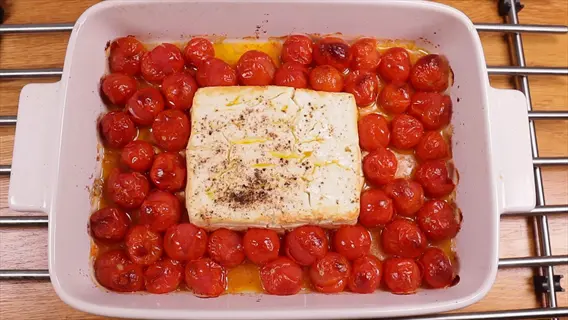
Baked Feta Appetizer
- Oven-baked feta develops a creamy texture when heated with cherry tomatoes, garlic, and Mediterranean herbs. Served with crusty bread, it makes a warm dip that highlights feta's melting properties.
- Preparation requires baking at 400°F (200°C) for 20-25 minutes. The heat transforms feta's crumbly texture into a spreadable consistency while intensifying its salty tang.
- This cooking method enhances bioavailability of calcium. Pairing with tomatoes increases lycopene absorption, creating a nutrient-dense appetizer or light meal.
- Use a baking dish where ingredients fit snugly. Whole cherry tomatoes burst during cooking, creating a flavorful sauce around the cheese.
- Fresh herbs like oregano or thyme complement feta's tanginess. Adding a drizzle of honey before baking balances acidity with subtle sweetness.
- For best results, use a block rather than crumbled feta. The cheese should be submerged halfway in olive oil and tomato juices during baking.

Greek Style Omelet
- Feta adds salty complexity to egg dishes, complementing vegetables like spinach, roasted peppers, and Kalamata olives. The cheese maintains structural integrity during cooking without becoming rubbery.
- Use 1-2oz (28-56g) crumbled feta per two-egg omelet. The salt content means additional seasoning is rarely needed, reducing sodium intake compared to adding table salt.
- Protein pairing creates complete amino acid profile. Eggs provide choline while feta contributes branched-chain amino acids important for muscle maintenance and repair.
- Pre-cook vegetables before adding to eggs. Wilt spinach and roast peppers separately to remove excess moisture that could make the omelet watery.
- Add feta during the final cooking stage. Sprinkling cheese just before folding prevents it from melting completely and maintains distinct flavor pockets.
- Serve with whole-grain toast to increase fiber content. The grains help balance the meal's glycemic impact and provide sustained energy.

Feta Stuffed Peppers
- Bell peppers filled with feta, grains like quinoa or rice, and Mediterranean herbs create balanced vegetarian entrées. Baking softens peppers while allowing feta to brown slightly.
- Opt for red or yellow peppers which have higher vitamin C content than green varieties. A medium pepper holds approximately 3oz (85g) of filling including feta.
- The combination provides fiber from peppers, protein from cheese, and complex carbs from grains. Feta's saltiness permeates the filling, eliminating need for additional sodium.
- Par-cook peppers before stuffing. Roasting at 425°F (220°C) for 10 minutes softens skins while maintaining structural integrity for filling.
- Mix feta with cooked grains and chopped herbs. The cheese should be crumbled rather than cubed to distribute flavor evenly throughout the filling.
- Bake until peppers are tender and cheese develops golden spots. Cover with foil for the first 15 minutes to steam peppers, then uncover to brown the filling.
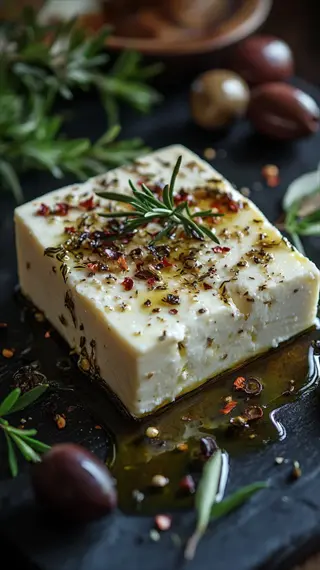
Feta and Olive Tapenade
- This savory spread combines briny Kalamata olives with tangy feta for a Mediterranean-inspired dip. Processed with garlic and lemon juice, it makes a flavorful appetizer.
- Use equal parts pitted olives and feta cheese by weight. A food processor creates a coarse paste that retains some texture.
- Nutritionally, olives provide monounsaturated fats while feta offers calcium. The combination supports heart health through its fatty acid profile.
- Soak olives briefly if overly salty. Drain and pat dry before processing to control sodium content in the final spread.
- Add lemon zest along with juice for brighter flavor. The citrus cuts through the richness and enhances the other ingredients.
- Serve with vegetable crudités for low-carb option. Cucumber slices and endive leaves make sturdy vehicles that complement the spread's bold flavors.
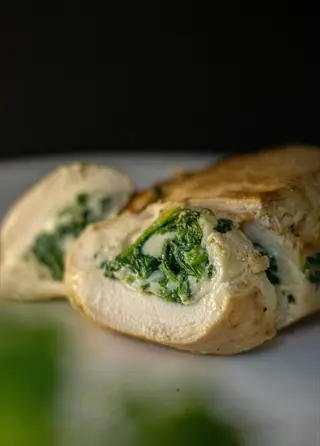
Feta-Stuffed Chicken Breast
- Pockets carved in chicken breasts hold a mixture of feta, spinach, and sun-dried tomatoes. Baking creates juicy protein with a flavorful cheese center.
- Use thick chicken breasts (8-10oz/225-280g each) for best results. Pound to even thickness before stuffing to ensure even cooking.
- The cheese filling adds moisture during baking. Feta's high melting point means it softens without completely liquefying and leaking out.
- Sear chicken before baking to develop flavor. A 2-minute per side sear in olive oil creates a golden crust that seals in juices.
- Insert filling through a side slit rather than top. This placement helps contain the cheese mixture during the cooking process.
- Bake until internal temperature reaches 165°F (74°C). Rest for 5 minutes before slicing to redistribute juices and set the filling.

Feta and Spinach Filo Pie
- Layered filo pastry encases a filling of feta, spinach, and herbs. Baking creates a crispy exterior with a savory, cheese-rich interior.
- Traditional Greek spanakopita uses feta as primary cheese. The sharpness balances earthy spinach and mild ricotta if included.
- Phyllo layers should be brushed with olive oil rather than butter. This creates crispness while keeping the dish suitable for lacto-vegetarians.
- Squeeze spinach thoroughly before mixing. Removing excess water prevents the filling from making pastry soggy during baking.
- Layer 5-6 sheets of phyllo for the base. The bottom should be thicker than the top to support the weight of the filling.
- Bake at 375°F (190°C) until golden brown. Cover edges with foil if browning too quickly to prevent burning while center cooks.
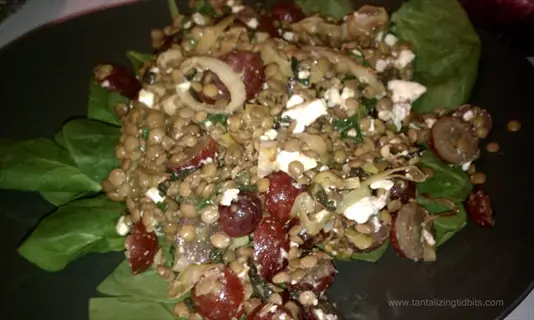
Feta-topped Lentil Salad
- Protein-rich lentils pair with crumbled feta in a hearty salad. Adding vegetables and herbs creates a nutrient-dense meal with Mediterranean flavors.
- Use French green lentils which hold shape better than red varieties. Cook until tender but not mushy (about 20 minutes).
- Feta adds calcium to the iron-rich lentils. The combination enhances nutrient absorption as vitamin C from vegetables aids iron uptake.
- Make a lemon-herb vinaigrette for dressing. The acidity brightens earthy lentils and complements the salty cheese.
- Add feta just before serving. This preserves its texture and prevents it from dissolving into the salad.
- Include colorful vegetables for visual appeal. Cherry tomatoes, diced cucumbers, and red onions add crunch and freshness.
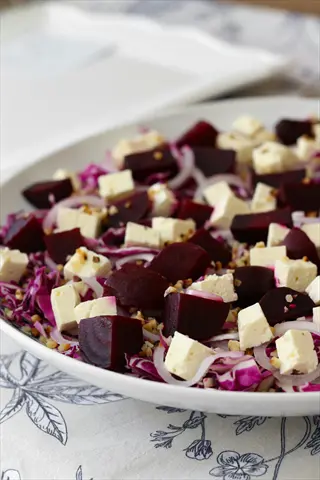
Feta and Beetroot Dip
- Roasted beets blended with feta create a vibrant pink dip. The earthy sweetness of beets contrasts with the salty cheese.
- Roast beets whole to preserve flavor. Wrap in foil and bake at 400°F (200°C) for 45-60 minutes until tender.
- The combination provides antioxidants from beets and probiotics from feta. Use unpasteurized feta for maximum probiotic benefit.
- Blend while beets are still warm. The heat helps emulsify the ingredients into a smooth consistency.
- Add garlic and lemon juice to balance flavors. Raw garlic provides bite that cuts through the sweetness.
- Serve with pita wedges or vegetable sticks. The dip's striking color makes it an attractive addition to appetizer spreads.

Grilled Feta Skewers
- Cubes of feta threaded with vegetables grill quickly for smoky flavor. The cheese develops a crust while staying creamy inside.
- Use firm feta blocks cut into 1-inch (2.5cm) cubes. Soak wooden skewers for 30 minutes to prevent burning.
- Grill over medium-high heat for 2-3 minutes per side. Watch carefully as feta can melt quickly if overheated.
- Pair with vegetables that cook quickly. Cherry tomatoes, zucchini slices, and mushroom caps work well on skewers.
- Brush with herb-infused oil before grilling. Rosemary or thyme oil adds flavor without overpowering the cheese.
- Serve immediately after grilling. The residual heat continues cooking the cheese, so plate quickly for ideal texture.
Storage & Freshness Tips
Keep feta cheese submerged in a brine solution at all times. The salty water bath retains moisture, preventing the cheese from drying out. It was hard learned how I discovered my cheese was crumbly and insipid. Always use an air-tight container to avoid the extraneous odors of the refrigerator from tainting the cheese.
For refrigeration, keep feta between 34°F and 38°F (the coldest part of your refrigerator). Properly brined cheese will last 2-3 months. Freezing is best accomplished by keeping the cheese in its original brine and sealing containers tightly. Frozen feta will keep for about six months, though it will soften slightly when thawed overnight.
Do not encase feta cheese in plastic wrap, as it can trap moisture and lead to the growth of mold. Should the brine become low, temporarily submerge the cheese in fresh milk. Be sure to replace the milk daily to prevent it from souring. Use only clean utensils when handling feta to avoid contamination.
Identify signs of spoilage rapidly. Discard feta that is discolored with pink or orange spots. Discard cheese that has an unpleasant odor but is still within the sour tang. Feel to see whether the texanium is slimy. Any patches of mold mean that the cheese is completely spoiled, even if you scrape them off.
Brine Solution Storage
- Submerge feta completely in brine solution (7% salt water) to maintain moisture and prevent drying. Use an airtight container to prevent odor absorption. Replace brine every week to prevent bacterial growth and maintain freshness.
Refrigeration Guidelines
- Store feta at 34-38°F (1-3°C) in the coldest part of refrigerator. Properly stored feta lasts 2-3 months in brine solution. Always use clean utensils to handle cheese to prevent contamination.
Freezing Technique
- Freeze feta in original brine for up to 6 months. Wrap container in freezer-safe material to prevent freezer burn. Thaw gradually in refrigerator for 12-24 hours before use to preserve texture.
Avoid Plastic Wrap
- Never store feta directly in plastic wrap which promotes moisture loss and mold growth. If brine is unavailable, submerge in fresh milk as a temporary alternative that should be changed daily.
Spoilage Indicators
- Discard feta if you notice pink or orange discoloration, sour smell beyond typical tanginess, or slimy texture. Mold spots indicate spoilage even if removed, as roots penetrate the cheese.
Nutritional Breakdown
Feta cheese has a nutritional advantage over many cheeses. A one-ounce serving of feta cheese contains only 74 calories, while cheddar contains 114 calories, and Parmesan cheese has 111 calories. The fat content is fairly moderate, with 6 grams. Therefore, cheese lovers who are conscious of calories should be able to exercise a little more restraint with feta cheese.
Check the mineral content for each serving. Feta has 14% of your daily calcium needs and 9% phosphorus. Those minerals work in tandem to support strong bones. Additionally, you receive 6% selenium and 5% zinc, which support immune system function and antioxidant protection.
The profile of B vitamins is considerably attractive. Feta contributes 14% of riboflavin, which is essential for energy transfer. It provides 8% of the recommended daily intake of vitamin B12, supporting nerve health. A further 6% vitamin B6 is included in protein metabolism. All these transform feta into a food of function.
Consider the sodium content - 13% of your RDI per ounce, but rinsing can reduce that by almost a third. If you are watching your salt intake, be mindful of portion size. Balance your feta with lower-sodium foods throughout the day.
Calcium & Phosphorus
- Feta provides 14% RDI calcium and 9% RDI phosphorus per ounce. The 2:1 calcium-to-phosphorus ratio supports optimal bone mineralization and density maintenance.
B Vitamins
- Rich in riboflavin (14% RDI) and B12 (8% RDI), feta supports energy metabolism and nervous system function. These water-soluble vitamins aid in converting food to cellular energy.
Selenium & Zinc
- Contains 6% RDI selenium and 5% RDI zinc per serving. These minerals boost immune function and act as antioxidants protecting cells from oxidative damage.
Sodium Content
- Contains 312mg sodium (13% RDI) per ounce. Rinsing before use can reduce sodium by up to 30%. Those monitoring sodium intake should consume in moderation.
Riboflavin (B2)
- With 14% RDI per serving, riboflavin helps convert food into energy and supports cellular function. This B vitamin also maintains healthy skin and vision.
Vitamin B12
- Provides 8% RDI vitamin B12 which is essential for nerve function and red blood cell formation. This vitamin also helps prevent fatigue and supports cognitive health.
Vitamin B6
- Offers 6% RDI vitamin B6 per ounce, which aids protein metabolism and neurotransmitter synthesis. This vitamin supports cognitive development and immune response.
What Makes Feta Unique
PDO protection guarantees that Feta cheese is authentic only if it is produced in certain regions of Greece. This legal designation ensures that traditional techniques are employed in the production of the cheese. Imitation products do not have this certification. You can taste the heritage in each bite, knowing that they follow cheesemaking techniques that have remained unchanged for centuries.
The sheep-goat milk blend is what gives feta its characteristic flavor. Using 70% sheep's milk for its creaminess and 30% goat's milk for its tanginess, you achieve an ideal balance of flavor complexity. Cow milk varieties often taste flat and rubbery without this dynamic notion.
Traditional brining distinguishes feta from other cheeses. While cheddar air-dries and Parmesan is wax-sealed, feta is aged in a salty brine of saltwater. This months-long soak creates its moist crumble and salty punch in ways that air-drying and wax-sealing cannot replicate.
Greek terroir impacts flavor so deeply. Wild thyme and oregano blanketing the hillsides flavor the milk. The Mediterranean sun increases the nutrients in the pasture. Coastal winds affect aging. All these influences combined make genuine feta impossible to reproduce anywhere else.
Protected Designation of Origin (PDO)
- Authentic feta must be produced in specific Greek regions using traditional methods. This EU certification ensures only cheese meeting strict criteria can be labeled 'feta', protecting its cultural heritage and quality standards.
Sheep & Goat Milk Blend
- Genuine feta contains 70% sheep's milk and up to 30% goat's milk. This specific ratio creates its characteristic tangy flavor and creamy-yet-crumbly texture that cow's milk cannot replicate.
Brining Process
- Feta ages in salt brine for at least 2 months, developing its signature salty profile. This immersion method distinguishes it from dry-aged cheeses and contributes to its moist, crumbly consistency.
Terroir Influence
- The flavor reflects Greece's Mediterranean climate and native pastures. Sheep and goats grazing on wild herbs like thyme and oregano impart subtle herbal notes to the milk and final cheese product.
No Additives
- Authentic PDO feta contains just milk, salt, rennet, and cultures. Preservatives, flavor enhancers, or artificial ingredients are prohibited, maintaining its pure, traditional character.
10 Key Benefits of Feta Cheese
Feta cheese promotes bone density through the synergism of calcium and phosphorus. The 2-to-1 ratio of minerals in this cheese facilitates better absorption than that of supplements. For postmenopausal women, repeated servings reduce the incidence of osteoporosis. Each ounce will provide 14% of your daily calcium requirements, which remain essential for the health of your bones and teeth throughout your lifetime.
Its probiotic power gives it a uniquely digestible quality among cheeses. The live cultures Lactobacillus withstand brining to reach the intestine. They reduce inflammation and foods harmful to certain bacteria. Many lactose-intolerant individuals accept feta when other dairy products cause discomfort.
CLA fatty acids in sheep milk affect changes in fat cells, inducing metabolic benefits. These constituents may improve insulin sensitivity. Feta cheese, at 74 calories per ounce, can help you achieve your body weight goals. The protein in feta cheese produces a more lasting feeling of satiety, thereby reducing the likelihood of overeating.
Essential B vitamins convert food into cellular energy efficiently. Riboflavin powers metabolism, while B12 maintains nerve function. Thyroid function gets iodine support. Antioxidants, such as selenium, protect cells throughout the body.
Bone Density Support
- High calcium content (14% RDI per ounce) combined with phosphorus promotes bone mineralization. The 2:1 calcium-to-phosphorus ratio enhances absorption, reducing osteoporosis risk especially in postmenopausal women.
Muscle Preservation
- Quality protein (4g per ounce) provides all essential amino acids. The branched-chain amino acids in feta support muscle repair after exercise and prevent sarcopenia during aging.
Gut Health Enhancement
- Contains probiotic strains like Lactobacillus plantarum that survive stomach acid. These beneficial bacteria inhibit pathogens, reduce inflammation, and may alleviate IBS symptoms.
Metabolic Improvement
- Conjugated linoleic acid (CLA) at 1.9% of fat content modifies fat cell development. This fatty acid composition may help reduce body fat percentage and improve insulin sensitivity.
Essential Vitamin Source
- Rich in B vitamins: Riboflavin (14% RDI) for energy metabolism, B12 (8% RDI) for nerve function, and B6 (6% RDI) for protein metabolism. These support cellular energy production.
Lactose Tolerance
- Brining reduces lactose to <0.5% - lower than most cheeses. Many with mild lactose intolerance can digest feta without discomfort when consumed in 1-2oz servings.
Antioxidant Protection
- Selenium (6% RDI) and zinc (5% RDI) combat oxidative stress. These minerals support glutathione production, protecting cells from free radical damage.
Blood Sugar Regulation
- Protein-calcium synergy enhances insulin function. Regular consumption may lower glycemic response to meals, benefiting those with prediabetes.
Thyroid Support
- Iodine content (3% RDI per ounce) supports thyroid hormone production. Adequate iodine ensures proper metabolic rate and temperature regulation.
Weight Management
- At 74 calories per ounce, it's significantly lower than cheddar (114 calories) and parmesan (111 calories). The protein-fat combination promotes satiety, reducing overall calorie intake.
5 Common Myths
Like other dairy products, traditional feta cheese has considerable quantities of lactose.
Real feta cheese has only about 0.5% lactose because of the fermentation process and pickling, which is considerably lower than for most cheeses. Persons who are lactose intolerant may sufficiently tolerate 1-2 ounces servings without real discomfort, since the whey drainage and bacterial eating from the milk lessens the lactose content considerably during the process of manufacturing feta cheese.
Unpasteurized feta is safer, healthier, and more natural than pasteurized feta.
There is a greater risk of listeria in unpasteurized feta, especially in pregnant women and immunocompromised individuals. By eliminating pathogenic bacteria, pasteurization renders a product safe while preserving amino acids and other nutrients. The more carefully controlled pasteurization of PDO certified feta ensures safety and does not override traditional DAC qualities and health benefits.
Feta cheese causes weight gain due to its fat content.
Feta contains 74 calories per ounce, fewer than in most cheeses (cheddar contains 114). In combination with the protein fat it contains, it gives a sense of fullness to the eater, preventing overeating and thus reducing the caloric intake. Studies show that moderation of feta in Mediterranean diets is correlated with a healthier body weight than in those who exclude dairy products from their diets.
Any white cheese in brine can be lawfully sold as Feta cheese.
The real Feta requires protection by the designation and law of Protected Designation of Origin (PDO), therefore it must be made in certain specified regions in Greece, and be made from a mixture of sheep's milk (70%) and goat's (30%). Cow's milk is used in the non-Greek types called 'feta', and these varieties are without the flavour, texture and healthful ingredients of the real PDO cheese.
Feta lacks probiotics because it's stored in brine solution.
Live cultures like Lactobacillus plantarum survive the brining process and remain active in feta. Research confirms these probiotics inhibit pathogens such as E. coli and Salmonella while reducing inflammation in the gut. The brine environment actually preserves these beneficial bacteria throughout the cheese's shelf life.
Conclusion
Feta shines as a nutritional ally and culinary star. Also, a unique combination of sheep and goat milk produces flavors no other cheese has. The minerals in Feta are well-known to support bone health, and the probiotics in Feta also aid digestion. Feta is unique in its dual threat of providing nutrition and enhancing taste!
With Mediterranean eating patterns, feta takes center stage. It gives protein without many calories. It provides nutrients lacking in plant foods. My Greek friends taught me how to complete balanced meals. This cheese is the foundation of healthy, traditional diets worldwide.
Enjoy feta in moderation, delighting in its sodium. A serving of 1-2 ounces is recommended daily, when combined with vegetables, for maximum impact. Make this cheese a nice addition to your meals without letting it take over completely. Your body, palate, and taste buds will thank you for the balance.
External Sources
Frequently Asked Questions
Is feta cheese healthy?
Feta cheese offers significant health benefits as a nutritious dairy option. It provides high-quality protein, essential calcium for bones, and beneficial probiotics for gut health. With lower calories than most cheeses and compounds like conjugated linoleic acid, feta supports overall wellness when consumed moderately.
What makes feta cheese special?
Authentic feta stands out due to its Protected Designation of Origin requirements and traditional production methods. Key distinctive features include:
- Made with specific sheep/goat milk blend (70/30 ratio)
- Aged in brine for at least two months
- Contains live probiotic cultures
- Develops unique tangy flavor from Mediterranean terroir
- Lower lactose content than most cheeses
Can you eat feta cheese daily?
Moderate daily consumption of feta is generally safe for most people. The recommended portion is 1-2 ounces due to its sodium content. Regular intake provides calcium and protein benefits, but those with hypertension or salt sensitivity should monitor their quantities carefully.
How does feta benefit gut health?
Feta contains active probiotic strains like Lactobacillus plantarum that survive digestion. These beneficial microorganisms support gut health through multiple mechanisms:
- Inhibit growth of harmful pathogens
- Reduce intestinal inflammation
- Improve nutrient absorption
- May alleviate IBS symptoms
- Enhance overall digestive function
Why is feta stored in liquid?
Feta remains submerged in brine solution for crucial preservation purposes. This traditional storage method maintains moisture, prevents drying, and extends freshness. The salty environment also inhibits bacterial growth while allowing the cheese to develop its characteristic flavor profile over time.
Is feta better than other cheeses?
Compared to common cheeses, feta offers distinct nutritional advantages. Consider these favorable attributes:
- Lower calorie content than aged cheeses
- Higher probiotic activity than many varieties
- More digestible for lactose-sensitive individuals
- Rich in bone-supporting minerals
- Contains anti-inflammatory fatty acids
How long does feta stay fresh?
Properly stored feta maintains optimal quality for extended periods. When kept submerged in brine at refrigerator temperatures between 34-38°F, it remains fresh for 2-3 months. Always use clean utensils when handling to prevent contamination and spoilage.
Can diabetics include feta in their diet?
Feta can be suitable for diabetics when consumed in controlled portions. Its protein content helps regulate blood sugar responses to meals. The low carbohydrate profile minimizes glycemic impact, making it a better choice than sweeter dairy options.
What are creative ways to use feta?
Beyond salads, feta's versatility shines in numerous culinary applications. Excellent preparation methods include:
- Baked with tomatoes and herbs as warm dip
- Crumbled in vegetable omelets
- Stuffed in chicken or bell peppers
- Blended into beetroot spreads
- Grilled on skewers with Mediterranean vegetables
Does feta support bone health?
Feta provides significant bone health benefits through its mineral composition. The 2:1 calcium-to-phosphorus ratio enhances mineral absorption and bone density. Regular moderate consumption helps prevent osteoporosis, particularly benefiting postmenopausal women and aging populations.