10 Key Benefits Massage Therapy Offers

Written by
Natalie Hamilton
Reviewed by
Prof. Benjamin Murphy, Ph.D.Massage therapy benefits encompass physiological effects of stress relief and modulating cortisol levels.
Deep tissue techniques reduce chronic muscle tension without the need for severe levels of discomfort.
Consistent engagement in massage therapy greatly improves sleep quality through enhanced melatonin levels and consistent metabolites in your system.
Massage encourages healthy immune function by supporting the efficacy of lymphatic circulation.
Massage promotes an athletes overall recovery status by accelerating the removal of metabolic waste.
Holistic well-being recognizes the interdependence of mind and body through personalized therapeutic care.
Article Navigation
To grasp the benefits of massage therapy offers, one should start with the definition. Massage therapy is the manual manipulation of muscles, tendons, and ligaments. It employs a range of techniques, including kneading and pressure, to alleviate tension. It has evolved from a lavish spa indulgence to a mainstream health benefit.
You will find ten research-supported benefits referenced in this article. These benefits are wellness improvements and symptom relief. Massage helps manage stress and improve mobility, but there is no medical benefit claim. We will demonstrate how it works in conjunction with your body's natural healing process.
Self-Massage Techniques
Professional massage gives powerful therapeutic benefits, and self-massage gives you short-term relief techniques for your immediate need. Between appointments, you can relieve your daily aches and pains with basic equipment. A tennis ball against a wall can alleviate shoulder pain. These types of techniques are supportive but not a substitute for professional care in cases of injury.
Consider therapeutic self-care techniques that require little to no equipment, such as foam rollers. After workouts, slowly roll your calves to release tight muscles. For headaches, use your thumbs to make circles on your temples. Never apply pressure directly to the spine or joints, as this can potentially cause injury.
Safeguard sensitive areas by avoiding pressure near bony regions and areas of inflammation, and stop if sharp pain occurs during self-massage. Seek professional guidance for pain that persists, and do not push through intense pain. These safety precautions protect you through a home routine that promotes wellness without unnecessary danger.
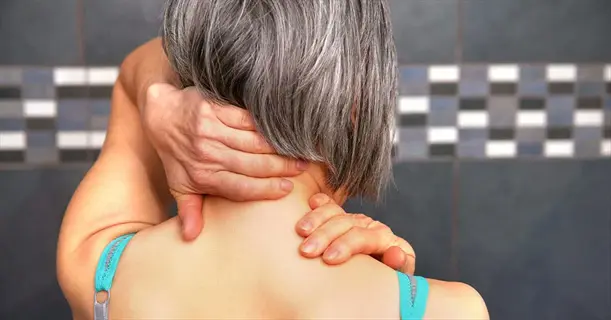
Neck and Shoulder Release
- Apply gentle sustained pressure along trapezius muscles using fingertips in slow circular motions for thirty-second intervals per tension point
- Slowly tilt head sideways while maintaining firm pressure to effectively stretch tense muscles without causing strain or discomfort
- Perform technique while seated with upright posture focusing specifically on areas between shoulder blades and skull base
- Use tennis ball pressed against wall surface to achieve deeper pressure targeting stubborn knots near scapula bones carefully
- Always avoid direct pressure on delicate spine structures or carotid arteries while maintaining steady breathing patterns throughout
- Complete entire sequence within five minutes providing immediate tension relief especially beneficial after computer work sessions
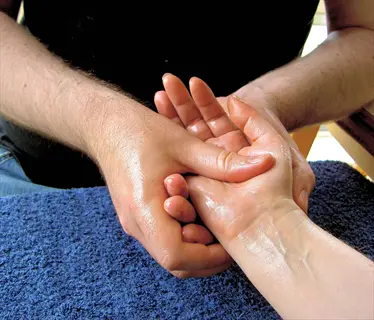
Hand and Wrist Relief
- Knead palm muscles systematically using opposite thumb in small circular motions moving methodically toward each finger individually
- Gently pull each finger while rotating clockwise then counterclockwise to significantly improve joint mobility and flexibility
- Focus concentrated pressure on specific points near thumb base and wrist creases using moderate sustained force
- Always stretch fingers backward gently after massage completion to increase healthy blood flow circulation patterns
- Use golf ball rolled firmly on table surface for deep tissue stimulation without straining delicate muscles
- Regular practice reduces symptoms associated with repetitive strain injuries from typing or manual labor
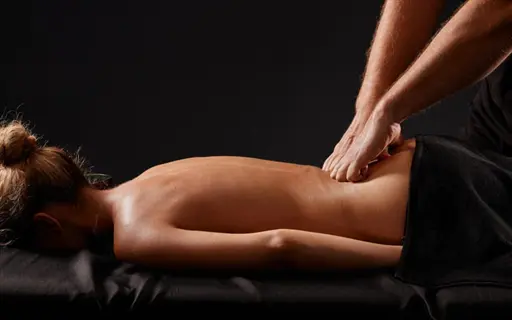
Lower Back Soothing
- Lie comfortably on firm surface with knees bent placing tennis balls strategically near sacrum region carefully
- Shift body weight gradually onto balls holding positions precisely where tension concentrates most intensely
- Use knuckles deliberately along iliac crest while breathing deeply to release persistent lower back tension
- Avoid absolutely all direct pressure on spinal column focusing exclusively on muscular areas beside vertebrae
- Combine technique with gentle pelvic tilts to enhance mobility and stretch connective tissues effectively
- Maximum relief session lasts eight minutes preventing excessive pressure application causing potential bruising
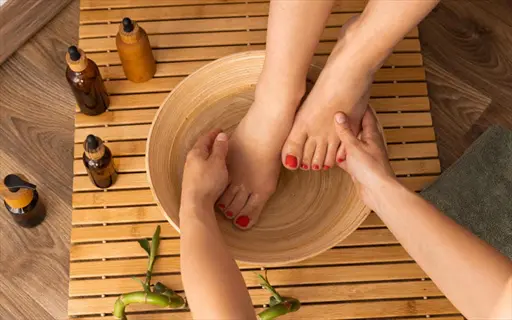
Calf and Foot Roll
- Sit comfortably using foam roller positioned beneath calves moving legs slowly forward then backward rhythmically
- Apply moderate consistent pressure along entire gastrocnemius muscle focusing especially on tender trigger points
- Use lacrosse ball placed under foot arch applying controlled body weight while rolling slowly
- Target specifically heel and ball areas with concentrated attention to plantar fascia tissue relief
- Complete sequence with thorough toe stretches pulling each digit gently toward shin direction carefully
- Method significantly improves circulation reducing swelling effectively after prolonged standing or walking activities
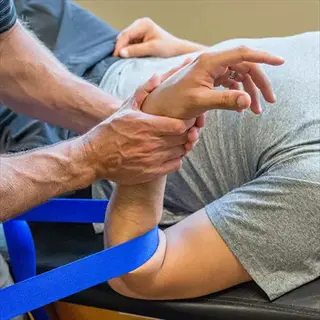
Forearm and Elbow Ease
- Place arm securely on table surface using opposite hand to knead from wrist toward elbow methodically
- Apply deep friction deliberately across muscle fibers rather than along length direction strategically
- Use table edge advantageously to apply therapeutic pressure while rotating forearm slowly clockwise
- Focus specifically on extensor muscles near lateral epicondyle providing tennis elbow symptom relief
- Perform technique immediately after strenuous activities causing strain holding pressure points fifteen seconds minimum
- Regular disciplined application prevents chronic tendonitis development from repetitive motion tasks
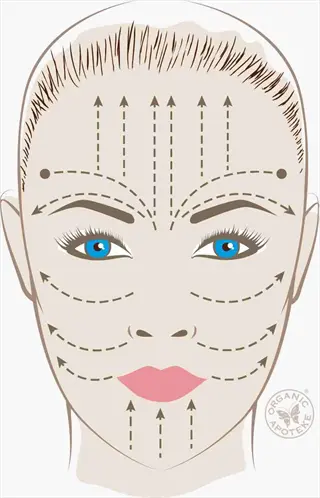
Face and Scalp Relaxation
- Apply light circular motions systematically at temples moving fingers gradually toward hairline slowly
- Knead jaw muscles gently near temporomandibular joints using precise fingertip pressure carefully
- Stimulate scalp tissues thoroughly by lifting sections of hair gently at roots repeatedly
- Use knuckles deliberately along forehead smoothing toward ears releasing accumulated tension points
- Conclude session with gentle pressure on closed eyelids lasting twenty continuous seconds minimum
- Complete sequence reduces headache frequency significantly while promoting facial muscle relaxation effectively
Cost and Insurance Insights
Professional massage therapy prices vary drastically across regions. For example, New York averages approximately $120 a session, while a Midwest city averages closer to $75. Rural areas generally have lower prices, around $60. These regional differences are indicative of the operational costs and experience levels of local massage therapists.
Understanding insurance reimbursement requires guidelines to follow. Most plans will only cover massage therapy as indicated on a doctor's prescription for conditions that have been diagnosed. You will be required to submit your session receipts along with the corresponding medical necessity codes. Some policies restrict the amount paid for coverage each year, so be sure to ask about these limits to prevent any questions later.
FSA and HSA accounts often cover the use of massage therapy with adequate documentation. To qualify for the treatment, you need to obtain a Letter of Medical Necessity from your doctor. Be sure to maintain a detailed invoice that documents the treatment corresponding to the diagnosis. These accounts are a great way to manage therapy costs using pre-tax dollars.
Verification Process
- Contact insurance provider before scheduling to confirm massage therapy benefits coverage requirements
- Obtain specific billing codes like CPT 97124 from therapist for claim submission
- Request pre-authorization letter from physician detailing medical necessity of treatment
Documentation Requirements
- Secure detailed prescription from doctor specifying diagnosis and session frequency needed
- Maintain treatment records showing progress toward therapeutic goals consistently
- Submit superbills with therapist license number and tax ID promptly after sessions
Cost-Saving Options
- Use Flexible Spending Accounts for pre-tax payment of eligible therapy expenses
- Ask therapists about sliding scale fees based on income verification documents
- Purchase package deals offering discounted rates for multiple prepaid sessions
Alternative Funding
- Investigate workers' compensation coverage for job-related musculoskeletal issues
- Explore auto insurance PIP coverage for accident-related injury rehabilitation
- Check VA benefits for veterans needing pain management treatment options
Therapist Qualifications
- Confirm therapist holds active state license and specialized certifications required
- Verify participation in insurance networks like Blue Cross or UnitedHealthcare
- Ensure proper credentialing for medical massage billing compliance standards
Choosing a Qualified Therapist
Before booking, always confirm that your therapist is state-licensed. You should verify associations like AMTA or NCBTMB certifications for quality assurance. These names represent the therapist's professional offerings and ethical performance. A licensed therapist will ensure these things; therefore, you are not wasting your time, and that entire treatment session feels effective.
Search for a professional with a therapeutic background suited to your needs. A therapist specializing in pregnancy massage or sports injuries can offer more targeted help. Ensure that you check the number of hours of advanced certification your therapist has in a particular modality and their specialization. This will enable them to manage better any health issues you may have.
Observe communication styles in consultation. Realize how they explain techniques in plain language. Choose therapists who take into account your health history. Comfort with their practice influences the effectiveness of the session. Follow your instincts about your personal rapport with them in the initial meetings.
Communication Style
- Assess therapist's ability to explain techniques clearly using non-medical terminology
- Evaluate listening skills during description of your health history and concerns
- Confirm willingness to adjust pressure and methods based on ongoing feedback
Treatment Planning
- Request specific session plan addressing your primary therapeutic goals
- Verify approach to progressive assessment and adjustment of techniques
- Confirm documentation process for tracking symptom improvements
Facility Standards
- Inspect cleanliness of treatment room and linens meeting hygiene protocols
- Evaluate equipment quality including table comfort and bolster support
- Check accessibility features and privacy considerations
Specialized Experience
- Inquire about case history with your specific condition or population group
- Request references from clients with similar therapeutic needs
- Verify advanced training hours in relevant modalities
Ethical Practices
- Confirm adherence to professional boundaries and draping standards
- Verify transparent cancellation and payment policies upfront
- Ensure confidentiality protocols for medical information handling
Types of Massage Therapy
Swedish massage utilizes relaxation-style techniques using lighter pressure on the outer muscles. It increases circulation through light strokes that are excellent for stress relief and relaxation. This method is ideal for individuals new to bodywork or those seeking overall wellness. It is very calming, without being too deep or too intense.
Deep tissue massage utilizes strong pressure into fascial layers for therapeutic results. It helps break chronic muscle adhesions and assists those suffering from back pain. You will likely experience dedicated work in certain trouble areas. This modality is for the repair of structures.
Sport massage manipulates pressure according to the athlete's needs. The therapy incorporates stretching and compression techniques to enhance recovery. Typical target areas include the muscles most engaged by the athlete's training. Active individuals benefit the most from this type of massage due to its dynamic nature.
Prenatal massage utilizes specialized positioning and gentle pressure. It addresses pregnancy discomfort, such as sciatic nerve pressure. Therapists avoid abdominal areas to ensure safety. This technique is ideal for support during the second and third trimesters.
Swedish Massage
- Physiological effects: Increases circulation through vasodilation and reduces cortisol levels
- Pressure level: Light to medium pressure targeting superficial muscle layers
- Technique: Uses gliding effleurage and kneading petrissage strokes
- Ideal for: General stress reduction and improving range of motion
- Tissue depth: Focuses on topmost muscle layers with rhythmic movements
Deep Tissue
- Physiological effects: Breaks down scar tissue and releases chronic muscle adhesions
- Pressure level: Firm to deep pressure reaching fascial layers
- Technique: Applies slow friction strokes and sustained pressure
- Ideal for: Chronic back pain and postural issues
- Tissue depth: Targets deep connective tissues and muscle fibers
Sports Massage
- Physiological effects: Enhances muscle elasticity and reduces delayed onset soreness
- Pressure level: Variable pressure based on athletic needs
- Technique: Combines compression and assisted stretching
- Ideal for: Pre-event preparation and post-activity recovery
- Tissue depth: Addresses sport-specific muscle groups
Shiatsu
- Physiological effects: Stimulates meridian points to balance chi energy flow
- Pressure level: Moderate pressure using finger and palm techniques
- Technique: Applies sequences of pressure without oils or creams
- Ideal for: Stress relief and energy blockages
- Tissue depth: Works along energy pathways rather than muscle layers
Pregnancy Massage
- Physiological effects: Reduces edema and sciatic nerve pressure
- Pressure level: Light pressure avoiding abdominal area
- Technique: Uses side-lying positioning with specialized bolsters
- Ideal for: Second and third trimester discomfort relief
- Tissue depth: Focuses on superficial tension in back and legs
Hot Stone Therapy
- Physiological effects: Increases vasodilation and blood flow to joints
- Pressure level: Medium pressure enhanced by thermotherapy
- Technique: Places heated basalt stones on acupressure points
- Ideal for: Deep muscle relaxation and circulation improvement
- Tissue depth: Penetrates deeper muscle layers through heat conduction
How Massage Therapy Works
Massage elicits physiological effects via decreased cortisol production in your body. This occurs via signaling to your hypothalamic-pituitary-adrenal axis. It also elevates serotonin & dopamine levels, which reduce stress and naturally support your mood.
The gate control theory helps us understand how massage relieves pain. The pressure used during massage stimulates your pressure receptors in skin and muscles, activating larger nerve fibers which inhibit pain signals that would travel to your brain. Your pain decreases-even without medicine!
Gentle, rhythmic stroking stimulates your parasympathetic nervous system through the relaxation response, which slows your heart rate and breathing down. This engages your body out of its fight-or-flight state and into a rest-and-digest state. You feel deeply calm as this gradually unfolds in your session and remains through the rest of the session.
These complementary mechanisms create lasting effects beyond the massage table. Circulation improves as blood vessels dilate. Muscle tissues receive more oxygen for biological repair. This holistic approach works hand in hand with your body's natural wellness processes.
Stress Hormone Regulation
- Massage reduces cortisol production by signaling safety to hypothalamic-pituitary-adrenal axis
- Increased serotonin and dopamine counteracts stress hormone effects improving mood
- Cortisol levels typically decrease significantly during standard massage sessions
Pain Gate Control
- Pressure stimulates mechanoreceptors activating larger nerve fibers that block pain signals
- This neurological gating mechanism inhibits nociceptive transmission to the brain
- Moderate pressure effectively interrupts pain pathways for chronic conditions
Parasympathetic Activation
- Slow rhythmic strokes trigger relaxation response through vagus nerve stimulation
- Autonomic shift lowers heart rate and blood pressure while improving digestion
- Immune function enhancement occurs through reduced sympathetic nervous activity
Circulatory Enhancement
- Manual pressure increases venous return and lymphatic drainage efficiency
- Metabolic waste removal like lactic acid accelerates from muscle tissues
- Oxygen-rich blood delivery to tissues supports natural healing processes
Myofascial Release
- Sustained pressure breaks collagen cross-links in connective tissue networks
- Fascial restrictions release improves range of motion and joint flexibility
- Trigger point deactivation reduces referred pain patterns in distant areas
Endorphin Release
- Pressure stimulates pituitary gland production of natural opioid compounds
- Endogenous analgesia creates pain threshold elevation comparable to medication
- Post-massage euphoria results from elevated beta-endorphin concentrations
10 Key Benefits of Massage Therapy
Massage provides therapeutic stress relief by decreasing cortisol levels while increasing serotonin. This change in biochemistry activates the parasympathetic nervous system, often referred to as your "rest and repair" network, and this is an effortless process. You feel physically relaxed and mentally sharp after your massage appointments. Regular sessions help prevent overstimulation and burnout from your busy life.
Chronic pain relief is realized through evidence-based neurological pathways. Pressure activates a pathway that inhibits pain signals through gate control theory. Targeted techniques release muscle knots and fascial restrictions. This creates non-pharmaceutical interventions for back pain or arthritis.
Your immune system is boosted through improved lymphatic circulation. When you receive massages, it increases the activity of your white blood cells to assist your body in fighting off pathogens. This is a beneficial holistic wellness factor to support during cold and flu seasons. Regular monthly maintenance will help support your body's natural defenses.
Athletes benefit from the removal of metabolic waste as it aids in their recovery. Compression techniques help facilitate the removal of lactic acid from the muscles. It has been established that this can help to alleviate soreness after a severe workout. A sports massage helps active individuals perform at their optimal level.
Stress Reduction
- Mechanism: Reduces cortisol production while increasing serotonin and dopamine levels
- Effect: Activates parasympathetic nervous system promoting relaxation
- Application: Regular sessions help manage daily stress and prevent burnout
Muscle Tension Relief
- Mechanism: Releases myofascial trigger points and improves blood flow
- Effect: Enhances flexibility and reduces stiffness in tight muscle groups
- Application: Targets areas prone to tension from repetitive activities
Improved Sleep Quality
- Mechanism: Regulates melatonin production while lowering stress hormones
- Effect: Supports deeper and more restorative sleep patterns
- Application: Evening sessions promote natural sleep onset for better rest
Anxiety and Depression Relief
- Mechanism: Elevates serotonin levels while lowering stress hormones
- Effect: Creates mood improvement comparable to mild antidepressants
- Application: Complements cognitive behavioral therapy for GAD
Enhanced Athletic Recovery
- Mechanism: Flushes lactic acid reducing delayed onset muscle soreness
- Effect: Decreases recovery time between intense workouts by 24-48 hours
- Application: Post-game sessions for professional athletes
Chronic Pain Management
- Mechanism: Activates neurological pathways that modulate pain signals
- Effect: Provides relief for persistent musculoskeletal discomfort
- Application: Supports comfort for conditions involving ongoing discomfort
Immune System Boost
- Mechanism: Increases white blood cell count and natural killer cell activity
- Effect: Enhances pathogen defense capability for 3-5 days post-session
- Application: Monthly maintenance during cold/flu season
Blood Pressure Regulation
- Mechanism: Relaxes arterial walls improving endothelial function
- Effect: Lowers systolic pressure by 10-15 mmHg temporarily
- Application: Complements hypertension medication regimens
Increased Flexibility
- Mechanism: Releases fascial restrictions in connective tissues
- Effect: Improves joint mobility and range of motion capabilities
- Application: Preparation before physical activities requiring flexibility
Holistic Well-being
- Mechanism: Synchronizes nervous system through somatosensory integration
- Effect: Promotes mind-body connection and vitality awareness
- Application: Regular self-care practice for balanced lifestyle maintenance
Anxiety and Depression Support
- Mechanism: Elevates mood-regulating neurotransmitters in the brain
- Effect: Creates calming effect that complements emotional wellness
- Application: Integrates with holistic approaches for mood management
Athletic Recovery Enhancement
- Mechanism: Promotes metabolic waste removal from muscle tissues
- Effect: Reduces muscle soreness and supports faster recuperation
- Application: Post-activity sessions for workout recovery
Immune System Support
- Mechanism: Stimulates lymphatic circulation and white blood cell activity
- Effect: Strengthens natural defense mechanisms against pathogens
- Application: Maintenance sessions during seasonal wellness challenges
Circulatory Health
- Mechanism: Relaxes vascular tissues improving blood flow efficiency
- Effect: Supports healthy cardiovascular function and oxygen delivery
- Application: Complements lifestyle approaches for circulatory wellness
5 Common Myths
After treatment sessions, sometimes referred to as "massage therapy," there may be the release of toxins that can cause flu-like symptoms.
The idea of toxins being released and creating malaise post-massage is physiologically unsubstantiated - effects are due to temporary inflammation associated with muscle repair, rather than toxins being released. While massage does stimulate circulation, which may create minor shifts in the metabolic byproducts, there is no systemic effect, as the kidneys and the liver process the byproducts. To help minimize any muscle discomfort, stay hydrated. Generally, effects can be minimized with proper hydration and will be resolved in not more than 24 hours and without medical assistance.
In order for deep tissue massage to successfully treat chronic muscular problems, there needs to be some level of pain.
Successful treatment does not require an individual to endure a lot of pain. When someone is in discomfort as a result of deep tissue massage, it produces protective muscle tension, thereby negating the work that is going into healing that tissue. A skilled practitioner will gradually apply pressure, increasing as needed, while maintaining that pressure under the threshold of discomfort, allowing the practitioner to release the fascial restrictions without tissue damage. Moderate pressure can produce the same myofascial release through neurological pathways without causing bruising or microtrauma that unnecessarily prolong healing.
Massage therapists can diagnose medical conditions through muscle tension patterns they discover.
While therapists identify musculoskeletal irregularities, scope-of-practice laws prohibit diagnosing medical conditions without proper clinical evaluation. Palpatory findings indicate areas needing attention but cannot differentiate between referred pain patterns and underlying pathologies requiring imaging or lab tests. Ethical practitioners refer clients to physicians for abnormal symptoms like persistent swelling or neurological deficits beyond typical muscular discomfort.
Massage therapy is not recommended for pregnant women during their first trimester, regardless of massage technique.
Massage during the first trimester is safe as long as prenatal certified massage practitioners use proper position and modification of pressures. There are specific massage techniques that relieve pregnancy related tensions, like addressing lower back pain and nausea, without massaging over the abdomen. Research of massage shows that relaxing the expectant mother effectively decreases the stress hormone level in her blood, if applied properly, but it is still advisable to discuss with the obstetrician for mothers at risk in their pregnancy.
Only elite athletes, who train multiple times per day, benefit from sports massage.
Therapeutaic techniques such as compression and assisted stretching can be beneficial regardless of fitness level in terms of improving circulation and overall range of motion. Weekend warriors benefit from reduction in delayed-on-set soreness from metabolic waste being removed, while sedentary individuals gain flexibility and postural alignment. People at all fitness levels can obtain consistent injury prevention and maintenance benefits from regular sessions to ensure muscle elasticity and joint mobility stay within optimal levels to help assist with everyday activities.
Conclusion
Massage therapy enhances holistic wellness through custom approaches that suit your needs. Your individual health goals will determine the techniques and the amount of pressure used. This ensures you are receiving the most appropriate amount during each session. Working with a therapist formulates an actual therapeutic partnership.
To create a positive therapeutic experience, incorporate massage into your lifestyle by scheduling regular appointments. Begin with two-week appointments for newer issues, then adjust the frequency that works for you. In the meantime, incorporate hydration and gentle movement into your routine; this will help you achieve lasting results.
Engage in this wellness journey by selecting referred, certified therapists that you trust. Be candid and clear about your pressure point preference and the one-on-one progress. Pay attention to any changes in your mobility and stress levels. Working together in this manner steadily builds sustainable mind-body balance.
External Sources
Frequently Asked Questions
What health improvements does massage therapy provide?
Massage therapy offers multiple health improvements including stress hormone reduction, muscle tension relief, and improved sleep patterns. Additional benefits include enhanced immune function, better circulation, pain management support, and increased joint flexibility through physiological mechanisms.
How frequently should someone receive massages?
Optimal frequency depends on individual health goals and conditions. For therapeutic purposes, weekly sessions may be initially recommended. For maintenance, biweekly or monthly appointments typically suffice. Consult a certified therapist to develop a personalized schedule matching your wellness objectives.
Which massage technique is most effective?
Effectiveness varies based on specific needs:
- Swedish massage for relaxation and stress relief
- Deep tissue for chronic muscle tension
- Sports massage for athletic recovery
- Medical massage for targeted pain management
- Choose based on certified therapist consultation
Why is hydration important after massage sessions?
Hydration supports the body's natural processes activated during massage. Water intake helps flush metabolic byproducts redistributed through improved circulation, reduces potential soreness, and maintains tissue elasticity. Proper hydration also enhances lymphatic drainage efficiency and overall recovery benefits.
What happens neurologically during massage therapy?
Massage triggers neurological responses including pain gate activation that blocks discomfort signals. It stimulates parasympathetic nervous system dominance, reducing stress hormones while increasing serotonin. Neuromuscular pathways reset muscle tension patterns, creating lasting relaxation and pain modulation effects.
Can massage therapy address chronic back pain?
Yes, therapeutic massage effectively manages chronic back pain through multiple mechanisms:
- Myofascial release to reduce connective tissue restrictions
- Trigger point deactivation in affected muscles
- Improved blood flow to damaged areas
- Neurological pain pathway modulation
- Combined with professional medical guidance
What precautions should massage clients observe?
Clients should avoid heavy meals immediately before sessions and communicate health changes to therapists. Post-massage, refrain from strenuous exercise for several hours. Always disclose medical conditions and injuries to ensure appropriate technique modifications and safety protocols.
How do therapists address muscle knots?
Therapists use specialized techniques for muscle knots:
- Sustained pressure on trigger points
- Cross-fiber friction to release adhesions
- Myofascial release for connective tissues
- Heat application to increase blood flow
- Gradual pressure within tolerance thresholds
What indicates quality in massage therapists?
Quality therapists hold current state licenses and relevant certifications. They conduct thorough consultations, customize techniques to individual needs, maintain professional boundaries, and operate in hygienic environments. Continuous education and clear communication skills further demonstrate professional standards.
Are there circumstances when massage isn't recommended?
Massage requires caution or avoidance with certain conditions including contagious skin infections, acute injuries, high-risk pregnancies, or severe osteoporosis. Always consult healthcare providers before sessions if undergoing cancer treatment or managing cardiovascular issues requiring medical supervision.