10 Natural Energy Boosters That Work

Written by
Stella Nilsson
Reviewed by
Prof. Benjamin Murphy, Ph.D.Hydration is foundational among natural energy boosters for cellular function
Complex carbohydrates provide sustained energy without sugar crashes
Movement breaks every hour prevent energy-draining sedentary stagnation
Quality sleep between 10PM-2AM maximizes cellular restoration
Protein-rich breakfasts stabilize blood sugar for morning vitality
Habit stacking creates compounding energy gains through consistency
Article Navigation
Natural sources of energy can provide long-term energy without the roller coaster effect of a quick fix, such as caffeine or sugar. That afternoon coffee gives you a burst of energy, but it leaves you feeling worse later on. Many of my clients have struggled with this cycle for years and found better solutions.
Low energy is draining your productivity and affecting your mood and how you interact with others - typically more than you realize. When you feel perpetually fatigued, even the simplest tasks become challenging due to an energy deficit. Real strategies that fit different lives and ages. These methods optimize your energy, regardless of whether you are a busy parent or an active retiree. You are in the right place!
All advice in this section is based on scientific fact, not intricate theories. There is no medical terminology involved, just simple, actionable steps. Start with tiny changes that create lasting energy. Remember, consistency is often more effective than intensity for developing sustainable habits.
Hydration Essentials
Staying hydrated is critical for natural energy. Women need to drink 11 cups (2.7L) every day, while men need to drink 15 cups (3.7L). Keep a reusable bottle to have a visual reminder. I keep track of mine by refilling a labeled bottle three times before I eat dinner.
To gauge your level of hydration, monitor your urine color. Pale yellow indicates ideal hydration. Dark amber indicates you are dehydrated. Dehydration can cause a sudden drop in energy levels, resulting from the blood becoming thicker and requiring the heart to work harder. When you don't drink enough water, you become lethargic - this feeling can set in as soon as a few hours later.
Enhance the appeal of your water with natural flavors. Try cucumber-mint for a refreshing taste, lemon-ginger for a kick, or berry-basil for a sweet finish. These combinations make hydration fun and don't add sugar. I even carry an infusion bottle to meetings with clients. It's a simple daily energy habit I encourage.
Recognize that dehydration often resembles fatigue. Often, headaches resulting from a dry mouth and lack of focus are caused by dehydration, not fatigue. Assess hydration first before considering complicated answers. Consistent hydration will stabilize your energy production systems.
Morning Routine
- Drink 16oz (473ml) water immediately after waking to replenish overnight fluid loss
- Add lemon slice for electrolyte balance and improved digestion
Pre-Meal Hydration
- Consume 8oz (237ml) water 30 minutes before meals to aid nutrient absorption
- Prevents mistaking thirst for hunger signals
Activity Hydration
- Drink 4-6oz (120-180ml) every 15 minutes during exercise
- Add pinch of sea salt to water for intense workouts over 60 minutes
Electrolyte Management
- Include potassium-rich foods like bananas or coconut water daily
- Magnesium from nuts/seeds supports cellular hydration balance
Evening Hydration
- Consume final 8oz (237ml) 60 minutes before bedtime
- Chamomile or herbal teas provide hydration without disruption

Cucumber
- Water content: With an impressive 96% water composition, cucumbers rank as the most hydrating solid food available for daily consumption
- Electrolytes: Significant potassium and magnesium content helps maintain proper cellular fluid balance throughout your entire body system
- Preparation tip: Combine thin cucumber slices with fresh mint leaves in water for a refreshing infused hydration beverage alternative
- Nutrition fact: Contains silica which strengthens connective tissues while simultaneously improving overall hydration retention capabilities
- Serving suggestion: Add thin cucumber rounds to salads or sandwiches for an extra crunchy hydration boost during meals
- Storage tip: Keep cucumbers refrigerated in perforated plastic bags to maintain maximum water retention and freshness for hydration
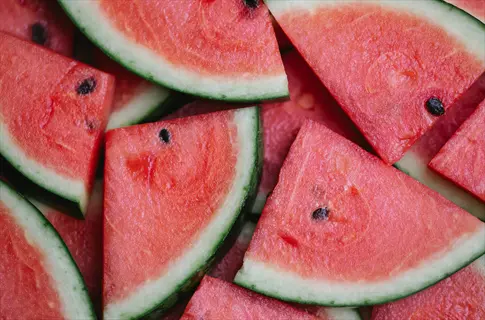
Watermelon
- Hydration ratio: At 92% water content with natural sugars, watermelon provides both immediate and sustained energy through hydration
- Key nutrients: Lycopene antioxidant and vitamin C work together to support cellular hydration and tissue repair functions effectively
- Preparation method: Freeze watermelon cubes for cooling summer snacks that deliver gradual hydration throughout the daytime hours
- Nutrition fact: Contains citrulline amino acid that improves blood flow circulation and enhances hydration delivery to muscles
- Serving suggestion: Blend watermelon chunks with fresh lime juice and mint for electrolyte-rich beverages that maximize hydration
- Selection tip: Choose symmetrical watermelons with creamy yellow ground spots indicating full ripeness and peak hydration potential

Celery
- Sodium balance: Natural sodium content helps regulate healthy fluid retention preventing excessive water loss from your body cells
- Fiber content: High insoluble fiber supports gradual water release during digestive processing for sustained hydration maintenance
- Pairing idea: Combine celery stalks with almond butter for a balanced snack offering both protein and hydration simultaneously
- Nutrition fact: Contains apigenin flavonoid that reduces inflammation while improving cellular hydration absorption mechanisms significantly
- Preparation tip: Chop celery finely for easy incorporation into tuna or chicken salad recipes adding hydration crunch
- Storage method: Stand celery stalks upright in water containers to maintain crispness and optimal hydration levels longer

Strawberries
- Water percentage: With 91% hydration content plus vitamin C, strawberries support collagen production for hydration retention
- Fiber advantage: Dietary fiber slows water absorption rates maintaining steady hydration over several hours after consumption
- Serving idea: Slice strawberries into overnight oats or Greek yogurt for morning meals that boost hydration sustainably
- Nutrition fact: Contains fisetin flavonoid that protects brain cells against dehydration while improving cognitive hydration balance
- Selection tip: Choose deep red strawberries with bright green caps indicating peak freshness and maximum hydration quality
- Preservation method: Freeze whole strawberries for smoothies that maintain nutritional hydration benefits long-term
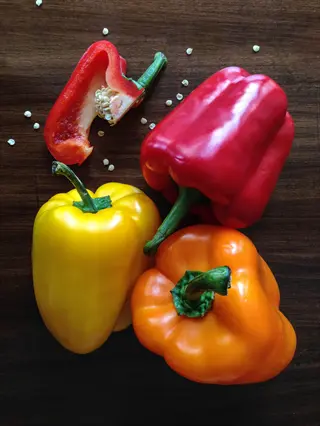
Bell Peppers
- Hydration value: Offering 92% water content with vitamin C, bell peppers support essential cellular hydration functions daily
- Electrolyte content: Potassium-rich composition aids nerve transmission signals and maintains proper fluid balance regulation internally
- Preparation method: Slice raw peppers for crunchy salad additions that deliver significant hydration with minimal preparation
- Nutrition fact: Contains capsaicinoids that improve blood circulation enhancing hydration delivery to all body tissues
- Color variation: Red peppers provide the highest hydration and vitamin content compared to green or yellow varieties
- Storage tip: Keep unwashed peppers in refrigerator crisper drawers to maintain cellular hydration integrity for longer
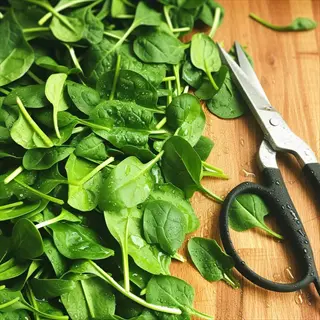
Spinach
- Water composition: At 93% water with magnesium, spinach facilitates enzymatic hydration reactions throughout your entire system
- Mineral profile: Iron content supports oxygen transport to hydration-dependent cellular processes for energy production
- Usage tip: Add raw spinach to smoothies or sandwiches for subtle yet effective hydration boosts anytime
- Nutrition fact: Contains glycoglycerolipids that protect digestive lining during hydration processes reducing irritation risks
- Cooking method: Lightly steam spinach to preserve water-soluble vitamins and maximize hydration benefits retention
- Selection guide: Choose crisp leaves with vibrant green color indicating freshness and optimal hydration potential
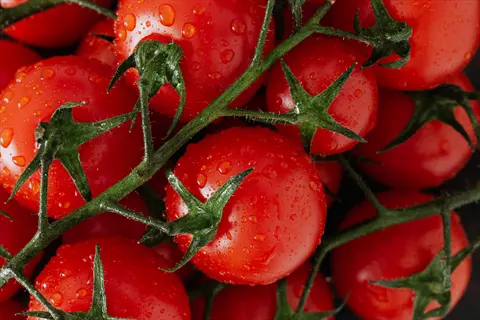
Tomatoes
- Hydration level: With 94% water content plus lycopene, tomatoes offer cellular hydration protection against oxidative stress
- Electrolyte balance: Potassium-rich profile maintains proper fluid balance between different body compartments and systems
- Serving suggestion: Combine sliced tomatoes with fresh mozzarella and basil for hydrating caprese snacks or meals
- Nutrition fact: Contains glutathione that supports liver hydration detoxification processes for improved bodily cleansing
- Preparation tip: Cook tomatoes lightly to increase bioavailability of hydration-supporting lycopene compounds significantly
- Storage method: Keep tomatoes at room temperature away from direct sunlight to preserve hydration content longer

Zucchini
- Water percentage: Providing 95% hydration content with manganese, zucchini supports hydration enzyme activation efficiently
- Fiber benefit: Soluble fiber forms hydration-supporting gel that slows water absorption for prolonged hydration effects
- Cooking idea: Spiralize zucchini into noodles as hydrating low-carb pasta alternatives for healthy meal options
- Nutrition fact: Contains lutein that protects eyes from hydration-related dryness and maintains visual comfort
- Selection guide: Choose small firm zucchinis with glossy unblemished skin for maximum hydration content potential
- Preservation tip: Store unwashed zucchini in perforated bags to maintain optimal hydration levels and freshness

Cantaloupe
- Hydration value: Offering 90% water with vitamin A, cantaloupe supports mucosal hydration throughout your body
- Electrolyte profile: Potassium-rich composition helps maintain hydration balance during physical activities and exercise sessions
- Serving suggestion: Combine cubed cantaloupe with prosciutto for savory-sweet hydration pairings at any meal
- Nutrition fact: Contains zeaxanthin that protects skin against hydration-related sun damage during outdoor exposure
- Selection tip: Choose cantaloupes emitting sweet aroma with slight softness at the stem end indicating ripeness
- Storage method: Refrigerate cut cantaloupe pieces in airtight containers to preserve hydration content and texture

Coconut Water
- Electrolyte balance: Natural sodium and potassium levels closely mimic human blood plasma hydration composition perfectly
- Hydration science: Contains cytokinins that support cellular hydration processes at the molecular level effectively
- Usage tip: Consume coconut water after exercise to replace electrolytes lost through sweat and hydration processes
- Nutrition fact: Contains lauric acid with antimicrobial properties supporting gut hydration and microbiome balance
- Selection guide: Choose raw unprocessed versions without added sugars or preservatives for pure hydration benefits
- Storage method: Refrigerate after opening and consume within 24 hours for optimal hydration quality and safety
Energy-Boosting Nutrition
Opt for complex carbohydrates such as oatmeal rather than simple carbohydrates such as pastries to fuel sustained energy. Oatmeal will steadily release glucose, thus protecting against sugar crashes. At the same time, pastries will provide a spike and subsequent energy dive. I have switched clients over to oats, and after doing so, I have seen them become more energized. Their afternoon low energy was resolved within days.
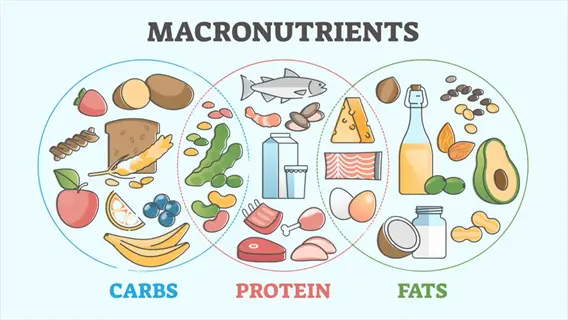
For optimal energy synergy, combine protein, fat, and fiber in your snacks. Apple slices with peanut butter provide the perfect combination of these nutrients. Protein builds enzymes, fat slows down digestion, and fiber regulates absorption. This trio will keep you fueled for hours compared to other sugary options.
Use your hand to measure portions: a serving of protein is the size of your palm. A serving of vegetables is the size of your fist; a serving of carbohydrates is the size of your cupped hands. This intuitive system can work for all body types without counting calories.
Choose real, whole foods, such as eggs and lentils, over supplements unless instructed otherwise. Real food provides synergistic nutrients that supplements cannot offer. For many, salmon will provide more benefits than fish oil pills. Food-first nutrition fully supports our body's energy systems.
Morning Fuel
- Consume within 1 hour of waking to break overnight fast
- Combine protein (eggs), complex carbs (oatmeal), healthy fats (avocado)
Midday Balance
- Eat every 3-4 hours to maintain stable blood sugar levels
- Sample: Grilled chicken salad with olive oil dressing and quinoa
Pre-Workout
- Consume 30-60 minutes before exercise: Banana with almond butter
- Provides quick energy without digestive discomfort
Post-Workout
- Within 45 minutes: Greek yogurt with berries and honey
- Replenishes glycogen and repairs muscle tissue
Evening Nutrition
- Light protein + fiber: Baked salmon with roasted vegetables
- Avoid heavy carbs 2 hours before bedtime
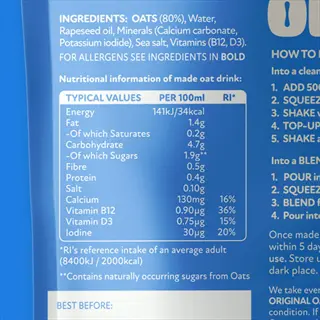
Oats
- Fiber content: Beta-glucan soluble fiber significantly slows glucose absorption maintaining steady energy release for 4-6 hours after consumption
- Mineral profile: Rich manganese content supports enzymatic energy production pathways at the cellular level throughout your body
- Preparation method: Soak overnight with chia seeds and fresh berries to enhance nutrient bioavailability and digestive comfort
- Serving recommendation: 1/2 cup dry provides 4g protein and sustained morning energy without blood sugar spikes
- Cooking variation: Try savory oatmeal with poached eggs and spinach for balanced protein-carbohydrate synergy
- Storage tip: Keep in airtight containers away from sunlight to preserve natural oils and prevent rancidity

Eggs
- Protein quality: Complete amino acid profile supports muscle energy metabolism and tissue repair processes efficiently
- Choline content: Essential nutrient for mitochondrial energy production and cellular membrane integrity maintenance
- Cooking method: Poach or boil instead of frying to preserve heat-sensitive B-vitamins crucial for energy conversion
- Pairing science: Combine with vitamin C-rich spinach to enhance iron absorption and oxygen transport efficiency
- Portion guidance: Two large eggs provide 12g protein equivalent to palm-sized serving for energy balance
- Selection tip: Choose pasture-raised eggs for higher omega-3 content that reduces inflammation-related energy loss
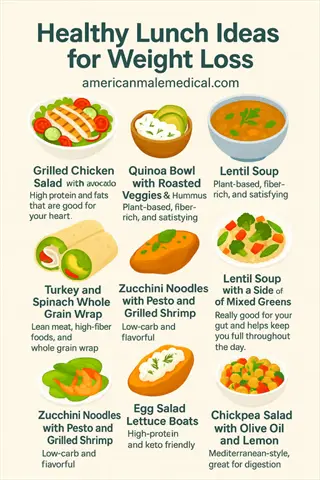
Lentils
- Iron content: Essential mineral for oxygen transport prevents energy-sapping anemia especially in active individuals
- Fiber-protein combo: 18g protein and 16g fiber per cooked cup sustains energy for 3-5 hours post-consumption
- Preparation technique: Soak 2 hours before cooking to reduce phytates and improve mineral absorption significantly
- Culinary use: Substitute for ground meat in bolognese to create plant-based energy-sustaining meal options
- Variety benefit: Red lentils cook faster while brown lentils maintain firmer texture for diverse energy meals
- Storage method: Keep dried lentils in cool dark place for up to 1 year preserving nutritional energy value

Bananas
- Carbohydrate profile: Natural sugars combined with resistant starch provide immediate and sustained dual-phase energy release
- Potassium role: Regulates fluid balance and nerve function ensuring efficient cellular energy transmission systems
- Ripeness guide: Green bananas offer slow-release energy while spotted bananas provide quicker carbohydrate access
- Portable advantage: Natural protective packaging makes them ideal on-the-go snack for emergency energy needs
- Freezing tip: Slice and freeze overripe bananas for smoothies that deliver cold energy without added sugars
- Pairing suggestion: Combine with almond butter for protein-fat balance prolonging energy duration significantly
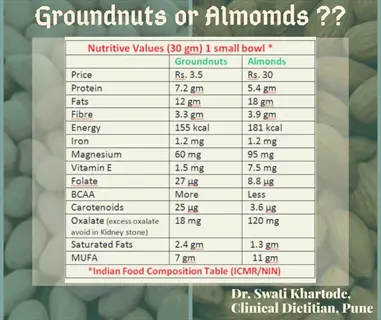
Almonds
- Magnesium content: Critical co-factor for ATP production supporting cellular energy cycles throughout your body
- Healthy fats: Monounsaturated fats slow carbohydrate digestion maintaining stable blood sugar for hours
- Activation method: Soak overnight to reduce enzyme inhibitors and enhance nutrient absorption efficiency
- Portion control: 1 oz (28g) provides 6g protein and sufficient fiber for appetite regulation between meals
- Flavor pairing: Combine with dark chocolate (70%+) for flavonoid boost that improves cellular energy efficiency
- Storage science: Refrigerate in airtight containers to prevent rancidity and preserve energy-boosting nutrients
Salmon
- Omega-3 fatty acids: EPA and DHA reduce cellular inflammation preventing energy waste in metabolic processes
- B-vitamin complex: Converts food into usable adenosine triphosphate (ATP) through efficient metabolic pathways
- Selection guidance: Wild-caught varieties contain significantly higher omega-3 content than farmed alternatives
- Cooking technique: Bake at 375°F (190°C) for 12-15 minutes to preserve delicate fats and nutrient integrity
- Serving size: 3-4 oz (85-113g) provides optimal protein without overloading digestive energy requirements
- Leftover use: Flake cold salmon into salads for next-day lunch maintaining high-quality protein energy source
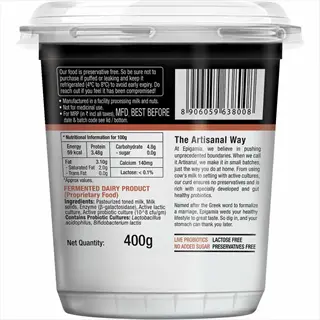
Greek Yogurt
- Protein density: 17g per 6oz serving supports prolonged satiety and steady energy release for 3-4 hours
- Probiotic benefit: Live cultures optimize gut health enhancing nutrient absorption efficiency for energy production
- Flavor enhancement: Mix with cinnamon and walnuts instead of sugary toppings to avoid energy crashes
- Timing advantage: Ideal afternoon snack to combat 3PM energy slump without heavy digestive burden
- Straining difference: Extra straining process removes whey creating thicker texture and higher protein concentration
- Vegetarian option: Provides complete protein alternative to meat with lower environmental energy cost
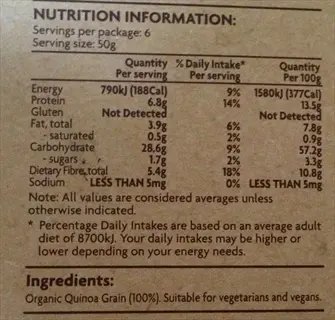
Quinoa
- Complete protein: Contains all 9 essential amino acids required for efficient energy metabolism in cells
- Glycemic advantage: Low 53 rating prevents blood sugar spikes and subsequent energy crashes after meals
- Preparation necessity: Rinse thoroughly before cooking to remove bitter saponin coating affecting flavor
- Culinary base: Substitute for white rice in grain bowls adding sustained energy through balanced nutrition
- Cooking ratio: Use 1:2 quinoa-to-water ratio simmered for 15 minutes for optimal texture and digestibility
- Nutritional bonus: Naturally gluten-free making it suitable for energy-sensitive digestive systems

Blueberries
- Antioxidant power: Anthocyanins protect mitochondria from oxidative stress maintaining cellular energy efficiency
- Vitamin C synergy: Enhances iron absorption from plant-based sources improving oxygen-based energy production
- Freezing science: Preserves nutrients better than off-season fresh berries maintaining energy-boosting potential
- Serving suggestion: Add to oatmeal or yogurt creating antioxidant-energy combination lasting several hours
- Portion guidance: 1 cup provides 4g fiber and 24% vitamin C RDA for daily energy support
- Selection tip: Choose deep blue berries with silvery bloom indicating freshness and peak nutritional value

Sweet Potatoes
- Complex carbohydrate: 26g per medium potato with 4g fiber enables slow energy release over 3-5 hours
- Vitamin A richness: 400% daily value supports mitochondrial function and cellular energy conversion processes
- Cooking method: Bake whole with skin to preserve nutrient density and natural moisture content
- Timing recommendation: Consume 90 minutes before exercise for optimal glycogen-loading energy benefit
- Color variation: Orange varieties highest in beta-carotene while purple contain additional anthocyanins
- Storage technique: Keep in cool dark place (not refrigerated) to maintain texture and energy nutrients
Movement & Mindfulness
Energizing movements, such as brisk walking, differ from relaxation or restorative tools - like deep breathing. Doing a few minutes of stair climbing every two hours can provide instant revitalization. Gentle stretches from yoga offer restorative breaks. I like to use these alternately throughout the workday in pursuit of balanced energy regulation.
Movement generates energy through increased oxygen flow to your muscles and brain. Even 10 minutes of activity promotes mitochondrial production, which powers up cellular energy. This physiological effect lasts for hours after exercise. Begin with sessions you can feasibly do consistently.
Tailor activities according to your own fitness level. A beginner could do seated leg lifts, while an advanced person could add resistance bands for an extra challenge. Use breath focus or mindfulness in two-minute sessions, working up to ten minutes. Adjust the time based on your own ability, rather than a time frame you or others arbitrarily set.
Mindfulness practices save energy by reducing stress hormones such as cortisol. Easy techniques can reset your nervous system in minutes. I teach clients to integrate movement and mindfulness to form sustainable energy habits. This combination has more sustained energy than caffeine!
Breath Awareness
- Sit comfortably and focus on natural breath rhythm for 5 minutes
- Count breaths 1-10 then repeat to calm nervous system
- Enhances oxygen utilization and mental clarity
Body Scan Meditation
- Systematically focus attention from toes to head for 10 minutes
- Release tension in each muscle group to conserve energy
- Improves body awareness reducing fatigue from stress
Mindful Walking
- Walk slowly while noticing foot sensations and surroundings
- Practice 10 minutes outdoors to combine movement and awareness
- Synchronizes physical activity with present-moment focus
Guided Visualization
- Imagine vibrant energy flowing through body for 7 minutes
- Visualize completing tasks with ease and vitality
- Activates neural pathways associated with alertness
Sensory Grounding
- Identify 5 things you see, 4 you feel, 3 you hear, 2 you smell, 1 you taste
- Takes 3 minutes to reset during energy slumps
- Redirects mental resources from fatigue to present awareness
Rest & Recovery
Sleep restoration occurs each night, while active recovery is light movement, e.g., stretching. Sleep restores cells, and gentle yoga helps clear metabolic waste. I advise my clients to try to do both daily to restore energy completely, rather than relying on just one method.
Plan your napping and sleeping wisely. Timing naps and sleep at night should be strategic. The prime restoration time occurs from about 10 PM-2 AM when growth hormone is peaking. Limit naps to no more than 20 minutes before 3 PM to prevent nighttime disturbance. Night shift workers should use blackout shades in bedroom windows to mimic darkness.
Rest rejuvenates energy through cellular repair during deep sleep cycles. A key process in clearing adenosine, a chemical associated with fatigue, occurs while you slumber. This increases mitochondrial efficiency and energy production the next day. Without it, you wake depleted daily.
Adapt recovery to fit your situation. Office workers could sneak in a few desk stretches. Parents can utilize short meditation. Travelers can use eye masks or white noise apps to help them sleep. I adapt the plans based on individuals' limitations, rather than textbook perfection.
Guided Meditation
- Practice 10-minute body scan focusing on tension release
- Visualize energy restoration during inhalation phases
- Enhances parasympathetic nervous system activation
Light Movement
- Gentle yoga or stretching for 15 minutes post-waking
- Focus on spinal twists and diaphragmatic breathing
- Increases blood flow without energy depletion
Hydration Protocol
- Sip warm herbal tea (chamomile/peppermint) before bed
- Limit fluids 90 minutes pre-sleep to prevent disruptions
- Maintain electrolyte balance with trace mineral water
Sensory Deprivation
- Use eye mask and white noise for 30-minute dark retreats
- Creates artificial night for shift workers
- Resets cortisol-melatonin balance
Sunlight Anchoring
- 10 minutes morning sunlight within 30 minutes of waking
- Regulates cortisol curve for daytime alertness
- Use light therapy lamps during winter months
Sustainable Daily Habits
Small daily habits offer compound energy benefits over time. Drinking water first thing helps stabilize your system, and a protein-rich breakfast helps stave off a mid-morning crash. These small, under-15-minute habits help you build momentum like interest in a savings account. I've watched clients transform energy levels through consistency, not complexity.
Grasps the neuroscience of habits. Repeating behavior strengthens neural connections and pathways, leading to automaticity. Start a new routine with obvious triggers, such as putting water right next to your bed. Remember to reward yourself with a bit of mental recognition for completing each habit. This reinforced positive cycle will begin to happen naturally.
Anticipate setbacks and consider options. Failed to take your morning stroll? Do two minutes of stretching as soon as you can now. Forgotten to hydrate? Drink one glass now, not two glasses later. I promote the two-minute rule: when struggling, just do a micro version of the habit.
Please do it. Just note three successful days each week - not the perfect week. Forming a habit works on frequency, not intensity. Celebrate small-level activities, like taking the stairs instead of the elevator. These small choices accumulate and eventually become a significant reservoir of energy over the course of weeks and months.
Morning Routine Stack
- Hydration (1 min) → Sunlight (10 min) → Protein breakfast (5 min)
- Triggers: After alarm → After water → After sunlight
Workday Energy Stack
- Movement break → Hydration → Focused work block
- Triggers: Hourly alarm → After movement → After hydration
Pre-Winddown Stack
- Digital sunset → Herbal tea → Journaling
- Triggers: 8PM → Screen off → Tea preparation
Weekend Recovery Stack
- Extra sleep → Nature walk → Meal prep
- Triggers: Saturday wake-up → After breakfast → After walk
Habit Reset Protocol
- Missed habit? Immediately do 2-minute version instead
- Example: Missed workout → 2-minute stretch instead
5 Common Myths
Energy drinks can provide long-term focus without negatively affecting physical health and safety.
Energy drinks cause routine drops in energy because of sugar and caffeine spikes followed by adrenal fatigue. While they provide temporary alertness, the fall in blood glucose afterwards leads to more fatigue than before the increase. Healthy alternatives like green tea will provide a steady, sustainable energy beverage using L-theanine without messing with natural cortisol rhythms.
Habitually missing meals will stimulate a faster metabolism and greatly improve your energy level throughout the day
Missing meals causes blood glucose levels to crash, causing a drop in metabolic activity and a drop in energy levels. The body goes into conservation mode, slowing calorie utilization while stimulating stress hormone release (e.g. cortisol). Habitually consuming balanced meals every 3-4 hours allows blood glucose levels to remain moderated, which works to optimize energy production in metabolism via a more functional mitochondrial process.
Sleeping more than the amount recommended for a night will simply cause you to wake up more energized and refreshed the following day
Sleeping more than nine hours a night disrupts circadian rhythms and alters sleep architecture, negatively affecting the overall sleep quality of that night. Thus, excessively sleeping can lead to grogginess and a loss of energy by altering your cycles of cortisol and melatonin. True and optimal energy comes from sleeping for a consistent 7-8 hour window that is synchronized with natural light cycles, and not from excessively long durations of sleep that will only break up any cycles of restorative sleep.
All types of sources of carbohydrate will create energy dips and should not be consumed as part of your daily dietary pattern.
Complex carbohydrate sources such as whole oats and quinoa offer a prolonged and gradual source of energy via glucose and its fiber content. While simple carbohydrates may raise your blood sugar, whole-food carbohydrate sources provide a steady fuel for continued mitochondrial ATP production over many hours. Omitting all carbohydrates will deny the primary efficient energy substrate for both the brain and muscles.
It is questionable whether dietary supplements alone can adequately fill in the gaps of nutrients needed because of extreme poor eating habits
Furthermore, isolated supplements do not contain the same synergy of co-factors or bioavailability from whole foods. The nutrients within spinach or salmon work with thousands of phytochemicals that support absorption and use. Use supplements only when needed! Supplements should serve to complement but not replace variety of whole food sources that provide nutritional matrices to produce cellular energy.
Conclusion
Hydration, nutrition, movement, rest, and habits create an interconnected system for natural energy. Each facet supports the others, making a sustainable cycle. Water acts to carry nutrients, movement acts to carry oxygen, and rest acts to repair tissue. Together, they create vitality that is greater than the sum of its parts.
Small changes, combined with consistency, can have a greater impact than significant changes. For example, adding one glass of water each morning may seem trivial, but it adds up over the course of the week. Consistent stretching for five minutes, daily, prevents an energy slump over long periods, thereby creating better, lasting benefits. The gradual approach creates sustainable habits.
Pick only one strategy from each main section to start. You could try morning hydration, plus a protein breakfast, hourly stretches, and an earlier bedtime. Choose what fits best with your current routine and don't try to change everything. I have successfully helped clients navigate changes one at a time, rather than all at once.
Sustainable energy is renewed through these daily practices. You will begin to develop your body to produce your vitality better naturally. You will have sustainable energy without the need for stimulants. You will have self-powered vitality benefits that allow you to start today at any time!
External Sources
Frequently Asked Questions
How can I boost my energy naturally?
Sustainable natural energy comes from hydration, balanced nutrition, movement breaks, and quality sleep. Drink water consistently, consume protein-rich meals, take hourly movement breaks, and prioritize 7-8 hours of sleep. These habits optimize cellular energy production without artificial stimulants.
What's the best natural energy booster?
Hydration serves as the foundational natural energy booster. Drinking adequate water supports cellular functions while complex carbohydrates like oats provide sustained fuel. Combining hydration with protein-rich foods creates synergistic energy effects that outperform isolated solutions.
What drinks help fight fatigue?
Effective fatigue-fighting beverages include:
- Water: Essential for cellular hydration and metabolic processes
- Herbal teas: Peppermint or ginger improve circulation without caffeine
- Coconut water: Natural electrolytes combat dehydration-related fatigue
- Green tea: L-theanine provides alertness without energy crashes
Which foods combat fatigue best?
Fatigue-fighting foods include protein sources like eggs and Greek yogurt for sustained energy, complex carbs such as sweet potatoes for gradual fuel release, and magnesium-rich almonds for enzymatic support. Hydrating foods like cucumbers and watermelon also prevent energy slumps.
Why am I constantly tired?
Persistent tiredness often stems from dehydration, nutrient gaps, poor sleep quality, or sedentary habits. Inadequate water intake impairs cellular function, while skipping meals causes blood sugar crashes. Addressing these foundational factors typically resolves chronic fatigue.
What vitamins help with tiredness?
Key vitamins for energy include:
- B vitamins: Convert food into cellular energy
- Iron: Supports oxygen transport to prevent fatigue
- Vitamin D: Regulates energy pathways when deficient
- Magnesium: Activates ATP production enzymes
Does B12 provide immediate energy?
B12 doesn't offer instant energy like stimulants. It gradually supports red blood cell formation and neurological function over days or weeks. Those with diagnosed deficiencies may notice sustained energy improvements after consistent supplementation paired with dietary sources.
What's the best breakfast for energy?
An energy-optimized breakfast combines protein, complex carbs, and healthy fats. Examples include Greek yogurt with berries and almonds, or eggs with avocado and whole-grain toast. This macronutrient balance stabilizes blood sugar for hours-long vitality.
Can herbs improve energy levels?
Adaptogenic herbs like ginseng and ashwagandha help regulate stress responses that drain energy. Peppermint and ginger teas enhance circulation while Rhodiola supports mitochondrial function. These work gradually unlike caffeine-based stimulants.
How does sleep affect daily energy?
Quality sleep between 10PM-2AM maximizes growth hormone release for cellular repair. Inadequate or mistimed sleep disrupts cortisol rhythms, causing daytime fatigue. Consistent sleep schedules in cool, dark environments optimize restoration for sustained energy.