10 Proven Ways How Stay Motivated Daily

Written by
Gina Mason
Reviewed by
Prof. William Dalton, Ph.D.Find out how stay inspired by creating an environment that helps to reduce daily distractions
Make micro-wins an intentional process to create positive dopamine-driven momentum toward bigger wins
Conceive SMART goals with measurable milestones for clear direction and focus
Link motivation to movement and structure your morning daily to be right on task
Counteract willpower depletion by using habit stacking along with scheduled renewal breaks
Busting motivation myths: Action comes before feeling not the other way around.
Article Navigation
You may be questioning how to stay motivated, feeling unmotivated may seem impossible. Motivation is that inner impulse to take action and sustain focus toward our goals. Everyday life presents challenges, such as new routines and physical exhaustion, which can test our motivation.
I am very familiar with this struggle. As a working mom, I had mornings when even getting out of bed was a challenge. You can navigate these dips using evidence-based approaches, such as those that regulate dopamine. The tweaks can be small, but make a big impact.
These tactics work for all. Whether you are a student with exams to prepare for, a professional with deadlines to work on, or a parent with a million tasks, you can make use of this. Start simple. Measure small wins, progress step by step, and stress-free.
Power of Environment
Your environment has a direct influence on your brain chemistry. Clutter is associated with stress hormones, such as cortisol, which deplete the neurotransmitters responsible for motivation and emotional well-being. I practiced self-awareness to understand my productivity dips better. One day, I noticed that my desk was messy and I had been putting off something important for hours.
Optimizing your workspace begins with the lighting. Use 5,000 K bulbs, which simulate the color temperature of natural daylight. This light spectrum increases alertness and dopamine production. Place your desk near the window whenever you can. Your eyes and brain respond better to balanced light.
Engage in strict clutter reduction. Keep only five important items on your desk, and put everything else away and out of sight. Visual simplicity reduces cognitive load. When fewer distractions are competing for your attention, your ability to concentrate improves.
Have inspiration boards within view of your workspace. Place images that reflect your goals onto these boards. Whenever you glance at a progress photo or a motivational quote, you activate your reward system. Repeatedly, throughout the day, this system releases dopamine. Viewing the boards only reinforces your motivation, but it also creates a greater sense of sustainability to take action.

Natural Light Setup
- Benefit: Reduces eye strain and aligns with circadian rhythms for sustained focus
- Implementation: Position desk near windows; use sheer curtains to diffuse glare
- Optimal Intensity: 500 lux minimum for reading tasks during daytime hours
- Science Note: Daylight exposure increases serotonin production, boosting mood and alertness
- Common Mistake: Avoid direct sunlight causing screen glare; use adjustable blinds instead
- Maintenance Tip: Clean windows monthly to maximize light transmission efficiency

Minimalist Workspace
- Benefit: Lowers cortisol by eliminating visual clutter and decision fatigue
- Implementation: Store non-essentials in drawers; keep only 5 daily-use items visible
- Tool Tip: Use vertical organizers for documents to free desk surface area
- Psychology Insight: Reduced visual stimuli conserve mental energy for important tasks
- Weekly Routine: Dedicate 10 minutes daily to decluttering surfaces
- Color Guidance: Use neutral tones like white or beige to enhance calmness

Ergonomic Seating
- Benefit: Prevents back pain and maintains energy during long tasks
- Implementation: Adjust seat height so feet rest flat; maintain 90° knee angle
- Posture Check: Shoulders relaxed with screen at eye level
- Health Metric: Change positions every 30 minutes to improve circulation
- Investment Tip: Prioritize lumbar support over aesthetics for long-term health
- Measurement Guide: Armrests should align with desk height to prevent shoulder strain

Greenery Integration
- Benefit: Improves air quality and reduces anxiety through biophilic design
- Implementation: Place low-maintenance plants like snake plants near work area
- Optimal Species: Peace lilies filter toxins; succulents require minimal care
- Placement Strategy: Cluster plants in corners to create natural dividers
- Watering System: Use self-watering pots for consistent moisture during busy weeks
- Light Requirement: Position shade-tolerant plants like ZZ plants away from direct light
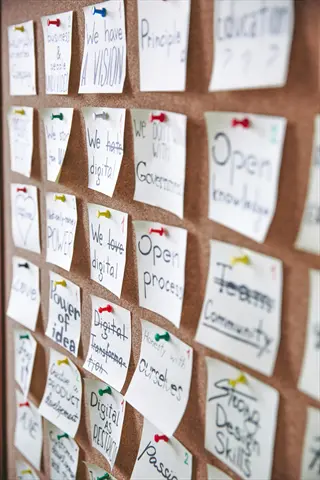
Personalized Motivation Zone
- Benefit: Reinforces goals through visual cues that trigger dopamine responses
- Implementation: Display photos, quotes, or progress charts in direct line of sight
- Refresh Cycle: Update content monthly to maintain relevance and novelty
- Neuroscience Basis: Visual reminders activate the brain's reward system
- Creative Tip: Use color-coded sections for different life domains (career/health)
- Interactive Element: Add sticky notes for adjustable weekly affirmations
Tracking Progress Effectively
To track progress effectively, we need to understand two different types. Outcome-based tracking measures the completion of goals, like finishing a project. Habit-based tracking measures the consistency of a routine, like meditating every day. Each of them provides us with different insights into our motivation and helps us keep moving.
Celebrate the completion of five daily tasks to boost motivation. These micro-wins create a dopamine release in your brain. The amazing power of micro-wins was something I first realized while training for a marathon. Marking off each short run I completed actually kept me more motivated than focusing on race day.
Use tools that fit your personality. Paper journals give you space to reflect deeply. Apps provide real-time observations with metrics. Your patterns can visualize your progress in the charts. An accountability system, when paired with a partner, adds an extra layer of reinforcement from someone outside of yourself. Both approaches produce sustainable commitment.
Consciously plan milestone celebrations. Reward yourself after every ten journal entries or streaks on an App. Simple acknowledgments, such as treating yourself to a special coffee or taking a walk, reinforce the behavior you want to remember. Recognizing yourself periodically builds a much stronger reinforcement cycle, turning the effort into an automatic habit loop that requires less willpower.
Journal Method
- How: Dedicate five minutes every evening to write down daily accomplishments in a dedicated notebook, ideally right before bedtime to reflect on the day
- Benefit: Enhances self-awareness of small wins that often get overlooked during busy schedules, building confidence
- Visual Aid: Assign specific colored pens to different achievement categories like work breakthroughs or personal milestones
- Frequency: Maintain minimum five daily entries to establish consistent practice and develop reflective habits
- Science Insight: Handwriting activates memory centers more effectively than typing for long-term retention
- Common Pitfall: Avoid vague entries; instead detail specific actions like 'completed 30-minute focused writing session'
Digital Dashboards
- Tools: Utilize Todoist for task management combined with Forest app for focus sessions and Google Calendar integration
- Setup: Synchronize all platforms across mobile and desktop devices for real-time access anywhere with internet
- Metric Focus: Prioritize tracking completion rates rather than just tracking time spent on activities
- Review: Generate comprehensive weekly reports to identify productivity patterns and recurring obstacles
- Automation Tip: Set recurring reminders for high-priority tasks at optimal energy times throughout the day
- Security: Enable two-factor authentication when syncing confidential goal data across multiple applications
Milestone Markers
- Implementation: Create tangible representations like marble jars where each marble equals one completed task
- Psychology: Physical evidence of progress fuels dopamine-driven motivation cycles more effectively than digital
- Placement: Position markers in high-visibility areas like desks or refrigerator doors for constant reminders
- Celebration: Establish reward thresholds like adding a marble per task with special treats at fifty-count milestones
- Customization: Color-code marbles or tokens to represent different life domains such as health or career
- Reset Protocol: Empty containers monthly to symbolize fresh starts while archiving previous achievement records
Accountability Partnerships
- Structure: Schedule weekly video calls with clearly defined progress checkpoints and prepared discussion topics
- Selection: Choose partners pursuing complementary goals rather than direct competitors to minimize comparison traps
- Framework: Share three concrete wins and one specific improvement area during each accountability session
- Duration: Commit to minimum twelve-week partnerships allowing sufficient time for meaningful habit formation
- Documentation: Maintain shared notes documenting action items and progress measurements between sessions
- Boundaries: Establish confidentiality agreements and mutual permission to challenge unproductive patterns constructively
Quantified Self Approach
- Devices: Incorporate wearables like Fitbit or Apple Watch tracking biometric data alongside productivity apps
- Metrics: Monitor sleep quality scores, active minutes, and heart rate variability correlations with output
- Correlation: Chart energy fluctuations against completed tasks to identify personal performance patterns
- Optimization: Adjust routines based on data insights like scheduling demanding work during peak energy windows
- Integration: Combine biometric data with mood journals to detect stress triggers affecting motivation levels
- Privacy: Regularly audit data-sharing settings ensuring sensitive health information remains securely protected
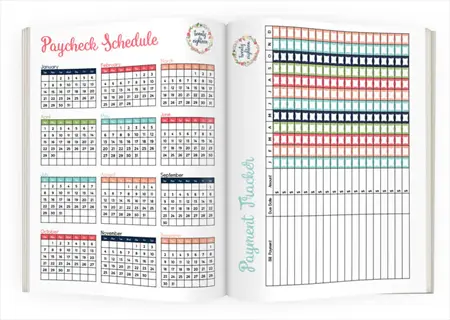
Bullet Journal Layout
- Structure: Utilize rapid logging symbols like dots for tasks and circles for events with migration arrows
- Effectiveness: Handwriting engages motor memory increasing commitment retention significantly versus digital typing
- Customization: Assign specific highlighter colors to priority levels such as red for critical deadlines
- Weekly Routine: Dedicate Sunday evenings to review completed spreads and establish new weekly intentions
- Pitfall Avoidance: Prevent overcrowding by limiting daily tasks to five or six achievable maximum items
- Long-Term Value: Creates searchable archive revealing growth patterns over six months or longer periods

Digital Dashboard Example
- Setup: Synchronize Todoist with Google Calendar visualizing deadlines across work and personal domains
- Key Metric: Track completion consistency statistics like morning routines finished before eight AM
- Alert System: Configure custom notifications for streak achievements celebrating consecutive task chains
- Data Export: Generate monthly performance reports identifying productivity peaks and obstacle patterns
- Accessibility: Implement color-blind friendly palettes avoiding problematic red-green contrast combinations
- Security: Maintain encrypted backups and enable two-factor authentication protecting sensitive goal information
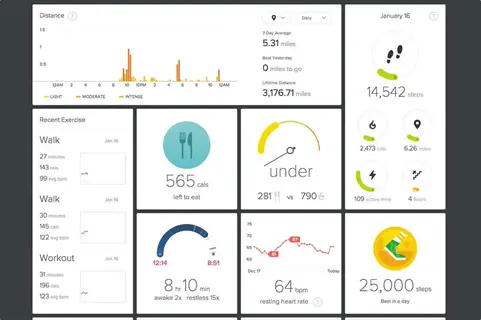
Fitness Tracker Integration
- Correlation: Chart step counts against completed tasks identifying activity thresholds boosting productivity
- Sleep Tracking: Monitor deep sleep percentages correlating with next-day focus and decision-making capacity
- Goal Setting: Establish weekly active minute targets gradually increasing from baseline measurements
- Reminder System: Program vibration alerts prompting movement breaks after prolonged sitting periods
- Data Syncing: Combine with nutrition apps showing macro-nutrient impacts on mental clarity scores
- Privacy Controls: Regularly review biometric data sharing permissions maintaining strict confidentiality standards
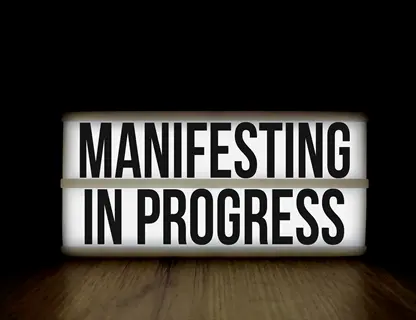
Vision Board Implementation
- Placement: Position in direct sightlines during work hours maintaining constant visual goal reinforcement
- Symbolism: Incorporate layered imagery representing both ultimate outcomes and incremental milestones
- Update Protocol: Refresh elements quarterly ensuring alignment with evolving priorities and aspirations
- Tactile Elements: Add textured materials like fabrics or natural items enhancing multisensory engagement
- Reflection Practice: Schedule monthly reviews assessing which visuals still spark authentic motivation
- Digital Version: Create rotating wallpaper images syncing across devices for mobile reinforcement
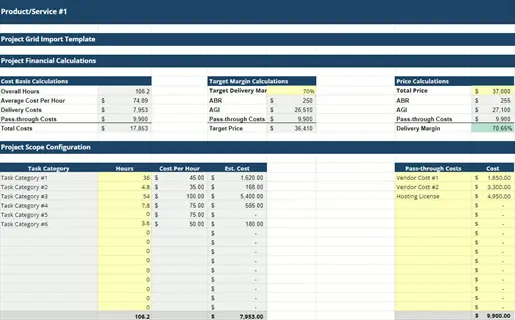
Spreadsheet System
- Template Design: Create automated formulas calculating weekly completion percentages across goal categories
- Visualization: Generate color-coded charts transforming raw data into intuitive progress snapshots
- Conditional Formatting: Implement red-to-green transitions signaling achievement proximity for key targets
- Backup Protocol: Maintain version histories and cloud-synced copies preventing accidental data losses
- Accessibility: Share view-only links with accountability partners enabling external progress validation
- Time Savings: Develop reusable templates minimizing setup for recurring monthly tracking cycles
Goal Setting Frameworks
To comprehend goal frameworks, it is best to first distinguish between two different approaches. Outcome-oriented approaches share a focus on result objectives like promotions or losing weight. Process-oriented approaches share the focus on your daily actions, such as practicing the skills. Both types of approaches create motivation, but by different psychological pathways.
The SMART criteria reshape vague desires into concrete plans of action: set goals that are Specific, Measurable, Attainable, Relevant, and Timely. An example of this would be the goal 'get fit' turns into 'Walk 30 minutes five days a week for three months'. This precision avoids paralysis and gains momentum through small wins.
Tailor frameworks to your life context. Students can break their study goals into 25-minute Pomodoros. Parents can combine existing habits (such as going for a walk after dinner) to support the development of new habits. I adjusted my SMART goals during my transition from K-12 to higher education to measure whether I was building skills every week.
Work through common roadblocks such as procrastination. When clients have problems with implementation, I encourage them to focus on micro-commitments. Pick one thing to do for 5 minutes a day before working up to something bigger. Attach new behavior to an existing anchor behavior, such as morning coffee, to overcome resistance and grow consistency.
SMART Methodology
- Specific: Define clear objectives using precise language like 'Increase client acquisition by 15%' rather than vague improvements
- Measurable: Establish quantifiable metrics such as tracking weekly progress through dedicated software or spreadsheets
- Achievable: Ensure goals stretch capabilities while remaining realistic given available time and resources
- Relevant: Align objectives with broader life priorities confirming their importance through reflection
- Time-bound: Set explicit deadlines creating urgency like completing certification within three months
OKR Framework
- Objective Definition: Create ambitious qualitative targets inspiring action such as revolutionizing customer service standards
- Key Results: Develop measurable outcomes demonstrating achievement like reducing complaint resolution time by forty percent
- Alignment: Connect team objectives to organizational missions ensuring cohesive direction across departments
- Cycles: Implement quarterly reviews with mid-cycle check-ins maintaining consistent progress monitoring
- Scoring: Use zero-to-one rating system quantifying achievement levels for transparent evaluation
WOOP Technique
- Wish Identification: Articulate meaningful desires rooted in personal values such as improving work-life balance
- Outcome Visualization: Imagine successful results vividly including emotional benefits like reduced stress levels
- Obstacle Planning: Anticipate potential barriers proactively creating solutions for common challenges
- Plan Development: Formulate specific implementation intentions using 'if-then' contingency statements
- Mental Contrasting: Balance positive visualization with realistic assessment of difficulties preventing overoptimism
Backward Goal Setting
- Vision Definition: Start with ultimate destination then reverse-engineer necessary milestones and timelines
- Gap Analysis: Identify current capabilities versus required skills creating targeted development plans
- Stepping Stones: Break long-term objectives into sequential phases with six-month achievement intervals
- Resource Mapping: Inventory available tools and support systems addressing deficiencies early
- Contingency Buffers: Incorporate flexible timelines accommodating unexpected delays without derailing progress
Habit Stacking
- Anchor Identification: Select existing routines like morning coffee rituals to attach new behaviors
- Formula Application: Utilize 'After [CURRENT HABIT], I will [NEW HABIT]' structure ensuring automatic triggers
- Simplicity Focus: Begin with two-minute versions of complex habits establishing consistency first
- Environment Design: Prepare necessary materials in advance removing friction from habit execution
- Tracking Integration: Log completion rates celebrating streaks to reinforce neural pathways
Mental Strategies for Focus
Effective focus is the intersection of two areas: concentration techniques, and distraction management. Concentration techniques, such as deep breathing, stimulate the prefrontal cortex. Distraction management, on the other hand, is maintaining a barrier against disorder and digital interruptions before they invariably break your attention span. These two areas come together to promote continuous mental clarity over long, engaging tasks.
Your prefrontal cortex requires a specific environment to perform optimally. As a complex thinking brain region, it responds best when used consistently. I also encourage clients to begin their sessions with simple rituals, such as drinking water, to acknowledge that they are entering a focused work period.
These strategies can apply in any situation. Students can use sensory grounding by thinking about pen textures while the lecture goes on. Professionals can focus on emails only after completing their day's priorities. Environmental changes function like noise-cancellation headphones, allowing you to focus on maintaining the flow.
Progress from basic mindfulness to advanced sensory tools. Try clasping a cold object when you lose focus, or place blue objects just outside your line of sight. These physical cues serve as immediate refocusing points, which can reboot attention more quickly than breathing alone.
Deep Work Protocol
- Principle: Dedicate uninterrupted 90-minute blocks exclusively to complex cognitive tasks requiring maximal concentration and deep analytical thinking
- Preparation: Eliminate digital distractions by enabling full focus modes across all devices before starting each session to prevent interruptions
- Environment: Optimize auditory conditions using noise-cancelling headphones playing brown noise at 45-55 dB levels for sustained concentration
- Cadence: Follow intense focus intervals with mandatory 20-minute recovery periods allowing mental restoration and preventing cognitive fatigue
- Progression: Gradually increase session duration from initial 30-minute practices to full 90-minute periods over three weeks building endurance
Pomodoro Adaptation
- Standard Cycle: Alternate structured 25-minute focus periods with strictly enforced 5-minute breaks maintaining rhythm and preventing burnout
- Customization: Adjust timing ratios based on task complexity using extended 50-minute sessions for creative work requiring flow states
- Physical Reset: Incorporate full-body stretching or brief walking during break intervals enhancing circulation and mental refreshment
- Tracking: Utilize physical kitchen timers instead of smartphone apps minimizing screen exposure and digital distraction temptations
- Cycle Limit: Cap daily usage at six complete cycles preventing decision fatigue accumulation and preserving next-day cognitive resources
Sensory Anchoring
- Technique: Maintain attention through tactile awareness focusing intensely on sensations like pen textures or chair contact points
- Visual Cue: Position cool blue-toned objects within peripheral vision to neurologically enhance concentration duration and quality
- Olfactory Trigger: Diffuse peppermint essential oil stimulating olfactory pathways linked to alertness and cognitive performance centers
- Reset Protocol: Apply cold compress to pulse points when attention wanders creating physiological reset through temperature contrast
- Integration: Combine sensory techniques with rhythmic breathing patterns counting four-second inhales two-second holds and six-second exhales
Cognitive Reframing
- Method: Transform mundane or tedious tasks into meaningful challenges by identifying personal significance and growth opportunities
- Questioning: Develop inquiry habits asking 'What interesting patterns can I discover here?' during repetitive or monotonous activities
- Gamification: Implement point systems rewarding milestone completions with non-monetary incentives reinforcing positive task associations
- Perspective Shift: Visualize how current efforts enable future opportunities creating motivational bridges between present actions and goals
- Verbal Reinforcement: Whisper task purposes aloud strengthening intentionality through auditory self-reinforcement and commitment declaration
Environmental Priming
- Setup: Designate specific physical zones for different focus levels maintaining strict separation between deep and shallow work areas
- Transition Ritual: Use distinctive background music selections signaling brain state shifts when entering different cognitive modes
- Light Adjustment: Install 6500K LED lighting for analytical tasks simulating daylight spectrum optimizing visual clarity and alertness
- Temperature Control: Maintain consistent thermal conditions between 68-72°F (20-22°C) supporting optimal neurological functioning efficiency
- Spatial Boundaries: Create visual work sanctuaries using portable room dividers establishing psychological containment for focused efforts
10 Proven Ways to Stay Motivated
To stay motivated each day, you will need ten different approaches, each with six actionable steps. These ways connect neuroscience to your real life. Managing dopamine output through micro-tasks builds sustainable motivation. Rituals facilitate activation of the prefrontal cortex. It is these two approaches that develop biological foundations for persistent motivation.
Each of these methods is adaptable depending on your lifestyle. Students use environmental priming with specific lighting for study conditions. Parents use habit stacking during child care routines. Professionals use progress visualization in meetings. I helped clients tailor these during career transitions so that each could try using them in their contextual fit.
When you enable practical neuroscience, it makes all of this happen. Micro-task completion operates by triggering your dopamine hits after achieving a micro-task win. Sensory anchoring operates by using small touch cues to reset minds that are distracted. Accountability systems leverage the social reward circuits in your brain. These biological systems convert abstract ideas into habits that build effortlessly daily!
Start with one strategy based on your biggest challenge: either purpose visualization for focus or restoration protocols for energy. Use the six steps from that method for three weeks. Document changes in the motivation journal, noting any biological and emotional changes.
Remember Your Core Purpose
- Implementation: Create visual reminders of fundamental reasons behind your goals using vision boards or lock screen images
- Reflection Practice: Journal weekly about how current efforts connect to long-term aspirations and personal values
- Neurological Basis: Purpose-driven goals activate prefrontal cortex enhancing persistence through challenging periods
- Adaptation Tip: Revisit core purpose monthly adjusting visual representations to reflect evolving priorities
- Common Mistake: Avoid vague concepts; define purpose with concrete language like 'secure family financial freedom'
- Accountability: Share purpose statements with trusted partners who provide reinforcement during doubts
Break Goals into Micro-Tasks
- Technique: Divide complex projects into 15-minute actionable steps with clear completion criteria
- Tool Recommendation: Use Kanban boards physically or digitally moving tasks between 'To Do/Doing/Done' columns
- Psychological Benefit: Small completions trigger dopamine release creating self-sustaining achievement cycles
- Planning Protocol: Always define next micro-step before ending current work session maintaining momentum
- Measurement: Track micro-task completion rates weekly aiming for consistent 80% success threshold
- Adjustment Strategy: Increase task duration gradually only after maintaining three weeks above 90% completion
Prioritize Physical Activity
- Minimum Requirement: Incorporate twenty minutes daily movement whether walking cycling or bodyweight exercises
- Neurochemical Effect: Exercise elevates BDNF protein production enhancing neural plasticity and cognitive stamina
- Scheduling Tip: Anchor workouts to existing routines like post-lunch walks or pre-dinner stretching sessions
- Intensity Guide: Maintain moderate exertion levels where conversation remains possible but slightly challenging
- Environment Setup: Prepare workout clothes and equipment nightly removing morning decision friction
- Progress Tracking: Gradually increase duration five minutes weekly until reaching forty-five minute sessions
Leverage Support Networks
- Structure: Establish bi-weekly accountability meetings with clear agendas and predefined success metrics
- Selection Criteria: Choose supporters demonstrating constructive communication styles and growth mindsets
- Boundary Setting: Define acceptable feedback parameters ensuring interactions remain encouraging not critical
- Virtual Options: Join specialized online communities focused on specific goal categories for niche support
- Reciprocity Practice: Regularly provide value to supporters strengthening mutual investment relationships
- Troubleshooting: Replace unresponsive partners within two weeks maintaining consistent accountability rhythm
Focus on Controllables
- Daily Practice: List three controllable actions each morning disregarding external uncertainties
- Cognitive Reframing: Convert worries into action plans using 'What Can I Do About This?' questioning
- Visual Cue: Keep physical reminder objects like smooth stones symbolizing grounded controllable focus
- Time Allocation: Designate specific worry periods limiting unproductive rumination to ten minutes daily
- Decision Filter: Evaluate choices through 'Can I directly influence this outcome?' lens before committing
- Progress Metric: Track percentage of daily energy directed toward controllable versus uncontrollable factors
Continuous Learning
- Minimum Commitment: Dedicate ten minutes daily to skill development through courses podcasts or reading
- Application Focus: Immediately implement one new concept weekly reinforcing retention through practice
- Resource Curation: Maintain organized digital library categorizing materials by development area and priority
- Progress Tracking: Complete micro-certifications monthly providing tangible evidence of knowledge accumulation
- Teaching Reinforcement: Explain new concepts to others solidifying understanding through knowledge transfer
- Adaptive Scheduling: Increase learning duration during low-energy periods substituting intensive tasks
Structured Morning Routines
- Hydration First: Begin with sixteen ounces water before any caffeine replenishing overnight fluid loss
- Planning Protocol: Dedicate five minutes reviewing daily priorities using time-blocking technique scheduling
- Preparation Advantage: Complete eighty percent of morning routine preparations before bedtime nightly
- Non-Negotiables: Protect first ninety minutes from meetings emails ensuring uninterrupted deep work
- Light Exposure: Seek ten minutes natural daylight upon waking regulating circadian cortisol rhythms
- Flexibility Buffer: Designate one weekly 'open morning' accommodating necessary schedule variations
Healthy Coping Mechanisms
- Replacement Strategy: Identify stress responses substituting unhealthy habits with constructive alternatives
- Toolkit Development: Curate personalized list of ten-minute stress relievers like gardening or sketching
- Sensory Regulation: Use textured objects or essential oils creating immediate physiological calming effects
- Preventive Scheduling: Integrate stress-reduction activities before anticipated high-pressure periods
- Progress Monitoring: Journal coping effectiveness weekly noting patterns requiring additional strategies
- Professional Support: Establish therapist contact before crises maintaining proactive mental wellness
Schedule Rewarding Breaks
- Timing Protocol: Insert five-minute pauses after every twenty-five minutes focused work sessions
- Activity Selection: Choose non-screen activities like stretching or brief walks maximizing mental restoration
- Reward Stacking: Pair break activities with simple pleasures like favorite music or herbal teas
- Environment Shift: Physically relocate during breaks even moving different room resetting mental context
- Preparation: Pre-select break activities eliminating decision fatigue when pause periods arrive
- Boundary Setting: Use visible timers signaling break beginnings maintaining schedule discipline
Practice Self-Compassion
- Internal Dialogue: Replace self-criticism with supportive language treating oneself as trusted friend
- Daily Acknowledgment: Verbally recognize three effort-based achievements regardless outcome success
- Setback Protocol: Create structured reflection process extracting lessons without dwelling on failures
- Forgiveness Practice: Designate weekly 'amnesty hour' consciously releasing perceived imperfections
- External Reminders: Display self-compassion quotes prominently reinforcing positive internal narratives
- Professional Integration: Consult therapists specializing in self-compassion techniques for deeper practice
5 Common Myths
Motivation must come before you can take any meaningful action toward your goals and aspirations
Behavioral psychology research confirms that action actually precedes and generates motivation through a dopamine feedback loop. Starting small with simple tasks like organizing your workspace or drafting an outline triggers neurological reward circuits, creating momentum that naturally builds sustainable drive over time regardless of initial enthusiasm levels.
Willpower functions like an unlimited resource that can constantly be tapped without replenishment or maintenance requirements
Cognitive science demonstrates willpower operates as a finite capacity that depletes through decision fatigue and requires regular restoration. Strategic habit formation conserves mental energy by automating routines, while physical restoration techniques like hydration breaks and protein-rich snacks actively replenish glucose levels needed for sustained self-discipline throughout demanding days.
Significant life changes require dramatic sweeping transformations achieved through massive isolated efforts or grand gestures
Empirical evidence shows transformative change emerges consistently from small incremental improvements compounded daily. Neuroscience confirms minor adjustments like adding five minutes to meditation practice or substituting one processed snack consistently rewire neural pathways more effectively than sporadic intense efforts, creating sustainable progress through manageable micro-adaptations integrated into existing lifestyles.
Fundamentally, productivity means you continually perpetuate activity and visible busyness every minute of your day.
Suppose you examine the performance metrics that you possess. In that case, you will realize that true productivity values strategic impact more highly than just the number of activities you complete based upon your prioritization of work. For example, research indicates performance far exceeds activities when dedicating focused 90-minute deep work blocks to produce measurable value than when engaging in fragmented mult-tasking activity. Intentional rest has proven to be more effective for cognitive function than continued partial work at many low-value activities.
Lasting success demands non-stop hustle requiring constant sacrifice of rest, relationships, and personal well-being indefinitely
Longitudinal studies reveal sustainable achievement balances intense focus with deliberate restoration cycles. Neuroscience confirms adequate sleep, social connection, and leisure activities actively replenish cognitive resources depleted by work, while chronic deprivation triggers diminished creativity and decision fatigue that ultimately undermines long-term performance more than strategic rest ever delays progress.
Conclusion
Sustainable motivation is derived from systems integration, not band-aid approaches. Utilizing environment design, progress tracking, and mental strategies generates a complete process that provides self-perpetuating cycles. Working with clients, I coach them to develop personalized systems instead of relying on sudden bursts of motivation.
When personalization is the priority over rigid formulas, you win! A motivation plan should be tailored to your unique lifestyle, responsibilities, and energy levels. A student might be able to incorporate habits into their class schedules, and parents can do the same with childcare; being flexible with these methods sustains the plan in the long term.
Begin your adventure right now on this challenge: Implement ONE of the strategies for SEVEN days in a row. Just select micro-task tracking or environment reshaping. Use a journal and write about the day-to-day developments. Think about how little things done consistently create incredible forward momentum on your biggest objectives.
As you gaze forward, focus on progress, not perfection. Each day brings new opportunities to improve your method and approach. Your changing motivation system will be your best ally in achieving what is important in your life's future path.
External Sources
Frequently Asked Questions
How do you keep yourself motivated daily?
Maintain daily motivation by optimizing your environment to minimize distractions, breaking goals into micro-tasks for regular dopamine boosts, and anchoring routines to existing habits. Tracking small wins consistently builds self-sustaining momentum while scheduled restoration breaks prevent burnout.
What causes persistent lack of motivation?
Chronic motivation loss stems from unclear purpose, environmental chaos, and neglecting physical restoration. Unmanaged distractions, vague goals, and insufficient recovery periods deplete willpower reserves. Addressing these requires structured systems like purpose visualization and energy management protocols.
How can someone with ADHD maintain motivation?
Individuals with ADHD benefit from environmental controls, sensory anchoring tools, and micro-task systems. Key strategies include:
- Using tactile objects for focus during tasks
- Implementing strict Pomodoro timers with movement breaks
- Creating visual progress trackers for immediate feedback
- Habit-stacking new routines onto existing behaviors
Can exercise improve motivation levels?
Physical activity directly boosts motivation by elevating BDNF protein production, which enhances neural plasticity. Even brief movement sessions trigger dopamine release that sustains drive. Exercise also reduces cortisol levels, creating physiological conditions conducive to sustained focus and goal pursuit.
What's the biggest motivation killer?
The primary motivation killer is the misconception that action requires pre-existing motivation. Neuroscience confirms action generates motivation through dopamine feedback loops, not vice versa. Environmental distractions and vague goals compound this by fragmenting focus and diminishing perceived progress.
How do you rebuild motivation after burnout?
Recover motivation by first focusing exclusively on controllable micro-actions. Implement:
- Five-minute restoration rituals between tasks
- Purpose-driven journaling to reconnect with core goals
- Physical environment redesign to minimize friction
- Accountability partnerships for external reinforcement
Why do people lose exercise motivation?
Exercise motivation fades due to unrealistic expectations, poorly structured routines, and neglecting physiological restoration. Solutions include anchoring workouts to existing habits, tracking micro-progress, and preparing equipment in advance to eliminate decision fatigue before sessions.
What's the root cause of motivation?
Motivation originates from dopamine-driven reward circuits activated by achievement. Purpose clarity triggers prefrontal cortex engagement, while environmental design reduces activation energy. Sustainable motivation requires balancing achievement cycles with deliberate restoration to maintain neurochemical equilibrium.
How to motivate yourself when feeling lazy?
Combat laziness by initiating microscopic actions to trigger momentum. Implement the two-minute rule for task initiation, pair activities with sensory rewards, and physically relocate workspaces. Cognitive reframing of tasks as personal challenges also overcomes initial resistance effectively.
What are signs of critically low motivation?
Critical motivation loss shows through:
- Chronic procrastination on simple tasks
- Avoidance of goal-related conversations
- Neglected physical environments
- Disrupted sleep and nutrition patterns
- Cynicism about previously important objectives

