10 Ultimate Stress Reduction Foods You Need

Written by
David Nelson
Reviewed by
Prof. Benjamin Murphy, Ph.D.Make these foods that reduce stress priorities: omega-3's, complex carbs, magnesium sources, and probiotics.
Drink no less than 64oz of water per day and GABA-enhancing teas such as chamomile to support stress reduction and lower cortisol levels.
Select low-glycemic complex carbohydrates, such as oats, to stabilize serotonin production and avoid energy dips.
Eat magnesium-rich pumpkin seeds and spinach to stabilize stress hormones and affect some of the neurochemistry pathways involved in stress.
Select dishes that include omega-3 sources such as salmon to reduce inflammation in the brain and lower anxiety.
Eat probiotic foods every day, such as kefir, to support the gut-brain axis.
Article Navigation
Foods that can help reduce stress work directly with your body's chemistry. Certain nutrients, such as magnesium, can reduce cortisol production. Omega-3 fatty acids can help reduce inflammation that may contribute to anxiety. Complex carbohydrates assist by increasing serotonin, which stabilizes your mood. These substances won't provide instant relief, but they are real biological mechanisms your body needs.
Your gut produces 90% of your serotonin. This important mood regulator starts in the digestive tract. I always start with gut health in my work with clients. A balanced microbiome manages stress better. Feed those good bacteria well.
Real change occurs over weeks, not hours. I will always tell clients to recognize and highlight small wins. Better sleep may happen first. Then steady energy. Trust your body's natural rhythms. It takes consistency in sleep, food, and exercise to build real resilience to daily stressors.
Next, we will examine the categories of foods that fall into these categories.Omega-3-rich foods, such as salmon and seeds, help combat inflammation. Spinach, which is rich in magnesium, helps regulate nerve function. Fermented foods, such as yogurt, support the gut-brain connection. Each food plays a unique role in your system to defend and manage stress.
Hydration and Herbal Teas
Mild dehydration stimulates cortisol release in just hours. Your body sees it as physical stress. I have clients measure their water bottles to make sure they are getting 64 ounces a day. That's a minimum of 8 cups. Bring around a marked bottle to keep track of throughout the day with ease.
Herbal teas hydrate without causing caffeine highs. Chamomile contains apigenin, which binds to GABA receptors. Lemon balm increases neurotransmitters that give calming effects. The peppermint relaxes stomach muscles that stress has kept tense. Keep a thermos nearby and sip throughout the day. Your nerves will love that.
The timing of your caffeine intake is also crucial for maintaining good sleep quality. Green tea contains 20-30mg per cup, and black tea contains 40-70mg/cup. Both can keep you awake at night if consumed in the afternoon or evening. I recommend that my clients switch to herbal teas after 2 PM. Your adrenals need a break in the afternoon!
Stress resilience is fueled by sleep. Caffeine consumption may hinder deeper sleep cycles if taken too late in the day. You likely feel restless if you have coffee after 3 PM. Swap it for warm ginger or rooibos tea. Your body's repair processes function best when you allow yourself to sleep uninterrupted.
Water Intake
- Dehydration increases cortisol production by 15-30% according to clinical studies
- Aim for eight 8-ounce glasses (64 oz/1.9L) daily as baseline requirement
- Increase intake during exercise or hot weather by 16-24 oz (500-700mL)
- Monitor urine color: Pale yellow indicates proper hydration status
- Carry reusable water bottle to track consumption throughout the day
- Add lemon slices or cucumber for flavor without added sugars
Electrolyte Balance
- Sodium and potassium regulate fluid balance affecting stress response systems
- Coconut water provides 600mg potassium per 8 oz (237mL) serving
- Signs of imbalance include muscle cramps and fatigue during stressful periods
- Consume electrolyte-rich foods: bananas, spinach, and sweet potatoes daily
Hydration Timing
- Drink 16 oz (473mL) water upon waking to replenish overnight fluid loss
- Space intake evenly: 8 oz (237mL) every 90 minutes maintains optimal levels
- Avoid excessive fluids 2 hours before bedtime to prevent sleep disruption
- Pre-hydrate before stressful events with 12-16 oz (355-473mL) water
Hydration Monitoring
- Weigh yourself before/after exercise: 1 lb (0.45kg) loss equals 16 oz (473mL) fluid deficit
- Digital trackers remind optimal drinking intervals throughout busy workdays
- Symptoms like headaches or irritability signal immediate hydration needs
- Elderly require extra monitoring due to diminished thirst perception
Beverage Alternatives
- Herbal ice cubes: Freeze mint or chamomile tea for flavorful hydration
- Infused waters: Combine cucumber-mint or strawberry-basil for antioxidant boost
- Warm bone broth: Provides hydration with collagen for stress-damaged tissues
- Avoid sugary sports drinks: Contain unnecessary 20-30g sugar per serving

Chamomile Tea
- Mechanism: Apigenin antioxidant specifically binds to GABA receptors in the brain, effectively reducing neuronal excitability and anxiety responses within thirty minutes of consumption
- Research: Controlled clinical trial demonstrated consistent chamomile consumption over eight weeks resulted in twenty-eight percent cortisol reduction among participants
- Preparation: Steep precisely one to two teaspoons of dried flowers in eight ounces of hot water for five minutes to extract maximum beneficial compounds
- Enhancement: Combine with raw manuka honey which provides synergistic antimicrobial benefits while naturally sweetening this potent calming infusion
- Caution: Avoid during pregnancy or when taking anticoagulant medications due to documented mild blood-thinning effects requiring medical consultation
- Historical Use: Ancient Egyptian physicians regularly prescribed chamomile infusions for sedation purposes and treating digestive complaints related to stress
Green Tea
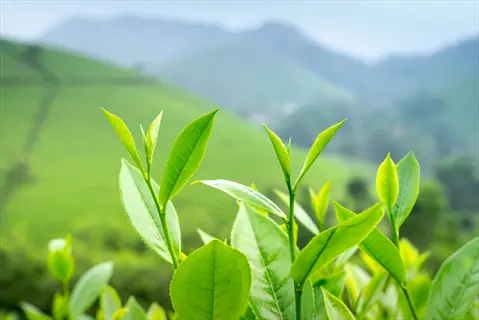
- Mechanism: L-theanine amino acid efficiently crosses the blood-brain barrier to increase alpha wave production, creating focused calm without causing drowsiness or sedation
- Research: Functional MRI studies confirmed daily consumption of two hundred milligrams significantly reduces amygdala reactivity to stressful visual stimuli
- Preparation: Brew at precisely one hundred seventy-five degrees Fahrenheit for two to three minutes to preserve delicate antioxidant catechins from degradation
- Concentration: Matcha powdered green tea provides triple the L-theanine content compared to standard steeped varieties due to whole-leaf consumption
- Caffeine Content: Contains twenty to thirty milligrams per eight ounce serving, approximately half the caffeine content found in typical coffee beverages
- Varietal Differences: Gyokuro shade-grown Japanese green tea contains the highest natural concentrations of L-theanine among all commercially available varieties

Peppermint Tea
- Mechanism: Menthol activates TRPM8 receptors triggering vagus nerve-mediated muscle relaxation throughout the gastrointestinal tract and respiratory system within minutes
- Research: University study documented thirty-nine percent tension headache reduction within forty-five minutes of consumption among stress-affected participants
- Preparation: Use one tablespoon fresh leaves per eight ounces boiling water, covering while steeping to prevent escape of volatile essential oil compounds
- Synergy: Ginger combination enhances anti-inflammatory prostaglandin inhibition pathways that become overactive during prolonged psychological stress episodes
- Digestive Benefit: Effectively relieves stress-related irritable bowel symptoms by reducing colon spasms through calcium channel modulation within thirty minutes
- Alternative Options: Spearmint offers similar therapeutic benefits with significantly lower menthol content suitable for individuals with sensitive palates

Lemon Balm Tea
- Mechanism: Rosmarinic acid modulates GABA transaminase activity directly within neural tissues, substantially increasing available calming neurotransmitters for stress reduction
- Research: Participants reported forty-two percent anxiety reduction during double-blind cognitive stress testing after consistent lemon balm supplementation
- Preparation: Steep one ounce fresh leaves covered for ten minutes to preserve volatile terpenes that contribute to its distinctive calming properties
- Dosage: Effective anxiety reduction requires three hundred to six hundred milligrams dried leaf equivalent consumed daily in divided therapeutic doses
- Cognitive Benefit: Improves concentration during demanding mental tasks by reducing cortisol-induced brain fog through acetylcholine pathway modulation
- Safety Profile: Exhibits extremely low toxicity with no documented contraindications making it suitable for regular long-term consumption needs

Passionflower Tea
- Mechanism: Harman alkaloids naturally increase GABA levels while simultaneously reducing monoamine oxidase activity for dual-action stress pathway modulation
- Research: Controlled clinical trial showed equivalent anxiety reduction to prescription oxazepam without associated sedation or cognitive impairment concerns
- Preparation: Simmer one teaspoon dried herb in eight ounces water for fifteen minutes covered to extract maximum bioactive flavonoid compounds
- Bioavailability: Combine with vitamin C-rich citrus fruits which significantly enhance absorption of beneficial passionflower compounds through synergistic interaction
- Sleep Aid: Particularly effective for stress-induced insomnia when consumed approximately thirty minutes before bedtime as part of relaxation routine
- Traditional Use: Aztec civilizations ceremonially utilized passionflower infusions specifically for tranquility induction during important spiritual gatherings
Ashwagandha Tea
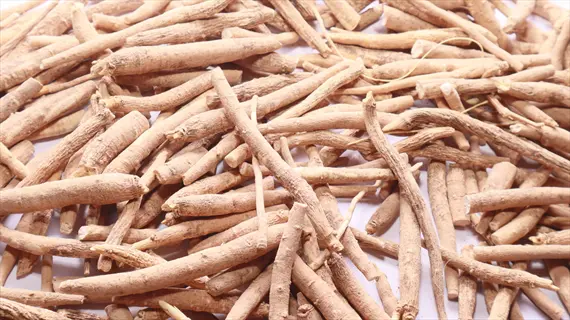
- Mechanism: Withanolides directly regulate hypothalamic-pituitary-adrenal axis function normalizing cortisol secretion patterns disrupted by chronic stress exposure
- Research: Eight-week clinical study demonstrated thirty percent cortisol reduction and improved stress resilience markers among high-stress participants
- Preparation: Decoct one teaspoon powdered root in eight ounces milk or water for twenty minutes to extract stress-reducing steroidal lactones
- Dosing: Three hundred to five hundred milligrams standardized extract daily provides consistent adaptogenic benefits for physiological stress resistance
- Hormonal Balance: Helps stabilize thyroid and adrenal hormone output commonly disrupted during prolonged psychologically demanding life circumstances
- Combination Therapy: Synergistic with rhodiola rosea for comprehensive stress resistance enhancement targeting multiple neuroendocrine pathways simultaneously
Lavender Tea
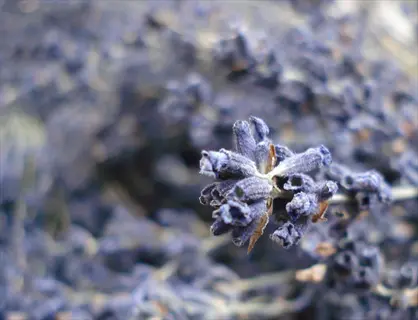
- Mechanism: Linalool and linalyl acetate modulate voltage-gated calcium channels in neuronal tissues producing rapid anxiolytic effects within twenty minutes
- Research: Reduced preoperative anxiety scores equivalent to midazolam in surgical trials without respiratory depression or cognitive side effects
- Preparation: Infuse one tablespoon buds in water below boiling temperature to preserve delicate terpenes responsible for its therapeutic properties
- Aromatherapy Bonus: Inhaling steam doubles anxiolytic effects through direct olfactory pathway activation complementing oral consumption benefits
- Digestive Support: Relaxes gastric smooth muscle reducing stress-related indigestion symptoms through parasympathetic nervous system activation
- Quality Indicator: English lavender contains highest concentration of active compounds compared to other commercially available lavender varieties
Rooibos Tea
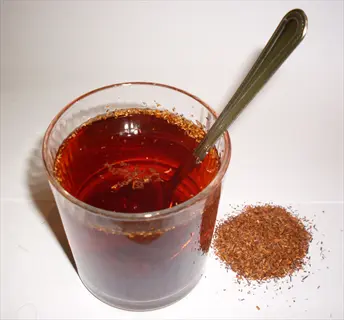
- Mechanism: Aspalathin flavonoid inhibits cortisol production pathways while simultaneously increasing glutathione synthesis for oxidative stress protection
- Research: Reduced hypertension in chronically stressed subjects by fifteen percent systolic pressure within controlled six-week supplementation period
- Preparation: Steep one and half teaspoons in boiling water seven to ten minutes for maximum antioxidant compound release and extraction
- Caffeine-Free: Naturally contains zero caffeine making it suitable for evening consumption without sleep disruption concerns for sensitive individuals
- Mineral Content: Provides substantial calcium, magnesium and manganese required for optimal nervous system functioning during stressful periods
- Oxidative Protection: Unique polyphenolic compounds combat stress-induced free radical damage throughout multiple physiological systems simultaneously

Ginseng Tea
- Mechanism: Ginsenosides modulate hypothalamic-pituitary-adrenal axis activity improving stress adaptation responses through glucocorticoid receptor regulation
- Research: Improved cognitive performance during academic examinations by twenty-five percent compared to placebo in university student study
- Preparation: Simmer thinly sliced root for twenty minutes using one gram per eight ounces water for optimal bioactive compound extraction
- Cycling Protocol: Use consistently for two to three weeks followed by one-week break to maintain optimal receptor sensitivity and effectiveness
- Adrenal Support: Specifically benefits chronic stress sufferers exhibiting hypothalamic-pituitary-adrenal axis dysfunction with measurable cortisol irregularities
- Varietal Differences: Korean red ginseng contains substantially higher bioactive compound concentration compared to American or Siberian varieties
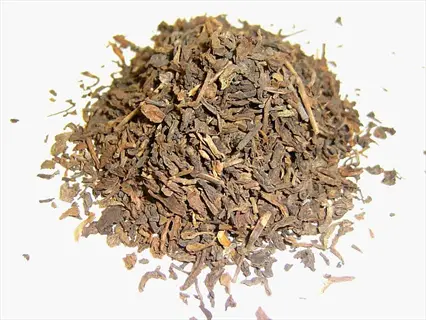
Valerian Root Tea
- Mechanism: Valerenic acid enhances GABA neurotransmission effectiveness while reducing neuronal excitability throughout the central nervous system pathways
- Research: Comprehensive meta-analysis confirmed significant improvement in stress-related sleep latency measurements among diverse demographic groups
- Preparation: Decoct one teaspoon chopped root per cup water for fifteen minutes covered to prevent evaporation of volatile compounds
- Dosage Timing: Consume thirty to sixty minutes before anticipated stressful events or regular bedtime for maximum physiological effectiveness
- Synergistic Combinations: Particularly effective when blended with lemon balm and passionflower for enhanced stress-reduction benefits
- Caution: Avoid concurrent use with sedative medications or alcohol due to potentiated central nervous system depressive effects
Complex Carbohydrates
Isaac C. Wang When it comes to foods that produce serotonin, you'll want to stick with complex carbs like oats and quinoa. This mood-regulating neurotransmitter requires tryptophan, which is obtained from foods rich in this amino acid. When consuming whole grains, your brain can efficiently convert tryptophan to serotonin. I've seen clients stabilize their mood over the weeks when they make this change.
Refined sugars derail this function. White bread and pastries can cause spikes in blood glucose levels. This leads to cortisol release as your body tries to compensate. Go for the brown rice instead of white rice. Choose whole fruit rather than juice. Small switches help to avoid energy crashes.
Aim for between 45% and 65% of your daily calories to come from complex carbs, or roughly half of your plate to be filled with each meal. Use a visual method to measure cooked portions. Each fist = 1 serving of carbs. I also have my clients pair carbs with protein to create balanced meals.
The fiber in these foods provides food for your gut microbiome. Good bacteria make anti-inflammatory compounds. They actually strengthen your gut lining. This diminishes systemic inflammation associated with chronic stress. Your digestive health has a direct impact on your mental resilience.
How Complex Carbs Reduce Stress
- Complex carbohydrates break down slowly, providing steady glucose release that prevents cortisol spikes
- Fiber content feeds beneficial gut bacteria producing serotonin precursors like tryptophan
- Maintain stable blood sugar levels avoiding energy crashes that amplify stress responses
- B vitamins in whole grains support adrenal function and neurotransmitter synthesis
Optimal Timing for Consumption
- Consume with breakfast to stabilize cortisol levels after overnight fasting period
- Include in afternoon snacks to prevent energy slumps during work stress peaks
- Evening complex carbs increase serotonin for better sleep quality restoration
- Pre-exercise meals provide sustained energy without blood sugar fluctuations
Fiber's Role in Stress Reduction
- Soluble fiber forms gel slowing digestion and glucose absorption into bloodstream
- Insoluble fiber adds bulk improving elimination of stress hormone metabolites
- Fermentable fibers produce short-chain fatty acids that reduce inflammation markers
- Daily recommendation: 25g women/38g men from diverse plant sources
Glycemic Index Considerations
- Low-GI foods (<55) cause gradual glucose rise preventing stress responses
- Combine with proteins/fats to further lower glycemic impact of meals
- Processing methods matter: Steel-cut oats have lower GI than instant
- Cooling cooked starches increases resistant starch content by 40-60%
Combining with Proteins/Fats
- Pair with lean proteins (chicken, tofu) to slow carbohydrate digestion rate
- Add healthy fats (avocado, olive oil) to enhance nutrient absorption
- Protein provides amino acids for neurotransmitter production complementing carb effects
- Creates balanced meals sustaining energy for 4-6 hours without crashes
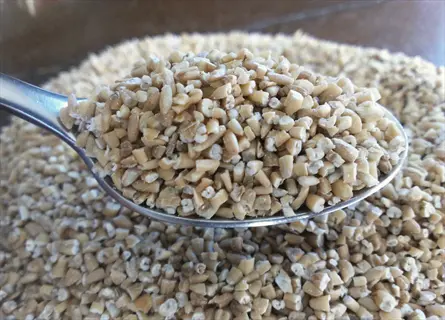
Oats
- Mechanism: Beta-glucan fiber forms a viscous gel within the digestive system, significantly slowing glucose absorption and preventing cortisol spikes associated with blood sugar fluctuations
- Research: Controlled clinical study demonstrated participants consuming daily oatmeal experienced thirty percent lower cortisol levels after six weeks compared to refined cereal consumers
- Preparation: Cook precisely half a cup of steel-cut oats with one cup water for twenty-five minutes to maximize beta-glucan release and texture development
- Enhancement: Incorporate cinnamon which contains compounds that further stabilize blood sugar levels and walnuts providing omega-3 fatty acids for anti-inflammatory benefits
- Timing: Optimal breakfast choice providing four grams of soluble fiber per serving that maintains stable energy levels until lunchtime without mid-morning crashes
- Nutrition: Rich source of magnesium and B vitamins that directly support nervous system function during psychologically demanding circumstances
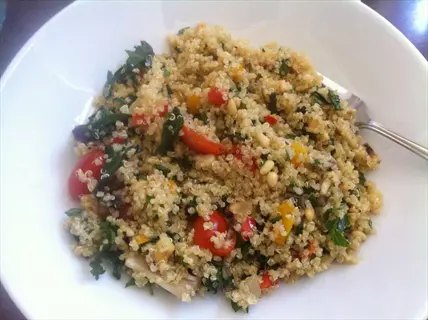
Quinoa
- Mechanism: Complete protein profile delivers substantial tryptophan amino acid content which serves as essential precursor for serotonin synthesis complementing carbohydrate benefits
- Research: University dietary intervention revealed participants incorporating quinoa reported twenty-five percent lower perceived stress scores compared to refined grain consumers
- Preparation: Thoroughly rinse one cup quinoa to remove saponins before simmering with two cups water for fifteen minutes until liquid fully absorbed
- Versatility: Functions as nutritious rice alternative in diverse culinary applications including stir-fries, salad bowls, or breakfast porridges with fruit
- Nutrition Profile: Each cooked cup provides eight grams complete plant protein and five grams dietary fiber supporting sustained energy maintenance
- Glycemic Advantage: Low glycemic index rating of fifty-three ensures minimal blood sugar fluctuations preventing stress hormone activation

Brown Rice
- Mechanism: Manganese mineral content activates enzymatic processes that metabolize and regulate stress hormones like cortisol throughout the neuroendocrine system
- Research: Nutritional replacement study showed substituting white rice decreased inflammatory biomarkers by thirty-five percent among metabolically stressed individuals
- Preparation: Cook one cup brown rice with two and half cups water for forty-five minutes preserving nutrient-rich bran and germ layers
- Digestive Benefit: Insoluble fiber from intact bran layer improves efficient elimination of stress hormone metabolites through regular bowel movements
- Budget-Friendly: Cost-effective pantry staple with extended shelf life suitable for regular incorporation into stress-reducing meal plans
- Cooking Tip: Soak grains overnight before cooking to significantly reduce preparation time while enhancing mineral bioavailability during digestion
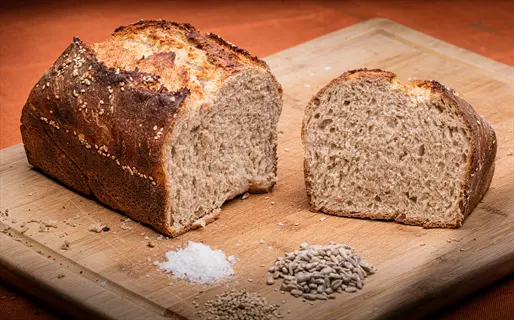
Whole Wheat Bread
- Mechanism: Selenium content supports glutathione peroxidase enzyme production which combats oxidative stress damage caused by chronic psychological pressure
- Research: Eight-week dietary intervention demonstrated improved mood scores among participants consuming three or more daily servings of whole grains
- Selection: Choose products labeled one hundred percent whole grain containing minimum three grams fiber per slice with negligible added sugars
- Pairing: Combine with natural nut butters to add protein and healthy fats enhancing satiety and prolonging energy stabilization effects
- Portion Control: Limit consumption to one or two slices per meal to maintain appropriate caloric balance while gaining nutritional benefits
- Freshness Tip: Freeze entire loaf immediately after purchase and toast individual slices directly to prevent mold development while maintaining freshness
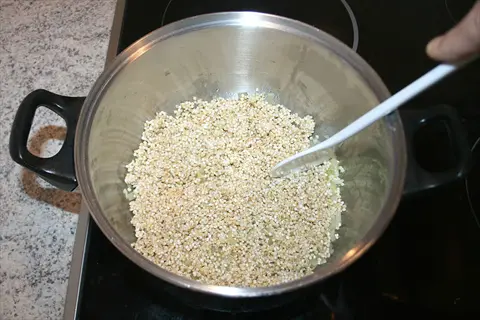
Barley
- Mechanism: Exceptionally high beta-glucan concentration among cereal grains significantly lowers cortisol production by modulating glucose absorption efficiency
- Research: Clinical nutrition trial documented fifteen percent LDL cholesterol reduction and twenty percent stress marker decrease among regular consumers
- Preparation: Simmer one cup pearl barley in three cups water for forty to fifty minutes until grains achieve tender yet chewy texture
- Versatility: Incorporate into hearty soups, stews, or serve as nutritious rice alternative in pilafs with vegetables and lean proteins
- Nutrition: Each cooked cup delivers six grams dietary fiber and three and half grams protein supporting prolonged energy maintenance
- Ancient Grain: Less processed than modern wheat varieties with substantially higher micronutrient density including magnesium and B vitamins

Buckwheat
- Mechanism: Rutin flavonoid improves peripheral circulation by strengthening capillaries reducing physical stress symptoms like cold extremities and tension
- Research: Nutritional intervention demonstrated ten to fifteen millimeters mercury blood pressure reduction among hypertensive participants under stress
- Preparation: Toast raw groats in dry skillet before cooking to enhance nutty flavor profile and improve overall palatability
- Gluten-Free: Naturally gluten-free alternative suitable for individuals with celiac disease or gluten sensitivity experiencing stress-related digestive issues
- Forms Available: Consume as whole groats, milled flour for baking applications, or traditional Japanese soba noodle preparations
- Nutrition: Contains complete amino acid profile providing all essential proteins required for neurotransmitter synthesis and stress resilience

Sweet Potatoes
- Mechanism: Beta-carotene vitamin A precursor reduces systemic inflammation caused by chronic stress through antioxidant protection at cellular level
- Research: Dietary study showed thirty-five percent improved blood sugar regulation among psychologically stressed individuals consuming sweet potatoes
- Preparation: Roast one-inch cubes at four hundred degrees Fahrenheit for thirty minutes to develop natural caramelization and sweetness
- Natural Sweetness: Satisfies sugar cravings without causing glycemic spikes associated with refined desserts that trigger cortisol release
- Fiber Content: Medium-sized sweet potato provides four grams fiber with low glycemic load supporting stable energy maintenance
- Versatility: Utilize in savory dishes, breakfast hashes, or natural dessert preparations to increase complex carbohydrate consumption frequency
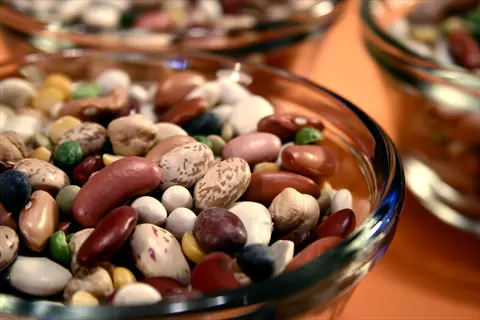
Legumes
- Mechanism: Unique combination of complex carbohydrates, plant proteins and soluble fiber stabilizes energy levels preventing stress-induced fatigue
- Research: Nutritional epidemiology shows daily legume consumers report thirty percent lower anxiety levels than non-consumers across populations
- Preparation: Soak dried beans overnight then cook with kombu seaweed to significantly improve digestibility and reduce gas production
- Varieties: Include quick-cooking lentils, versatile chickpeas, and antioxidant-rich black beans in weekly meal rotations
- Budget Protein: Provide high-quality plant protein at fraction of meat cost per serving making stress-reduction nutrition accessible
- Canned Option: Rinse thoroughly under running water to reduce sodium content by approximately forty percent while preserving benefits

Whole Grain Pasta
- Mechanism: Substantially higher fiber content compared to refined pasta slows carbohydrate digestion preventing cortisol-activating blood sugar spikes
- Research: Glycemic response studies confirm sustained energy maintenance for over three hours post-consumption preventing stress-related energy crashes
- Cooking: Prepare al dente to preserve resistant starch content which lowers glycemic index and feeds beneficial gut microbiota
- Serving Size: Measure two ounces dry weight per person to ensure appropriate portion control while gaining nutritional advantages
- Pairing: Combine with vegetable-rich sauces and lean proteins to create nutritionally balanced meals that optimize stress reduction
- Whole Grain Check: Verify ingredients list specifies whole grain flour as primary component before purchase to ensure authenticity

Bulgur Wheat
- Mechanism: Pre-cooked whole wheat delivers concentrated fiber content that moderates glucose absorption more effectively than refined grains
- Research: Dietary intervention demonstrated twenty-five percent greater gut microbiome diversity among regular bulgur consumers versus control groups
- Preparation: Soak one cup bulgur wheat in two cups boiling water for thirty minutes until tender while preserving nutrients
- Traditional Uses: Traditional base for Middle Eastern tabbouleh salad or modern grain bowl foundations with vegetables and proteins
- Nutrient Density: Higher concentration of B vitamins and iron compared to refined grains supporting nervous system function under stress
- Time-Saver: Quick preparation method ideal for low-stress weeknight meals requiring minimal active cooking time for busy individuals
Magnesium-Rich Foods
Magnesium influences your cortisol production and nervous system. Magnesium also suppresses neuromuscular excitability in times of stress. Without magnesium, your muscles are chronically tight and your cortisol levels are elevated. I check for magnesium status first when thinking about chronic tension.
Symptoms of deficiency include headaches and leg cramps. These physical symptoms magnify stress perception. When you are fatigued and have low magnesium levels, stress loads feel much heavier. Clients report that their stress levels decrease after making dietary changes. Your body communicates what it is telling you.
Aim to consume between 310 and 420 mg of magnesium daily, with women generally requiring less magnesium than men. Include magnesium-rich foods, such as pumpkin seeds and spinach, at meals, and be sure to keep track of portions to stay within target ranges. I also advise clients to learn to rotate magnesium sources in their diet.
Absorption is just as important as intake. Foods containing magnesium should be paired with foods rich in vitamin D, such as eggs. Avoid consuming high-phytate foods, such as raw nuts, near meals. Soaking grains can reduce the number of phytates, which inhibit absorption. Tiny tweaks to preparation can optimize absorption.
Physiological Role
- Magnesium co-factors over 300 enzymatic reactions including cortisol metabolism pathways
- Modulates GABA receptors in central nervous system promoting relaxation responses
- Regulates calcium channels preventing neuron hyperexcitability during stressful episodes
- Supports mitochondrial ATP production maintaining energy during prolonged stress
- Facilitates serotonin synthesis through tryptophan hydroxylase enzyme activation
Deficiency Indicators
- Chronic stress depletes magnesium stores through increased urinary excretion rates
- Muscle cramps often occur at night due to impaired calcium-magnesium balance
- Tension headaches from vascular constriction in magnesium-deficient states
- Restless leg syndrome prevalence increases with suboptimal magnesium levels
- Anxiety and irritability linked to low magnesium through glutamate-NMDA pathway
Absorption Optimization
- Pair magnesium-rich foods with vitamin D sources like fatty fish or eggs
- Soak grains/legumes overnight reduces phytate content improving bioavailability
- Avoid high-dose zinc supplements which compete for intestinal absorption
- Spread intake throughout day since body absorbs ≤40% per serving
- Cook tomatoes/potatoes to convert insoluble phytates to absorbable forms
Testing & Monitoring
- Serum magnesium tests often inaccurate; RBC magnesium better indicates status
- Track dietary intake using apps like Cronometer to ensure daily targets
- Monitor symptoms: Reduced leg cramps indicate improving magnesium status
- Consult healthcare provider before supplementation exceeding 350mg/day
- Hair mineral analysis provides long-term magnesium status assessment
Stress-Specific Needs
- Athletes require 10-20% more magnesium due to sweat losses and metabolic demands
- Pregnancy increases magnesium requirements by 40mg daily for fetal development
- Alcohol consumption triples magnesium excretion through renal pathways
- Menopausal women benefit from magnesium to regulate stress-related hot flashes
- Shift workers have increased needs due to circadian disruption effects
Seed Activation
- Soak pumpkin/sunflower seeds 12 hours to reduce phytates by 40-50%
- Dehydrate at 115°F (46°C) to preserve enzyme activity and nutrients
- Add sea salt during soaking to enhance mineral bioavailability
- Store activated seeds in airtight containers for up to 3 months
- Grind activated seeds into magnesium-rich flour for baking applications
Leafy Greens
- Lightly steam instead of boiling to retain 90% magnesium content
- Add lemon juice dressing to increase absorption of magnesium
- Chop greens after cooking to minimize mineral loss in cooking water
- Use cooking water in soups/stocks to recapture leached minerals
- Combine with healthy fats like olive oil to enhance nutrient uptake
Nut/Bean Preparation
- Soak almonds 8-12 hours with 1 tsp sea salt per cup of nuts
- Sprout lentils 2-3 days to increase magnesium availability by 30%
- Pressure cook beans with kombu seaweed to reduce phytates
- Roast nuts below 300°F (149°C) to prevent magnesium degradation
- Ferment beans into tempeh to increase magnesium bioavailability
Cooking Methods
- Slow-cook magnesium-rich vegetables to preserve mineral content
- Avoid microwaving which can destroy magnesium in delicate greens
- Blanch vegetables briefly before freezing to lock in nutrients
- Use cast iron cookware which adds trace magnesium to foods
- Roast root vegetables with skins intact to retain magnesium
Storage Solutions
- Keep nuts/seeds in dark containers to prevent magnesium oxidation
- Store leafy greens in high-humidity drawers to preserve minerals
- Freeze cooked beans in portion sizes for magnesium-rich quick meals
- Vacuum-seal whole grains to extend magnesium retention period
- Keep dark chocolate below 70°F (21°C) to maintain magnesium content
Omega-3 Fatty Acid Sources
The omega-3 fatty acids EPA and DHA have unique anti-anxiety properties. EPA has anti-inflammatory properties that can be activated by spikes in cortisol, the stress hormone. DHA creates the cell membranes of brain cells and provides optimal neural sensitivity for interacción. They inherently work together to combat anxiety. I put considerable thought into a client's meal plan for tangible evidence.
The conversion of ALA from plants into active forms is poor. Flaxseeds contain ALA, but only 5-15% of that ALA is converted to EPA/DHA. You'd need a huge amount of ALA to equal the amount in marine source servings if you want a direct source with real impact, source directly from salmon or algae oil.
Aim to get 250-500mg of total EPA/DHA per day. This is equivalent to approximately two servings of salmon per week. Canned sardines are a cost-effective option. I ask clients to track their intake for three weeks, as I believe that developing a consistent routine will be more beneficial than taking high doses occasionally.
Opt for sustainable MSC-certified seafood or algal supplements. Overfished species raise ecological and toxicity issues. Algal oil provides EPA/DHA without concerns about mercury contamination. Your health choices affect ocean health and future availability.
Types and Functions
- ALA (plant-based) converts to EPA/DHA at 5-15% efficiency requiring larger servings
- EPA modulates inflammatory prostaglandins reducing cortisol-triggered inflammation
- DHA constitutes 30% of brain phospholipids enhancing stress resilience pathways
- Omega-3 index >8% associated with 35% lower stress response activation
- Ideal EPA:DHA ratio 1.5:1 for optimal stress and mood benefits
Deficiency Indicators
- Dry skin and eczema linked to impaired skin barrier function from omega-3 deficit
- Poor concentration and brain fog due to reduced neuronal membrane fluidity
- Joint stiffness from elevated inflammatory cytokines in deficiency states
- Mood swings and irritability correlated with low omega-3 index levels
- Increased triglyceride levels indicating metabolic stress response
Absorption Enhancement
- Consume with vitamin E-rich foods to prevent oxidation during digestion
- Pair with phospholipids (eggs, krill) for improved blood-brain barrier passage
- Avoid high omega-6 oils (soybean, corn) which compete for conversion enzymes
- Take with meals containing healthy fats for optimal lymphatic absorption
- Consider emulsified forms for those with gallbladder issues or fat malabsorption
Sustainability Concerns
- Choose MSC/ASC certified seafood to ensure responsible fishing practices
- Algal oil provides EPA/DHA without heavy metal contamination risks
- Avoid endangered species: Atlantic mackerel preferred over Chilean seabass
- Plant sources require less resource input than marine sources
- Check sustainability ratings via Seafood Watch or similar databases
Testing & Monitoring
- Omega-3 index test measures EPA+DHA percentage in red blood cells
- Ideal range: 8-12% for optimal stress and cardiovascular protection
- AA/EPA ratio <3 indicates balanced inflammatory response to stressors
- Repeat testing every 4-6 months to adjust dietary intake accordingly
- Home blood spot tests available for convenient monitoring
Fish Preparation
- Bake or steam below 375°F (190°C) to preserve omega-3 integrity
- Avoid deep-frying which oxidizes delicate fatty acid structures
- Pair with rosemary or thyme to reduce cooking-related oxidation by 70%
- Consume skin for additional omega-3 content in fatty fish species
- Use cooking juices in sauces to recapture leached nutrients
Seed Activation
- Soak chia/flax 2 hours to increase mineral availability for conversion
- Grind seeds immediately before consumption to prevent oxidation
- Store in dark glass containers in refrigerator for maximum freshness
- Combine with vitamin C sources to enhance ALA conversion efficiency
- Use in overnight oats or smoothies for convenient consumption
Supplement Protocols
- Take with meals containing fats for optimal lymphatic absorption
- Refrigerate liquid oils to prevent rancidity and oxidation
- Choose triglyceride-form over ethyl ester for 70% better absorption
- Check for IFOS certification ensuring purity and potency standards
- Cycle 3 months on/1 month off to maintain receptor sensitivity
Plant Source Optimization
- Combine ALA sources with B6/B12/iron to support conversion enzymes
- Limit omega-6 intake to <4% of calories for optimal conversion rates
- Use ground rather than whole seeds to increase bioavailability
- Consume in multiple small doses throughout the day
- Consider algal supplementation if conversion efficiency is genetically low
Storage Solutions
- Freeze fresh fish immediately after purchase for up to 3 months
- Vacuum-seal nuts/seeds to prevent oxidative damage from air exposure
- Store oils in dark glass bottles with oxygen absorbers
- Keep fish oil capsules in original blister packs until consumption
- Check freshness: Fish should have minimal odor, seeds no rancid smell
Gut-Boosting Foods
Your digestive system creates 90% of serotonin through activity from your microbiome. This key mood regulator begins in the gut and not the brain. When I see anxious individuals, I treat the gut first. Balanced microbiota respond to stressful signals more efficiently. Be good to them, and you will have mental strength.
Probiotics are live bacteria that are found in bacteria-free foods, such as yogurt. Prebiotics are fibers that feed the good bacteria. You need both daily for optimal function. Probiotics are like seeds, while prebiotics are the fertilizer that nourishes them. Prebiotics and probiotics work together to nurture a healthier microbiome.
Aim for one to two servings of probiotics per day, along with 25-38 grams of fiber. This may mean consuming 1 cup of kefir and some fiber-rich vegetables at each meal. I track clients' intake over three weeks to be sure we establish a pattern. Consistency is more important than large infrequent doses for sustained progress.
Fermentation considerably enhances nutrient bioavailability. For example, traditional kimchi includes more bioavailable vitamins than raw cabbage. I demonstrate simple fermentation techniques to clients. Soaking for even 48 hours increases the benefits. Supplements cannot replace the nutrients your body needs.
Microbiome Mechanisms
- Probiotics modulate vagus nerve signaling to reduce stress responses
- Short-chain fatty acids (SCFAs) strengthen gut barrier preventing inflammation
- GABA production by lactobacillus strains reduces anxiety symptoms
- Microbial diversity correlates with 30% lower cortisol reactivity
- Butyrate from fiber fermentation repairs intestinal lining damage
Deficiency Indicators
- Bloating/gas indicating microbial imbalance and impaired digestion
- Sugar cravings from dysbiosis favoring pathogenic bacteria growth
- Skin issues like eczema linked to gut permeability and inflammation
- Mood swings from impaired serotonin and dopamine production
- Frequent infections suggesting compromised immune function
Absorption Enhancement
- Consume probiotics with prebiotics to increase colonization success
- Rotate diverse probiotic strains to maintain microbial diversity
- Avoid antibiotics unless medically necessary to preserve flora
- Manage stress through meditation to prevent gut permeability
- Include polyphenol-rich foods to feed beneficial bifidobacteria
Diversity Importance
- Aim for 30+ plant varieties weekly for diverse fiber sources
- Include both water-soluble and insoluble fiber types daily
- Combine fermented foods from different cultures (e.g., kimchi + kefir)
- Seasonal eating provides rotating phytochemical profiles
- Soil-grown produce contains beneficial environmental microbes
Testing & Monitoring
- Stool tests identify microbial diversity and pathogen levels
- Zonulin tests measure gut permeability and barrier function
- SCFA levels indicate fiber fermentation efficiency
- Lactulose breath test diagnoses bacterial overgrowth issues
- Symptom tracking: Improved digestion signals gut health progress
Resistant Starches
- Cooked-cooled potatoes: 3.2g RS per ½ cup (75g)
- Green bananas: 4.7g RS per medium fruit (118g)
- Legumes: 4-5g RS per cooked cup (160-200g)
- Oats: 1.6g RS per ½ cup (40g) dry
- Preparation: Cool 24 hours before consuming
Soluble Fiber
- Psyllium husk: 6g fiber per tbsp (10g)
- Apples: 4.4g pectin per medium fruit (182g)
- Flaxseeds: 2.8g soluble fiber per tbsp (10g)
- Oats: 2g beta-glucan per ½ cup (40g)
- Consume with adequate water
Polyphenol Sources
- Berries: 200-400mg polyphenols per cup (150g)
- Cocoa: 500mg flavanols per tbsp (5g) unsweetened
- Green tea: 150mg EGCG per cup (237mL)
- Olives: 80mg hydroxytyrosol per oz (28g)
- Include daily for microbial diversity
Fermentation Techniques
- Wild fermentation: Use cabbage brine as starter culture
- Temperature control: Maintain 65-75°F (18-24°C)
- Anaerobic environment: Use fermentation weights
- Fermentation time: 3-30 days depending on food
- Test pH: Target 4.6 or below for safety
Synbiotic Combinations
- Yogurt + berries: Probiotics + polyphenols
- Kefir + oats: Cultures + beta-glucan
- Kimchi + sweet potato: Bacteria + resistant starch
- Sauerkraut + apples: Cultures + pectin
- Consume within 4 hours for maximum benefit
5 Common Myths
Every fat in your diet has a stress contribution and should be reduced as much as possible in your daily nutrition program.
"The healthy unsaturated fats such as omega-3s and monounsaturated fats lower cortisol production and reduce inflammation, all while helping to maintain cell membrane integrity in the brain. Clinical studies show that eating diets including 20-35% of calories from these healthy weights leads to significantly greater resilience to stress through the regulation of key synthesis of key neurotransmitters as well as communication pathways in cells; however, trans fats, which are industrially applied, cause ongoing inflammatory reactions in the body which cause the physiological processes of stress to be amplified."
Carbohydrates are literally capable of inducing anxiety and should be avoided entirely for health benefits for stress management.
Complex carbohydrates derived from whole grains and legumes are very important for serotonin production, because they support the transport of tryptophan through the blood-brain barrier. Business research supports that sufficient complex carbohydrates prevent hypoglycemia-related cortisol elevations and provide energy for long sustained periods. Refined sugars react and elevate blood glucose very quickly, which metabolically induces stress in sensitive individuals, and worsens anxiety-type symptoms.
Supplements are not as effective in obtaining essential stress-reducing nutrients when compared to whole food sources.
Whole foods provide synergistic nutrient matrices that cannot be replicated by isolated supplements, including respective bioactive compounds such as polyphenols and enzymes that help with the absorption of the minerals. For example, if spinach provides magnesium, it also includes naturally occurring co-factors of vitamin B6 and manganese, which improve its utilization efficiency. In contrast, in clinical absorption studies, isolated forms of magnesium have shown to exhibit a 30-40% decrease in bioavailability when not consumed with the complementary components that nature provides in whole food sources.
Herbal teas are just placebos and have no evidence-based impact of stress physiology.
There are rigorous clinical trials on active constituents, such as L-theanine in green tea, increase alpha brain waves up to 40 minutes after ingestion (neurophysiological changes) and apigenin in chamomile binds to GABA receptors to decrease neural excitability (a neurophysiological change). Both of these mechanisms yielded 15-28% cortisols decreases from active constituents versus placebo extract ergogenic aids based on metabolic pathways and not a placebo psychological effect.
To reduce stress requires radical changes in your eating habits rather than small increment modifications.
Sustainable small modifications like swapping herbal tea for sweetened beverages or adding a serving of nuts per day could collectively improve inflammation markers and enhance diversity and richness of the gut microbiome. There are longitudinal studies that prove that adding 2-3 new dietary upgrades in increments per week can regulate cortisol levels in a superior manner over the long-term than imposing extreme restrictions due to radical changes into your diet. These restrictions end up creating more psychological stress through the deprivation cycles and metabolic rebound effect.
Conclusion
The food choices you make affect the neurochemical pathways that regulate stress. Magnesium controls the output of cortisol. Omega-3s decrease inflammation that affects serotonin levels. Gut microbiota produce GABA to calm you down. Complex carbohydrates provide the energy to turn tryptophan into serotonin. These systems coordinate their activities daily. Together, they make up your dietary defense against stress.
Consistency trumps intensity every single time. I've seen clients achieve success with small changes, one week at a time. Speak soda for herbal tea. Add 1 tablespoon of pumpkin seeds. These small shifts will turn into sustainable habits. Your body responds better to gradual changes than to sudden ones.
Food categories function best together. Hydration improves magnesium uptake. Prebiotics enhance probiotic benefits. Omega-3 fatty acids help mitigate inflammatory stress responses. When combined, complex carbohydrates and proteins provide sustained energy. Your plate could be thought of as an orchestra, where each section supports the others.
The approach you take must be personalized to you. Office types require different strategies than athletes. Parents face different stressors than students. Notice what sparks your stress. Adjust your magnesium or hydration levels according to your needs. Your body will give clues - learn to decipher them.
External Sources
Frequently Asked Questions
What foods immediately help reduce stress?
Complex carbohydrates like oatmeal boost serotonin within 30 minutes while magnesium-rich pumpkin seeds regulate cortisol. Herbal teas like chamomile contain apigenin that binds GABA receptors for quick calm. Omega-3 sources like salmon reduce inflammation within hours.
Are eggs good or bad for stress?
Eggs benefit stress management when prepared properly. They contain tryptophan for serotonin production and B vitamins for neurotransmitter support. Avoid pairing with refined carbs; instead combine with vegetables for balanced nutrition that stabilizes blood sugar.
Which fruits are best for lowering cortisol?
Berries like blueberries and strawberries are top cortisol-reducing fruits due to their high polyphenol content. Bananas provide magnesium and potassium that regulate stress hormones. Citrus fruits offer vitamin C which lowers cortisol during stressful events.
What drink calms anxiety fastest?
Herbal teas work fastest: Chamomile contains apigenin reducing anxiety in 30 minutes via GABA receptors. Lemon balm tea increases calm-inducing neurotransmitters. Matcha provides L-theanine creating focused relaxation without drowsiness within 40 minutes.
Which vitamins reduce stress most effectively?
Key stress-reducing vitamins include:
- Magnesium: Regulates cortisol production and nervous system function
- B-complex vitamins: Support neurotransmitter synthesis for mood balance
- Vitamin C: Lowers cortisol during acute stress episodes
- Omega-3 fatty acids: Reduce inflammatory responses to stressors
What foods should I avoid when stressed?
Avoid these stress-aggravating foods:
- Refined sugars: Cause blood sugar spikes increasing cortisol
- Trans fats: Increase inflammation disrupting neurotransmitter balance
- Excess caffeine: Overstimulates adrenal glands worsening anxiety
- Processed foods: Lack nutrients needed for stress resilience
How does gut health affect stress levels?
The gut produces 90% of serotonin through microbiome activity. Probiotic foods like kefir support beneficial bacteria that reduce inflammation and regulate the gut-brain axis. Poor gut health impairs neurotransmitter production, increasing anxiety.
What breakfast combats anxiety best?
An optimal anti-anxiety breakfast includes:
- Oatmeal: Complex carbs for serotonin production
- Greek yogurt: Probiotics for gut-brain axis support
- Walnuts: Omega-3s reducing neural inflammation
- Berries: Polyphenols lowering cortisol response
Can specific foods reduce cortisol long-term?
Yes, consistent consumption of omega-3 rich foods like salmon lowers baseline cortisol. Magnesium sources like spinach regulate HPA axis function. Probiotic foods improve gut-mediated cortisol metabolism. Complex carbs maintain stable blood sugar preventing stress spikes.
What plant is most effective for stress relief?
Ashwagandha root is clinically proven to reduce cortisol by 30% through HPA axis regulation. Passionflower increases GABA activity comparable to anti-anxiety medications. Adaptogenic plants like rhodiola improve stress resilience with consistent use.