Intellectual Wellness: Essential Mastery

Written by
Robert Kelly
Reviewed by
Prof. Benjamin Murphy, Ph.D.Intellectual wellness promotes cognitive resilience through lifelong learning and mental challenges.
Make time management a priority to help focus and decrease decision fatigue.
Being in nature 16% increases creative thinking and then reduces stress.
Creative hobbies such as painting build neuroplasticity and problem solving.
Critical thinking actively disengages from cognitive distortions and build emotional resilience.
The practice of applying knowledge allows you to complete a learning cycle and create an impact.
Article Navigation
Intellectual wellness means stimulating your mind and actively seeking challenges, whether through your formal education or independent pursuits. It means to always learn new things just for the sake of knowledge, exercising your brain, and keeping it flexible. You are training to become a better thinker.
You derive more satisfaction from your life when you exercise your intellectual wellness daily. Problems at work or in your personal lives can be solved with clearer and quicker thinking. You also build up your mental fitness to tackle challenges and issues that arise from continuous learning. In that way, your consciousness acts more efficiently under other circumstances.
Even your physical health reaps the rewards of intellectual wellness. Regular brain engagement is associated with lower stress levels. We are emotionally healthier when we think through our experiences.
Time Management Tips
Each morning, review your to-do list and rank the tasks. What's truly important? What's more important than the other things? Create a simple list with the most urgent items at the top, followed by the secondary items in order. This can cut mental clutter in half before you've even started your day. You know where to put your energy.
Establish clear boundaries around your learning time. Please let your peers know that you will be unavailable during your scheduled learning times. Defend these times like you would an essential meeting. Repetition of practice leads to neuroplasticity where the brain pathways begin to strengthen over the course of several weeks.
Plan short, intense activities for your mental work. You can use 20-minute blocks to read or solve problems. Practicing these shorter activities regularly usually prevents mental fatigue. You will stay mentally fresh during busy times.
Reduce unnecessary commitments with a straightforward system. Whenever you're asked to take on a request of some sort, review it against your own priorities before deciding whether to agree. When something doesn't meet your criteria, say no, unequivocally. This discipline preserves valuable mental energy for the things that truly matter to you.
Nature and Exploration
Spending time outdoors is a powerful cognitive reset for our busy brains. Natural environments reduce stress hormones and allow our minds to clear. This fresh state immediately enhances our brain's well-being. After exposure to green, our brains get more bang for the buck!
New contexts stimulate novel patterns of thinking automatically. For instance, it could be unfamiliar streets or woodland paths, which ignite the creative networks. They will engage brain regions and connective pathways that seldom get activated. After immersing yourself in a new context, you'll find that original solutions will bubble up on their own.
Observing patterns in nature's design is an exercise in thinking. Noticing how leaves turn and how clouds swirl are the shed skins of analysis. The exercises strengthen your thinking muscles and should help you solve problems at work and at home. The trick is that you will find it easier to detect a trend on paper when it has been previously mapped in nature.
Regular exposure to outdoor environments enhances neuroplasticity in measurable ways. Natural environments are rich in varied sensory information pathways for the brain to develop. Having different kinds of information allows robust networks to build within our brains over time. Consequently, your mind adapts faster to changes.
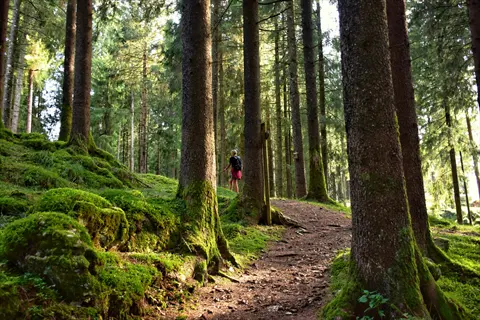
Forest Bathing
- Fact: Spending extended periods among trees reduces cortisol levels by approximately 16% based on multiple physiological studies examining stress markers
- Fact: Natural environments engage the brain's involuntary attention system allowing directed attention resources to replenish and restore cognitive capacity
- Fact: Phytoncides released by evergreen trees enhance immune function while simultaneously reducing measurable mental fatigue indicators during cognitive testing
- Fact: The fractal patterns in natural landscapes provide visual complexity that promotes relaxation and boosts creative problem-solving abilities substantially
- Fact: Multi-sensory forest experiences integrate auditory, olfactory and tactile stimuli creating neural pathways that enhance sensory processing capabilities
- Fact: Regular forest exposure correlates with improved working memory performance and heightened pattern recognition skills in longitudinal research studies

Urban Exploration
- Fact: Navigating unfamiliar urban environments develops spatial reasoning and adaptive decision-making skills through constant environmental assessment challenges
- Fact: Architectural diversity stimulates pattern recognition abilities by presenting varied structural designs requiring continuous visual processing and analysis
- Fact: Street navigation demands working memory engagement through dynamic route planning and obstacle avoidance in changing pedestrian environments
- Fact: Public art installations provide visual metaphors that stimulate abstract thinking and conceptual connections during urban exploration activities
- Fact: Neighborhood cultural variations expose explorers to diverse perspectives enhancing cognitive flexibility and cultural intelligence development
- Fact: Urban soundscapes train selective attention by requiring filtering of relevant auditory information from complex ambient noise backgrounds

Botanical Gardens
- Fact: Plant biodiversity exposure increases cognitive flexibility through sensory integration exercises across visual, olfactory and tactile domains
- Fact: Color variations in floral displays trigger dopamine release enhancing creative cognition and innovative thinking capabilities measurably
- Fact: Microclimate changes between garden zones provide natural biofeedback training opportunities for developing sensory awareness and mindfulness
- Fact: Taxonomic organization systems in gardens teach classification skills and hierarchical thinking through observable plant family groupings
- Fact: Seasonal bloom cycles demonstrate natural patterns that strengthen sequential reasoning and predictive analysis abilities over time
- Fact: Rare plant specimens challenge existing knowledge frameworks encouraging intellectual humility and openness to novel information

Coastal Walks
- Fact: Rhythmic wave patterns induce meditative brain states that synchronize neural oscillations enhancing mental clarity and focus duration
- Fact: Negative ions from ocean spray increase oxygen absorption improving mental alertness and information processing speed significantly
- Fact: Horizon gazing exercises expand peripheral vision capacity training attentional breadth beyond narrow focused concentration parameters
- Fact: Tidal zone exploration provides dynamic problem-solving scenarios requiring adaptation to changing conditions and unpredictable elements
- Fact: Coastal soundscapes with crashing waves create pink noise environments known to enhance memory consolidation during learning activities
- Fact: Sand texture variations underfoot stimulate proprioceptive feedback systems improving bodily awareness and mind-body connection cognition

Mountain Hiking
- Fact: Altitude variations challenge respiratory adaptation improving oxygen utilization efficiency and cardiopulmonary cognitive enhancement markers
- Fact: Navigating uneven terrain develops proprioception and strategic movement planning skills through constant environmental assessment demands
- Fact: Panoramic vistas activate visual processing centers enhancing spatial awareness and perspective-taking abilities during summit experiences
- Fact: Elevation gains create physiological stress responses that build cognitive resilience when managed through paced progression techniques
- Fact: Alpine ecosystems demonstrate ecological interdependencies teaching systems thinking through observable plant-animal-environment relationships
- Fact: Weather pattern observation during ascents develops predictive reasoning skills through atmospheric condition interpretation practice

Wildlife Observation
- Fact: Species identification exercises develop attention to detail and comparative analysis skills through visual differentiation practice
- Fact: Animal behavior tracking enhances pattern recognition abilities by identifying sequences in movement and social interactions
- Fact: Bird song differentiation trains auditory processing skills and selective attention capabilities in complex sound environments
- Fact: Migration pattern observation teaches seasonal reasoning and spatial mapping skills through longitudinal movement tracking
- Fact: Habitat assessment develops ecological awareness by connecting species needs to environmental conditions and resource availability
- Fact: Ethical observation guidelines foster patience and respect while training impulse control during wildlife encounters

Stargazing
- Fact: Constellation identification develops spatial reasoning through celestial navigation and three-dimensional pattern recognition exercises
- Fact: Astronomical event tracking teaches temporal reasoning and predictive modeling skills based on orbital mechanics principles
- Fact: Light pollution awareness demonstrates human environmental impact while training comparative observation skills across locations
- Fact: Telescope use develops technical proficiency and precise motor control through equipment manipulation and calibration practice
- Fact: Cosmic scale contemplation fosters abstract thinking about time, space and humanity's place in universal structures
- Fact: Astrophotography integrates technical and artistic skills requiring patience, planning and attention to atmospheric conditions

Geological Exploration
- Fact: Rock identification develops classification skills through mineral composition analysis and structural characteristic observation
- Fact: Stratigraphic examination teaches temporal reasoning by interpreting geological history through layer sequencing and deposition patterns
- Fact: Fossil discovery connects biological and earth sciences through tangible evidence of evolutionary processes and extinction events
- Fact: Landform analysis develops spatial reasoning by interpreting erosion patterns and tectonic movement visible in landscapes
- Fact: Mineral testing procedures train systematic observation and hypothesis testing through controlled physical property examinations
- Fact: Geological mapping integrates spatial, observational and recording skills creating comprehensive representations of terrain features
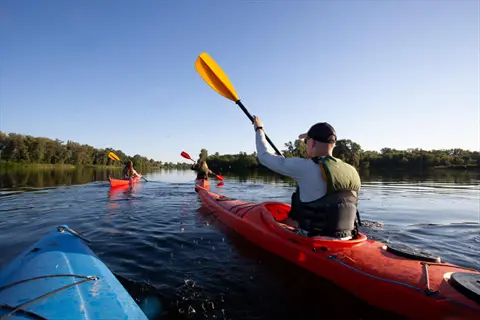
Aquatic Exploration
- Fact: Water current navigation develops fluid dynamics understanding through paddle technique and boat positioning adjustments
- Fact: Marine life observation enhances biodiversity appreciation while training identification skills in dynamic aquatic environments
- Fact: Tidal pattern recognition teaches cyclical reasoning and predictive modeling based on lunar phase observations
- Fact: Underwater ecosystems demonstrate interconnected relationships enhancing systems thinking through visible food web structures
- Fact: Buoyancy control develops kinesthetic awareness and physical coordination during submerged movement activities
- Fact: Water quality assessment connects environmental science to daily life through measurable parameter testing and interpretation

Agricultural Exploration
- Fact: Crop rotation observation teaches systems thinking through visible soil management and pest control relationships
- Fact: Harvest timing prediction develops seasonal reasoning based on plant growth stages and weather pattern analysis
- Fact: Soil examination enhances material science understanding through texture, composition and nutrient level assessments
- Fact: Irrigation system understanding demonstrates engineering principles applied to natural resource management challenges
- Fact: Plant growth tracking develops patience and longitudinal observation skills through daily change documentation
- Fact: Farm-to-table connections build understanding of food systems while enhancing appreciation for agricultural processes
Creative Hobbies to Explore
Creative activities, such as painting, can initiate the visual processing portions of your brain while fine-tuning your fine motor skills. When you're mixing colors, for instance, you're engaging in problem-solving skills, predicting how pigments will interact with each other. All levels of artists will know that an immediate cognitive experience follows a focused creative session.
Musical composition builds pattern recognition through rhythm and melody creation. Arranging notes across instruments develops planning skills. This process enhances auditory processing while strengthening neural connections through repeated practice.
Working with clay in pottery and sculpting develops spatial reasoning as you shift mental images into 3D forms. Clay offers tactile contact that facilitates knowledge and helps develop sensory awareness. Engaging in these processes is an excellent way to build neuroplasticity because they stimulate multiple regions of the brain to work together simultaneously.
Photography teaches the analysis of light and the principles of compositional balance. Framing shots exercises decision-making under constraints. These visual skills transfer directly to evaluating situations and identifying solutions in daily challenges.
Painting and Drawing
- Fact: Color mixing exercises systematically develop visual-spatial reasoning capabilities through understanding pigment interaction principles and light reflection properties across various media types
- Fact: Perspective drawing techniques strengthen geometric comprehension through vanishing point calculations and dimensional scaling practice across different spatial arrangements
- Fact: Precise brushstroke control enhances fine motor coordination by requiring carefully synchronized hand movements with continuous visual feedback during application
- Fact: Composition planning trains executive function through sequential decision-making about element placement and visual balance considerations within defined parameters
- Fact: Artistic style experimentation actively fosters cognitive flexibility by encouraging adaptation of diverse techniques and visual languages across projects
- Fact: Emotional expression through imagery develops emotional intelligence by translating complex feelings into symbolic visual representations that communicate effectively
Creative Writing
- Fact: Narrative construction rigorously exercises working memory through detailed character development tracking and plot continuity management across multiple story arcs
- Fact: Metaphor creation enhances abstract thinking capabilities by drawing meaningful connections between unrelated concepts through symbolic representation systems
- Fact: Dialogue writing improves theory of mind by requiring perspective-taking and intentional communication style adaptation between different character voices
- Fact: Editing processes systematically develop critical analysis skills through structural evaluation and concise expression refinement techniques across drafts
- Fact: Genre experimentation builds cognitive adaptability by mastering different literary conventions from poetry to technical writing formats effectively
- Fact: Descriptive language use expands sensory awareness through detailed observation practices and precise verbal translation of sensory experiences
Musical Composition
- Fact: Melodic development trains pattern recognition abilities through phrase repetition and variation techniques within established harmonic frameworks and structures
- Fact: Rhythm programming enhances temporal processing accuracy by synchronizing complex beat divisions and syncopation patterns across multiple instrumental layers
- Fact: Harmonic progression understanding builds mathematical cognition through detailed frequency ratio analysis and overtone relationship mapping exercises
- Fact: Arrangement skills develop comprehensive systems thinking by balancing instrumental textures and dynamic intensity across entire song structures
- Fact: Improvisation exercises significantly boost cognitive flexibility through real-time melodic generation within established musical parameters and constraints
- Fact: Emotional tonality manipulation fosters emotional intelligence by translating affective states into nuanced auditory expressions and musical gestures
Pottery and Sculpting
- Fact: Clay manipulation enhances proprioceptive awareness through constant pressure feedback between hands and malleable material during forming processes
- Fact: Three-dimensional planning develops spatial visualization skills by translating mental images into physical forms viewed from multiple angles simultaneously
- Fact: Glaze chemistry understanding builds scientific reasoning through mineral interaction predictions at various kiln temperatures during firing cycles
- Fact: Structural integrity considerations teach physics principles via detailed weight distribution analysis and gravitational force management strategies
- Fact: Surface texture creation refines tactile discrimination through controlled tool mark variation and relief pattern development techniques
- Fact: Kiln loading strategies improve logistical planning capabilities by optimizing spatial utilization and heat circulation requirements systematically
Photography
- Fact: Composition framing exercises visual analysis proficiency through rule-of-thirds application and dynamic balance assessment in diverse environments
- Fact: Lighting mastery develops physics understanding via accurate light behavior prediction under changing environmental conditions and times of day
- Fact: Depth of field control teaches optical principles through precise aperture adjustments and focal plane management across distances
- Fact: Color theory application enhances chromatic discrimination by manipulating hue relationships and white balance settings for visual harmony
- Fact: Storytelling sequencing builds narrative cognition through thematic image arrangement and visual continuity planning in series
- Fact: Technical troubleshooting improves problem-solving abilities via equipment limitation navigation and creative constraint adaptation methods
Benefits of Intellectual Wellness
According to research, strong intellectual wellness can enhance the speed at which your brain processes information by up to 25 percent. Learning helps strengthen neural pathways, and as a result, you will find yourself making quicker decisions throughout the day and solving problems more efficiently in real-life situations.
Consistent mental exercise increases gray matter density in your prefrontal cortex, which is responsible for executive functions such as planning and self-control. Consequently, you will manage complex projects more effectively and be better able to resist distractions.
Cognitive activities significantly reduce the levels of stress hormones, including cortisol. These activities stimulate your thinking brain, which calms the biological response to emotional triggers. You will respond and manage stress differently in both your personal and working environments when you approach issues calmly.
Neuroplasticity advancements allow your brain to adjust to technology more quickly. Creating new neural connections simplifies the learning process. You're able to learn new software or new skills at work with less frustration and more confidence.
Enhanced Cognitive Processing
- Fact: Stimulating mental activities increase gray matter density in prefrontal cortex regions responsible for executive function and decision-making capabilities
- Fact: Regular cognitive challenges strengthen neural pathways improving information processing speed by up to 25% according to longitudinal studies
- Fact: Neuroplasticity enhancement allows faster adaptation to new technologies and concepts through efficient neural network reorganization
- Fact: Working memory capacity expands significantly enabling simultaneous management of multiple complex tasks without performance degradation
- Fact: Pattern recognition abilities improve dramatically through synaptic pruning that optimizes neural connections for efficient data interpretation
- Fact: Cognitive reserve development provides buffer against age-related decline delaying onset of memory issues by approximately 7 years
Emotional Resilience
- Fact: Intellectual engagement regulates amygdala activity reducing emotional reactivity by enhancing prefrontal cortex oversight of emotional responses
- Fact: Critical thinking skills decrease cognitive distortions lowering anxiety levels by objectively evaluating stressful situations
- Fact: Creative expression provides emotional outlet reducing cortisol production by 15-20% during challenging circumstances
- Fact: Learning new skills increases dopamine sensitivity enhancing motivation and pleasure response to accomplishment experiences
- Fact: Perspective-taking exercises improve emotional intelligence through enhanced understanding of diverse viewpoints and experiences
- Fact: Problem-solving practice builds stress tolerance by reframing obstacles as manageable challenges rather than threats
Improved Physical Health
- Fact: Cognitive stimulation increases cerebral blood flow by 20-35% improving oxygen delivery and nutrient supply to brain tissues
- Fact: Intellectual engagement reduces inflammation markers like C-reactive protein contributing to overall systemic health improvement
- Fact: Learning new physical skills enhances neuromuscular coordination preventing age-related motor function decline substantially
- Fact: Mental exercises improve sleep quality by regulating circadian rhythms and reducing nighttime cognitive arousal patterns
- Fact: Cognitive activities boost immune function through mind-body connections demonstrated in psychoneuroimmunology research findings
- Fact: Intellectual curiosity correlates with healthier lifestyle choices including nutrition awareness and preventive healthcare utilization
Social Connection
- Fact: Intellectual discussions activate mirror neuron systems enhancing empathy and understanding during social interactions significantly
- Fact: Knowledge sharing builds social capital through reciprocal learning exchanges that strengthen community bonds measurably
- Fact: Cultural exploration reduces implicit biases by 30-40% through exposure to diverse perspectives and lived experiences
- Fact: Group learning activities synchronize brainwave patterns among participants creating shared understanding and cooperative dynamics
- Fact: Intellectual humility developed through learning challenges improves conflict resolution skills during disagreements substantially
- Fact: Knowledge application in community settings creates purpose-driven connections that combat loneliness and isolation effectively
Professional Advancement
- Fact: Continuous learning increases neurogenesis in hippocampus regions essential for memory formation and knowledge retention
- Fact: Cognitive flexibility developed through diverse learning enables faster adaptation to workplace changes and innovations
- Fact: Critical analysis skills improve decision accuracy by reducing confirmation bias and cognitive errors substantially
- Fact: Creative thinking enhances innovation capacity generating 40% more viable solutions during problem-solving sessions
- Fact: Intellectual curiosity correlates with 25% higher job satisfaction through engagement with meaningful challenges
- Fact: Knowledge integration abilities allow cross-disciplinary thinking that identifies opportunities others overlook consistently
Longevity Benefits
- Fact: Intellectual engagement reduces dementia risk by 35-45% through increased cognitive reserve and neural pathway redundancy
- Fact: Lifelong learning maintains telomere length slowing cellular aging processes at the genetic level demonstrably
- Fact: Cognitive stimulation increases BDNF production promoting neuron growth and synaptic plasticity throughout lifespan
- Fact: Mental challenges reduce all-cause mortality by 11-15% through combined physical and psychological health benefits
- Fact: Intellectual curiosity correlates with 7-year life expectancy increase independent of education and socioeconomic factors
- Fact: Cognitive vitality maintains independence in later life through preserved executive function and decision-making capacity
What is Intellectual Wellness
Intellectual Wellness goes beyond your IQ and the test questions you can answer and are willing to memorize. It's your direct involvement with your knowledge and ideas, your curiosity and critical investigation. It appreciates the questions much more than any of the answers. You cultivate it each day by constantly questioning your own assumptions.
Herein lies a growth mindset or believing you can change your abilities through hard work. It is the opposite of a fixed view of intelligence. When you view challenges as an opportunity to deepen your understanding, learning becomes effortless for life.
Practical applications arise when conducting a news analysis or addressing a work problem. You must weigh the available evidence before forming an opinion. By practicing this daily, you are developing a decision-making process and cultivating practical tools that can lead to tangible improvements in your relationships and career.
Although creativity expresses ideas in its own way, intellectual health encompasses more than just critical thinking. This means scrutinizing the source of information and having the ability to apply relevant knowledge. Creativity is just one aspect of overall mental fitness.
Curiosity and Exploration
- Fact: Intellectual wellness begins with innate curiosity that drives exploration of unfamiliar subjects and willingness to question assumptions regularly
- Fact: This component involves seeking novel experiences that challenge existing perspectives and expand understanding beyond comfort zones deliberately
- Fact: Curious individuals demonstrate increased gray matter density in brain regions associated with learning and memory retention capabilities
- Fact: Exploration includes diverse activities from reading unfamiliar topics to traveling and engaging with different cultural perspectives actively
- Fact: Maintaining curiosity counters cognitive stagnation by creating neural pathways that remain adaptable throughout the entire lifespan
- Fact: Intellectual wellness cultivates childlike wonder while applying mature critical evaluation to new information sources encountered
Critical Thinking
- Fact: Critical thinking represents the systematic analysis of information sources for validity, bias, and logical consistency before acceptance
- Fact: This skill involves evaluating evidence objectively rather than accepting claims based solely on emotional appeal or popularity
- Fact: Neurologically, critical thinking engages prefrontal cortex functions that regulate impulse responses and emotional decision-making tendencies
- Fact: Intellectual wellness requires practicing skepticism without cynicism by maintaining openness while verifying factual accuracy diligently
- Fact: Effective critical thinkers identify logical fallacies and cognitive biases that distort reasoning in personal and professional contexts
- Fact: Development involves questioning assumptions, considering multiple perspectives, and revising conclusions when new evidence emerges consistently
Creative Expression
- Fact: Creative expression involves generating original ideas and solutions through unconventional connections between disparate concepts and fields
- Fact: This component activates right-brain hemisphere functions while integrating left-brain analytical capabilities for balanced innovation
- Fact: Intellectual wellness recognizes creativity as a trainable skill developed through regular practice rather than innate talent exclusively
- Fact: Creative activities stimulate neurogenesis by challenging the brain to form unexpected associations between existing knowledge domains
- Fact: Expression formats range from artistic pursuits like painting to innovative problem-solving approaches in scientific or business contexts
- Fact: True intellectual wellness values process over product by appreciating the cognitive growth occurring during creative endeavors
Lifelong Learning
- Fact: Lifelong learning represents the continuous pursuit of knowledge through formal and informal educational opportunities across all life stages
- Fact: This practice maintains cognitive flexibility by requiring adaptation to new information paradigms and technological developments constantly
- Fact: Intellectual wellness embraces learning as an intrinsic reward rather than solely for external validation or career advancement purposes
- Fact: Effective lifelong learners demonstrate metacognition by understanding their learning styles and adapting strategies accordingly deliberately
- Fact: Learning formats include traditional academic courses, experiential activities, mentorship relationships, and self-directed research projects
- Fact: The commitment to perpetual growth distinguishes intellectual wellness from temporary educational achievements or credential collection
Open-Mindedness
- Fact: Open-mindedness involves considering diverse perspectives without premature judgment while maintaining critical evaluation standards
- Fact: This component balances intellectual humility with confidence by acknowledging knowledge limits while valuing expertise appropriately
- Fact: Neurologically, open-minded individuals show heightened activity in brain regions that process conflicting information and resolve cognitive dissonance
- Fact: Intellectual wellness requires recognizing personal biases and actively seeking information that challenges rather than confirms existing beliefs
- Fact: True open-mindedness demonstrates cultural intelligence through respectful engagement with viewpoints rooted in different lived experiences
- Fact: This trait fosters intellectual growth by creating psychological safety to explore ideas without fear of making mistakes publicly
Practical Application
- Fact: Practical application represents the translation of abstract knowledge into real-world problem-solving and decision-making contexts effectively
- Fact: Intellectual wellness requires integrating learning with experience through deliberate practice and reflective refinement cycles consistently
- Fact: This component demonstrates wisdom by adapting theoretical knowledge to specific situational constraints and ethical considerations
- Fact: Application formats include professional implementations, community solutions, personal development, and creative project execution methods
- Fact: The measure of intellectual wellness includes tangible outcomes that improve individual lives and benefit broader communities demonstrably
- Fact: Practical application completes the learning cycle by generating feedback that refines understanding and identifies new knowledge gaps proactively
5 Common Myths
Intellectual wellness calls for an expensive education or at least high intelligence quotient test scores for you to reach meaningful development.
Wrong. Intellectual wellness is grounded in curiosity and a love for learning. You don't have to be a genius or have tons of academic credentials or go to the most exclusive schools to be using your brain. You can cultivate it by reading anything and everything you can get your hands on, finding some friends to have serious or silly discussions with, or picking up a completely new sort of hobby. Your brain can work out for free with reading materials from public libraries, taking free online classes on whatever tickles you, or joining classes taught in your local community.
Older adults cannot significantly improve their intellectual capabilities because brain plasticity declines with aging.
Neuroplasticity persists throughout life, allowing cognitive growth at any age through targeted mental exercises. While processing speed may slow slightly, older adults can develop new neural pathways through consistent learning activities like language study or musical instrument practice. Research shows seniors who engage in intellectually stimulating activities maintain sharper cognitive function and can even regain certain mental capacities through deliberate practice.
Whatever games or puzzles you play are enough to leave you fit as a fiddle, even at advanced age.
Actually, it is puzzles, games and brainteasers practiced in moderation that keep you awake and alert, but they are not the complete answer. If you rely on just these to keep your intellect fit, you might go stagnant and ouselike. Real development comes from a mixture of different activities: learning a new skill that requires mental and physical co-ordination, having people who can "give you stick" in a discussion so that you are impelled to defend what you think and running something through your mind that would spread its wings on a page. A proper diet, exercise and a good social life are as important as focusing on a puzzle from the brain gym.
Intellectual wellness is a lonely pursuit that culminates in isolation and loneliness.
Learning for its own sake is frequently catalyzed by social connection - book clubs, study groups, chatty discussions on subreddits, whatever burns fuel for learning of all kinds. Brainy stuff doesn't excommunicate us, it teaches us to share commonalities and thereby burn fuel together. Crank out some intriguing activity, group problem-solving, culture-travel or skill-shop, and you'll make friends and sharpen your mind at the same dang time.
Creative powers are untrainable and can only be expressed by a few of us; they can be nothing other than the gift of nature.
Creativity is something you can learn, cultivate, and get better at! This means that creative power is something which can, in a degree in some measure, be acquired by anybody.
Conclusion
Intellectual wellness shifts how you respond to daily challenges and opportunities. Intellectual wellness is not about being "smart." It refers to how you think, engage with, and learn from the world around you. When you shift your mindset around intellectual wellness, it enhances your decision-making and problem-solving skills in a concrete and tangible way in every area of your life.
Start with something achievable today, like scheduling time for focused learning. Or try noticing nature patterns on your walk, or start a creative hobby. Just a bit each day helps improve your brain fitness. Just as weight lifting can provide muscle strength over time, tiny efforts, repeated frequently, yield lasting changes in cognitive abilities.
You enhance the quality of your life by thinking more clearly and attaining emotional equilibrium. Your intellectual wellness can alleviate stress, improve relationships, and performance at work. It gives you resilience against life's uncertainties and changes.
Start then and there to choose to be on your lifelong growth path. This week, commit to one intellectual endeavor (beyond your required job duties) and then build upon this next week. This simple investment in your brain will pay benefits to you every day.
External Sources
Frequently Asked Questions
What is intellectual wellness?
Intellectual wellness means actively engaging with new ideas, developing critical thinking skills, and maintaining curiosity throughout life. It involves pursuing knowledge for personal growth rather than just academic achievement, embracing challenges that expand cognitive abilities and creative capacities.
How does intellectual wellness benefit professional life?
Intellectual wellness enhances workplace performance through:
- Improved problem-solving and innovative thinking capabilities
- Greater adaptability to industry changes and new technologies
- Enhanced decision-making by reducing cognitive biases
- Increased job satisfaction through continuous skill development
Can intellectual wellness improve physical health?
Yes, intellectual engagement creates measurable physical benefits including reduced inflammation markers, better sleep quality through regulated circadian rhythms, enhanced immune function via mind-body connections, and improved cardiovascular health from increased cerebral blood flow during cognitive activities.
What are practical ways to develop intellectual wellness?
Effective approaches include:
- Implementing time-blocking for focused learning sessions
- Exploring nature to stimulate creative thinking
- Practicing critical analysis of information sources
- Developing creative hobbies like painting or writing
- Applying knowledge through community projects
How does intellectual wellness affect emotional resilience?
It builds emotional resilience by regulating amygdala responses through prefrontal cortex engagement. Critical thinking reduces anxiety by objectively evaluating situations, while creative expression lowers cortisol levels. Learning new skills increases dopamine sensitivity, enhancing motivation during challenges.
Can older adults significantly improve intellectual wellness?
Absolutely. Neuroplasticity allows cognitive growth at any age through consistent mental stimulation. Activities like learning instruments or languages create new neural pathways. Research confirms seniors maintain sharper cognitive function through intellectual engagement, with some regaining mental capacities.
What distinguishes intellectual wellness from intelligence?
While intelligence measures cognitive capacity, intellectual wellness focuses on active engagement with ideas through curiosity and application. It values growth mindset over fixed ability, learning processes over outcomes, and practical wisdom over theoretical knowledge accumulation.
How does nature exploration boost intellectual wellness?
Natural environments provide unique cognitive benefits:
- Forest settings lower stress hormones significantly
- Coastal walks enhance mental clarity through rhythmic waves
- Urban exploration develops adaptive decision-making
- Mountain hiking improves spatial reasoning
- Botanical gardens stimulate sensory integration
Why is practical application essential for intellectual wellness?
Practical application completes the learning cycle by transforming abstract knowledge into tangible solutions. It develops wisdom through real-world problem-solving, creates feedback for refining understanding, and generates measurable improvements in communities, making intellectual growth purposeful and impactful.
How quickly can intellectual wellness practices show results?
Noticeable improvements often appear within weeks. Regular critical thinking exercises sharpen analysis in days, while creative hobbies show neural changes in weeks. Consistent time management yields immediate focus benefits, and nature exposure reduces stress markers within hours of engagement.