Social Media Detox: Essential Steps Guide

Written by
Tran Quang
Reviewed by
Prof. William Dalton, Ph.D.Detoxing from social media has been shown to decrease symptoms of depression and raise self-esteem effectively.
Whatever your approach - capping your time, taking a full break, etc. - we want to find the right detox strategies for you.
You will need some helpful tools: the settings on your phone, detox apps, and mindfulness resources are all likely to support your efforts.
Your ability to focus will likely return in just a few days by simply replacing some of your habitual scrolling with offline activities.
By implementing ten straightforward steps, we can begin by tracking your social media usage patterns and setting concrete detox goals.
To help sustain the benefits of a social media detox, it is also wise to continue regular shorter intervals of use weekly or bi-weekly.
Article Navigation
Have you ever gone to check your phone for a quick moment and lost hours scrolling through it? That mindless habit robs you of energy and focus. A social media detox means deliberately stepping back from the various platforms, like Instagram or Facebook, to reclaim your time. It begins with seeing how the digital noise affects your mental clarity.
The hyper-connected world we inhabit makes it normal to scroll constantly. Many start to view digital gluttony as a genuine evil, stealing joy and productivity from life. We should do better in this guide. You will learn about the benefits of detoxification, including improved sleep and increased focus. You will also learn practical steps to implement today, along with answers to common myths.
Choosing Your Detox Strategy
The ideal social media detox strategy depends upon your habits and goals. Social media addicts may benefit from strict time limits. Eagerly scrolling to escape life's unpleasantries on Instagram may mean that putting a timer on usage will reap real rewards. If overwhelmed by feelings of comparison among users on TikTok, a good scrubbing of their feed will accomplish wonders. I consistently tell my clients that effective change comes from behavior modification specifically geared toward the individual's needs.
If you're frustrated by losing time on Instagram, try time-capping. This means setting daily time limits using the settings on your phone. A cleanse of the content (accounts) can help users of TikTok by getting rid of potentially triggering accounts. These strategies entail varying levels of difficulty, but both will yield results. Keep in mind... You should be aware that higher levels of difficulty in relation to these strategies entail increased commitment, not better results.
The most common practice is to combine methods, such as pairing a Content Cleanse with Time-Capping. This multi-pronged approach helps address a range of problems. It is in this area that I've found that clients using hybrid approaches report the most significant mental shifts. Begin easily and then widen the scope of methods as you gain confidence in managing your digital habits.
Full Abstinence
- Complete cessation of all social media platforms for a fixed period
- Typically lasts 1-4 weeks for meaningful mental reset
- Best for heavy users experiencing severe negative impacts
- Requires strong commitment and alternative activity planning
- Highest difficulty level due to complete disconnection
- Leads to most significant mental health improvements
Time-Capping
- Daily restriction of social media use to fixed limits
- Recommended 20-30 minutes maximum across all platforms
- Ideal for moderate users seeking balanced approach
- Uses phone settings or apps to enforce boundaries
- Medium difficulty requiring consistent daily discipline
- Improves focus while maintaining connectivity
Content Cleanse
- Selective removal of appearance-focused or negative accounts
- Creates healthier feeds without complete disconnection
- Particularly effective for Instagram and TikTok users
- Reduces comparison triggers and body image concerns
- Easiest approach with immediate positive impact
- Enhances self-esteem through curated content
Gradual Reduction
- Systematic decrease of usage in manageable increments
- Begins with short breaks (e.g., 2-hour intervals)
- Suits beginners hesitant about abrupt changes
- Allows progressive adjustment to reduced screen time
- Medium difficulty requiring incremental commitment
- Builds sustainable habits through stepwise approach
Platform-Specific Detox
- Targeted break from single high-impact platform like Instagram
- Maintains connectivity on essential platforms like messaging apps
- Ideal for users with isolated platform addiction patterns
- Low difficulty with focused behavioral adjustment
- Reduces overwhelm through selective disengagement
- Preserves functionality while minimizing triggers
Essential Detox Tools
Detox tools can be divided into four main categories: distraction-minimizers, usage-trackers, mindfulness aids, and physical aids. Start with free & built-in features on your phone, such as iPhone's Screen Time and Android's Digital Wellbeing. These built-in features make the process easy to start, as there are no downloads or cost involved. They directly support some strategies discussed earlier, such as Time-Capping.
To control app usage during working hours, I recommend using free browser add-ons before paying for applications. Mindfulness tools, such as meditation apps, might also help here by providing an alternative outlet for managing dopamine rushes associated with scrolling through apps. As for myself, I have my phone set to grayscale every day, which instantly reduces its visual appeal. Trying physical lifestyle changes, such as using charging pads (not on your bedside tables), might also reinforce the message of digital boundaries.
Link tools to your chosen strategy. If your strategy is Content Cleansing, implement keyword filters within tools. If your strategy is Full Abstinence, use app blockers and traditional alarm clocks. With my coaching clients, those who utilize pairs of matching tools and strategies tend to succeed most quickly. Try one category initially, then expand once you see how it's working!

Built-in Phone Features
- iOS Screen Time: Monitors app usage and sets daily limits
- Android Digital Wellbeing: Tracks screen time and enables focus mode
- App Timers: Restrict specific social media apps after time thresholds
- Focus Modes: Temporarily silence notifications during designated hours
- Grayscale Mode: Reduces visual appeal of colorful app interfaces
- Bedtime Mode: Automatically limits functions during sleep hours
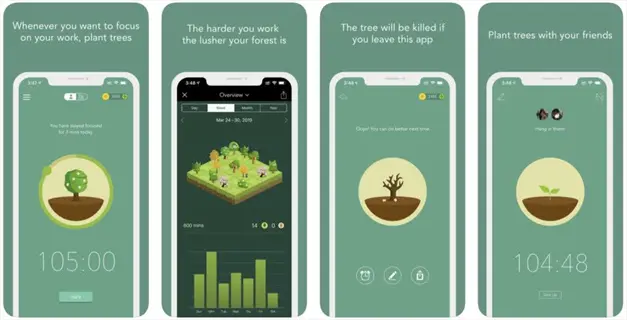
Specialized Detox Apps
- Anti-Doomscroll Features: Break endless scrolling with timed pauses
- Overnight Blocks: Disable access during specified sleeping periods
- Morning Check-ins: Replace notifications with intention-setting prompts
- App Blockers: Selectively restrict platforms for focused work sessions
- Usage Analytics: Provide weekly reports on behavioral patterns
- Mindful Reminders: Prompt awareness of automatic phone-checking habits
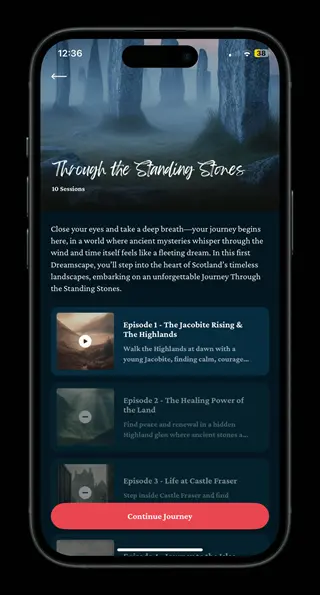
Mindfulness Resources
- Guided Meditation Apps: Short sessions to redirect scrolling urges
- Breathwork Timers: Structured breathing exercises for anxiety reduction
- Mindfulness Alarms: Periodic reminders to check present-moment awareness
- Digital Journaling: Track emotional responses to social media breaks
- Offline Activity Libraries: Curated suggestions for screen-free hobbies
- Urge Surfing Exercises: Techniques to ride out compulsive-checking impulses

Physical Environment Aids
- Dedicated Charging Stations: Keep devices outside bedrooms overnight
- Traditional Alarm Clocks: Eliminate phone dependency for wake-ups
- Phone Lockboxes: Temporarily secure devices during focus periods
- Blue Light Glasses: Reduce eye strain from residual screen exposure
- Timer Kitchen Gadgets: Visual time-tracking for offline activities
- Physical Activity Trackers: Step counters replacing social validation metrics
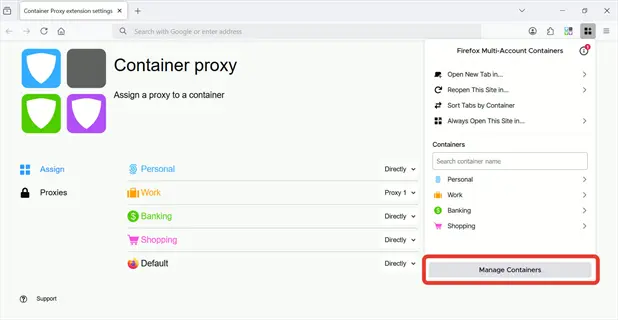
Browser Extensions
- News Feed Blockers: Remove infinite-scroll interfaces on desktop
- Distraction Limiters: Set maximum daily time on entertainment sites
- Keyword Filters: Hide triggering content during sensitive periods
- Notification Managers: Batch alerts to specific times only
- Website Blockers: Restrict access during work/study sessions
- Focus Assistants: Simplify browser interfaces during deep work
Proven Mental Health Benefits
Regularly practicing social media detox consistently offers many mental-health benefits. It has been shown in studies that even the symptoms of depression subside when you start breaking the cycle of comparisons. When you measure your self-worth by social media likes, you will experience better feelings of self-esteem. These benefits will grow over time as you experience a regular dose of digital holiday.
In just a few days, you should experience noticeable improvement in your ability to focus. The craving for constant notifications lessens. You sleep better and awaken refreshed, no longer lying awake at midnight viewing your e-mail. Not all changes co-occur. A Time-Cap strategy may give faster increases in productivity than Full-Abstinence, depending on your own particular situation.
Real bonds only deepen when you replace mindless scrolling with intentional conversations. One client told me that the quality of her marriage improved after she deleted her dating apps. Your reward compounds every week. Stay with it. The mental clarity you achieve becomes your new normal.
Depression Reduction
- Clinical reviews confirm decreased depressive symptoms post-detox
- Linked to reduced exposure to social comparison triggers
- Breaking negative thought cycles from algorithmic content feeds
- Significant symptom reduction observed in detox participants
- Most pronounced in users with pre-existing depressive tendencies
- Effects sustained through periodic detox maintenance
Self-Esteem Boost
- Reduced comparison to curated online personas
- Decreased engagement with appearance-focused content
- Reclaiming personal value beyond social validation metrics
- Majority of users report improved body satisfaction after cleanses
- Strongest impact when unfollowing idealized lifestyle accounts
- Correlates with reduced photo-editing app usage
Enhanced Focus
- Rebalanced attention spans from reduced multitasking
- Decreased cognitive overload from notification bombardment
- Retrained ability for deep work sessions
- Productivity gains commonly noted in work environments
- Directly proportional to reduced daily scrolling time
- Strengthened through focus mode tool usage
Deeper Relationships
- Increased presence during face-to-face interactions
- Shift from passive liking to active communication
- More meaningful shared experiences offline
- Improved conflict resolution skills frequently reported
- Strongest when replacing DM conversations with calls
- Correlates with reduced message notification anxiety
Sleep Quality
- Reduced blue light exposure before bedtime
- Decreased bedtime anxiety from unresolved notifications
- Restored natural melatonin production cycles
- Sleep latency improvements consistently achieved
- Directly linked to pre-bed digital curfews
- Enhanced through overnight app blocking features
10 Key Steps for Social Media Detox
Start your social media detox by evaluating your infatuation with social media for three days, and track screen time on your telephone. Learn when and why you scroll the most. Establish clear goals, such as limiting your ig time to 30 minutes using one of your phone's built-in tools. This foundation of information is tailored specifically to your individual needs.
Uninstall distractions, or use blockers during your working hours on your mobile device. Substitute those times when you typically scroll with new, healthy activities, such as reading a book. Reduce your feed by unfollowing accounts that make you feel bad about your life. All of these elements are closely tied to what we have discussed in the preceding sections. Adjust each step based on your own hurdles.
Practice being mindful whenever a trigger arises and do three minutes of breathing exercises. Find someone to check in with daily via phone. Evaluate the differences in screen time and mood following the detox period. Adjust your habits to those that work best for you.
Assess Current Usage
- Track daily screen time using built-in phone analytics for 3 days
- Identify peak usage times and most addictive platforms
- Note emotional triggers like boredom or stress prompting usage
- Document findings to establish baseline for improvement tracking
Set Realistic Goals
- Define detox duration: Start with 7-day trial for beginners
- Choose scope: Full abstinence or platform-specific reduction
- Align with values: 'Reclaim family dinner time' not just 'less scrolling'
- Use SMART criteria: Specific, measurable, achievable, relevant, time-bound
Inform Contacts
- Notify followers via post/story about temporary unavailability
- Set email autoresponder for professional contacts if needed
- Share alternative contact methods for urgent matters
- Establish accountability by sharing goals with trusted friends
Delete or Disable Apps
- Uninstall social media apps from mobile devices completely
- Use browser extensions to block desktop site access if necessary
- Disable notifications for remaining essential communication apps
- Consider app-blocking tools for enforcement during detox period
Schedule Offline Activities
- Replace scrolling time with planned activities like reading or hiking
- Prepare alternatives for high-temptation moments (e.g., meditation apps)
- Create daily structure: Morning exercise instead of feed-checking
- Include social activities: Board game nights instead of group chats
Implement Time Caps
- Set daily limits (e.g., 30 minutes total across platforms)
- Use phone features like iOS Screen Time or Focus modes
- Schedule access windows (e.g., 6-7 PM only)
- Enable grayscale mode to reduce visual appeal of interfaces
Curate Your Feed
- Unfollow accounts triggering comparison or negativity
- Mute keywords/topics causing distress (politics, appearance focus)
- Follow educational or uplifting content instead
- Use platform tools to indicate 'not interested' in harmful content
Mindfulness Integration
- Practice 3-minute breathing when reaching for phone impulsively
- Set hourly awareness alarms to check present-moment focus
- Journal emotional responses to detox process daily
- Use urge-surfing techniques during craving peaks
Partner for Accountability
- Find detox buddy to share daily progress and challenges
- Schedule daily check-ins via call (not messaging)
- Create shared offline activities like weekly walks
- Exchange encouragement notes instead of social media likes
Post-Detox Evaluation
- Compare pre/post-detox screen time analytics
- Journal emotional changes and productivity differences
- Determine which platforms to reintroduce (if any)
- Establish permanent new habits based on successful changes
5 Common Myths
Detoxing from social media requires stepping away completely from all digital channels for months at a time.
Detoxing requires short abstentions weeks or months far away from others online. A week or a month or 30 minutes a day of being online is very useful. Time away from others can be beneficial. There are partial methods, such as a purge of content which allows continued contact but takes away some of the harmful aspects. Various approaches afford much flexibility and can be tailored to styles and duties of individuals.
Only the severely addicted to social media need to detox.
But good results from detox include not only the severely addicted but likewise the medium level of use. Societies say that moderate users get better focus as a result of a better attention span and not as much multitasking. And even light users benefit by becoming more emotionally resilient about their digital and social media usage. For there is nothing like an occasional detox for preventive maintenance of our social media or digital health.
Disconnecting from social media means important news and notifications will be missed
These types of information are available through other sources such as newsletters sent via e-mail or trustworthy news web pages. But important notices are often received by texting messages to the user's cell or other contacts. Setting notification levels is important, since it ensures that important news can be obtained, while all of the distracting news is filtered out. It is amazing what gets observed to be nonimportant news when one does this.
The effects of a social media detox are felt right away with the first day.
Psychological adaptations take about 3-5 days for meaningful changes to occur. The first discomfort like FOMO is replaced with better attention. Emotional benefits are enhanced when practiced over the course of weeks. Lasting habit changes come from continued utilization for more than short periods of time.
A successful detox is the permanent solution to the problem of digital overload
Digital wellness requires ongoing maintenance just as fitness does. Periodic resets are an antidote to the algorithmic tweaking that pulls the users back in. Combining detoxification strategies with long-term maintenance produces an enduring balance. Regular evaluations of the methods keeps pace with changing digital habits and changing life experiences.
Conclusion
A social media detox is a great way to regain lost time as well as mental clarity. Instead of drastic changes, try a 24-hour trial run first. It'll give you a manageable way to build up confidence. I started disconnecting on Sundays years ago, and I still do this weekly reset. You'll be amazed at how much breathing room you gain immediately.
Concentrate on balance instead of a permanent cure. Sustainable detox combines ways to be mindful about your habits while using digital tools. Retain the applications which serve you while limiting the number of those which do not serve you. This way, you can maintain relationships while nurturing your well-being. Don't forget the benefits: sharper focus, the ability to relate to others in a deeper way, and emotional resilience.
Your journey starts today! Pick one step from the guide, such as tracking your usage or setting app limits for yourself. Consistency is more important than being perfect. Every small win helps to build up to a lasting freedom from the weight of owning too much of your digital life. You can change your digital life!
External Sources
Frequently Asked Questions
What defines a social media detox?
A social media detox involves intentionally reducing or eliminating engagement with digital platforms to reclaim mental clarity. Strategies range from short breaks to permanent habit changes, targeting compulsive usage patterns that disrupt daily focus and emotional wellbeing.
How long should a social media detox last?
Effective detox durations vary based on personal goals:
- Beginner trials: 24-48 hours for initial reset
- Moderate resets: 7-day abstinence for noticeable benefits
- Habit transformation: 30-day programs for sustained change
- Ongoing maintenance: Permanent time restrictions after initial detox
Is a digital detox actually beneficial?
Yes, digital detoxes deliver proven psychological improvements including reduced anxiety and enhanced concentration. Participants report better sleep quality and stronger real-life relationships after eliminating comparison triggers and notification-driven interruptions from social platforms.
What happens to your brain during social media detox?
The brain undergoes significant rewiring:
- Dopamine regulation: Reduced craving for validation through likes
- Prefrontal cortex recovery: Restored focus capacity without multitasking
- Stress hormone decrease: Lower cortisol from constant alerts
- Neural pathway shift: Strengthened connections for offline activities
Can social media addiction be reversed?
Absolutely. Through structured detox strategies and digital wellness tools, users rebuild healthier relationships with technology. Key steps include usage tracking, app blockers, and mindfulness practices to replace compulsive habits with intentional engagement.
What daily social media usage is considered healthy?
Recommended limits prioritize quality over quantity:
- Maximum threshold: Under 30 minutes across all platforms
- Focused sessions: Dedicated 10-15 minute check-ins without multitasking
- Zero usage: During meals, family time, or 90 minutes before sleep
- Mindful engagement: Prioritizing educational content over passive scrolling
How do I start a social media detox?
Begin with these foundational actions:
- Audit current usage with phone's screen time tracker
- Set specific goals like 'no apps during work hours'
- Delete or disable highest-addiction platforms first
- Schedule replacement activities for habitual scroll times
What withdrawal symptoms occur during detox?
Common temporary symptoms include restlessness and phantom notification sensations. Users may experience FOMO initially, but these subside within days as the brain adapts to reduced stimulation, leading to calmer mental states.
Does detox require quitting all social media permanently?
Not at all. Sustainable detox focuses on mindful usage through approaches like:
- Content cleansing: Curating feeds to eliminate triggers
- Time-capping: Strict daily limits via app blockers
- Platform prioritization: Keeping only essential networks
- Scheduled access: Designated usage windows
When do detox benefits become noticeable?
Initial improvements emerge within days:
- 48-72 hours: Reduced anxiety and improved sleep onset
- 1 week: Heightened concentration during work tasks
- 2 weeks: Stronger offline social connections
- 3+ weeks: Sustained habit changes and emotional resilience