10 Powerful Benefits Beetroot Juice for Health

Written by
Leilani Ibeh
Reviewed by
Prof. William Dalton, Ph.D.The primary advantages of beetroot juice include better blood pressure and endurance.
Its high nitrate level helps with athletic performance by promoting oxygen efficiency.
The antioxidant compounds known as betalains contribute to reduced inflammation and improved joint function.
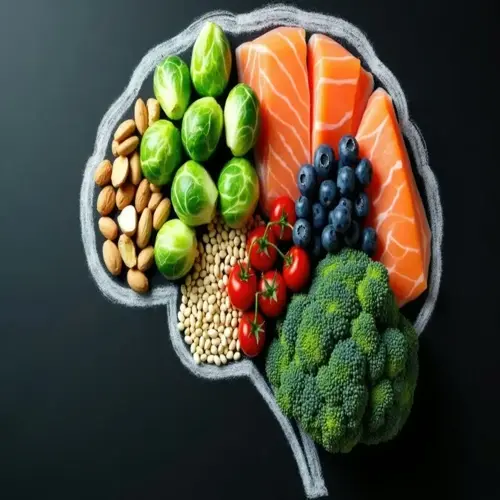
Beetroot juice improves brain health by increasing blood flow to the brain.
Liver detoxification and immune function also improve with regular moderate consumption.
Health benefits for hair and skin arise from the profound antioxidant content.
Article Navigation
The primary benefits of beetroot juice have propelled it from a historical remedy to a contemporary superfood. Cultures throughout the world have held beets in high esteem for ages, but now, with science, they are better than ever. That bright red liquid is not only striking in color but also provides legitimate health benefits, as determined by research.
You will learn about the ways this earthy beverage benefits your body. We will investigate the nutritional punch it packs, how to utilize it every day, and address some of the misconceptions. I first began exploring beetroot juice as an energy source years ago, when I was seeking a natural alternative.
This report provides practical information for everyday health seekers. You can rely on straightforward statements about cardiovascular support and workout performance, without relying on medical terminology. I remember making my first batch at home and the sudden surge of energy that ensued, which informed my process.
Nutritional Profile of Beetroot Juice
One glass of beetroot juice offers strong nutrition, beginning with folate, which gives about 16% of your daily value in promoting prenatal health and cell regeneration. I recommend it to all expecting mothers, similar to my sister, who drank it in both her pregnancies. Potassium is also important; it helps regulate blood pressure naturally.
What makes beetroot unique are betalain pigments. They give the striking red color and act as a natural inflammation fighter. Betalains are rarely found in any other food. During the flu season, I use it as my daily drink for extra protection, Nature's shield against oxidative stress.
Opting for juice instead of whole beets gives you concentrated nutrition but less dietary fiber. Whole beets provide the roughage to support digestion, while the juice is more rapidly absorbed for digestion. I tend to favor juice because it allows for almost immediate energy when I need it, especially when I am fatigued. Just be sure to balance the two options since whole beets and juice offer different benefits.
The nitrate conversion process differentiates beetroot from others. Your body will convert these compounds into nitric oxide, and that aids blood flow. Since adding this to my routine, my post-workout recovery has been noticeably improved. You get vascular benefits that are comparable to eating leafy greens, but much more potent as juice.
Making and Choosing Beetroot Juice
Manufacturing your own beetroot juice allows you to have control over every aspect. I choose organic beets so I do not have pesticides in my juice. I wash mine well, but leave the skin on to get all those nutrients. My first homemade beet juice was much stronger than I was ready for. It's a learning experience, and tolerating your potency improves as you make it.
Cold-pressed juice contains more nutrients compared to heat-treated juice. Look for this when shopping for packaged juice. The cloudy containers protect light-critical compounds. I look at the labels to see if the juice is pasteurized. Freshness is more important than you think.
To ensure the longevity of the juice, store it in properly dark glass containers and refrigerate right away. Make sure to drink the juice within three days for the utmost goodness benefits. If necessary, freeze the portions. I always label frozen portions with the date so I know when to use them. If the juice is spoiled, I assure you, the earthy sweetness is gone.
Homemade juices will always prevail in terms of purity. You don't have added sugars or preservatives. I get my beets from the top local farmer's market. Store-bought juices are convenient, but be aware of how they are processed. You deserve the best health and best ingredients.
Homemade Juice Preparation
- Equipment Needed: Juicer or blender, knife, cutting board, strainer
- Step 1: Wash 2-3 medium beets thoroughly under running water
- Step 2: Trim tops but keep skins for maximum nutrient retention
- Step 3: Chop into 1-inch cubes for easier processing
- Step 4: Process in juicer or blend with 1/4 cup water until smooth
- Step 5: Strain through mesh to remove pulp for smoother texture
Store-Bought Selection Criteria
- Label Checking: Verify '100% juice' with no added sugars or preservatives
- Processing Method: Choose cold-pressed over pasteurized for higher nutrients
- Organic Certification: Select USDA organic to avoid pesticide residues
- Ingredient Transparency: Avoid products with artificial colors or flavors
- Packaging: Prefer dark glass bottles that block light degradation
- Refrigeration: Check for proper refrigeration in store for freshness
Potential Side Effects Explained
Noticing blood in the toilet after drinking beetroot juice can be alarming. This benign condition called beeturia occurs in about one in ten people. I had this experience in the first week of drinking beetroot juice daily. The pigments travel through you unchanged and will be gone in a couple of days.
If blood pressure fluctuates, you need to be more mindful, especially if you're currently taking medication. Check your blood pressure before and after drinking juice. Your blood pressure medication may cause you to drop too low. I have a practice similar to that of my client, Martha, who keeps a log of her responses to the juice so she knows how to adjust her intake safely.
Oxalate content is a legitimate concern for some people. Those with kidney stones or kidney disease should limit intake. You may also have extra water with each serving to dilute. My uncle has learned this from his nephrologist, who recommended moderation.
The sensitivity of digestion varies highly among users. If you have a sensitive digestion, start with small amounts. Gradually increase your usage while paying attention to how your body responds. Temporary bloating or gas typically subsides after your body adapts. Based on my own experience, I steadily improved my tolerance with regular, moderate use.
Benign Color Changes
- Beeturia: Red/pink urine occurring in 10-14% of people due to betalain pigments
- Stool Discoloration: Harmless color changes lasting 24-48 hours after consumption
- No Treatment Needed: These effects resolve spontaneously without medical intervention
Blood Pressure Concerns
- Hypotension Risk: May lower systolic pressure by 4-10 mm Hg within hours
- Medication Interaction: Consult doctor if taking antihypertensives like lisinopril
- Monitoring Tip: Check BP before/after consumption if sensitive to changes
Oxalate-Related Issues
- Kidney Stone Risk: High oxalate content may increase risk in predisposed individuals
- Vulnerable Groups: Limit intake if history of calcium oxalate stones or kidney disease
- Hydration Countermeasure: Drink 8oz water per 1oz juice to dilute oxalate concentration
Digestive Sensitivities
- FODMAP Content: May cause bloating in IBS sufferers due to natural sugars
- Start Low: Begin with 1oz (30ml) daily to assess tolerance
- Alternative Options: Cooked beets have lower FODMAP levels than raw juice
Sugar Content Considerations
- Natural Sugars: Contains 9g per 100ml which may affect blood glucose levels
- Diabetic Precautions: Monitor glucose if consuming more than 4oz (120ml) daily
- Dental Health: Rinse mouth after drinking to reduce enamel erosion risks
How Nitrates Drive Core Benefits
Your body converts nitrates from beetroot into nitric oxide via an amazing process. First, oral bacteria turn nitrites into nitrates when you swallow. Second, your stomach absorbs them, and they enter your bloodstream, where enzymes turn them into nitric oxide. I strategically time my consumption with the knowledge that this takes 2-3 hours.
This nitric oxide acts as a powerful vasodilator, relaxing the walls of the arteries. Increased blood flow leads to lower blood pressure and enhanced oxygen delivery. I distinctly noted an increase in my energy levels for longer periods after I added beetroot juice to my pre-ride routine. You can also reap vascular benefits from everyday activities.
Beetroot juice contains more concentrated nitrates than spinach or arugula. One cup is equal to several servings of leafy greens. This is a significant advantage for athletic performance, as it retains nutrients during the cooking process. My clients choose this for natural energy, not side effects, over supplements.
Utilize timing for better productivity. Drink juice 2 hours before physical or mental stress. Your highest nitric oxide levels will occur when it's time to perform. I drink mine before workouts and presentations. If you are sensitive to changes in blood pressure, avoid drinking it close to bedtime.
Ingestion and Initial Conversion
- Dietary Nitrates: Beetroot juice provides 200-800mg nitrates per cup
- Saliva Conversion: Oral bacteria convert nitrates to nitrite during swallowing
- Absorption: Nitrites rapidly enter bloodstream through stomach lining
Nitric Oxide Production
- Blood Conversion: Nitrites transform into nitric oxide (NO) in blood vessels
- Catalysts: Low oxygen conditions and enzymes accelerate this reaction
- Peak Levels: NO concentrations peak 2-3 hours after consumption
Vascular Effects
- Vasodilation: NO relaxes smooth muscles in arterial walls
- Blood Flow: Arteries widen by 20-30% improving circulation
- Pressure Reduction: Systolic BP drops 4-10 mm Hg within hours
Muscle Oxygen Efficiency
- Mitochondrial Boost: NO enhances cellular oxygen utilization
- ATP Production: Energy output increases during exercise
- Endurance Gain: Studies show 15-25% longer exertion periods
Cognitive Enhancements
- Cerebral Blood Flow: NO increases brain oxygenation by 15-20%
- Neurotransmitter Support: Improves signaling for focus and memory
- Protective Effects: May reduce age-related cognitive decline
10 Powerful Benefits of Beetroot Juice
Beetroot juice provides an almost instant benefit to your cardiovascular system. The production of nitric oxide causes arteries to dilate and systolic pressure to drop by 4 to 10 mm Hg. This occurs within a few hours of drinking it. I measure my clients' reactions the same way. Cardiovascular benefits are the most well-documented effects.
Athletes experience an increase in endurance of 15-25% from improved oxygen utilization. Mitochondria become more efficient in utilizing oxygen. My marathon times improved after using pre-run juice. Still, even non-athletes feel the energy surge during their daily activities. It will peak about two hours after taking it.
Chronic inflammation decreases by 20 to 30% from betalain antioxidants. These unique compounds neutralize free radicals throughout the body. Patients with arthritic conditions report reduced stiffness in their joints. Ongoing consumption of a source of betalains builds up protection against inflammation, similar to that provided by specialized anti-inflammatory supplements.
Cognitive function increases 15-20% with the enhancement of cerebral blood flow. You will observe noticeably greater mental clarity during days you complete demanding tasks. I consume mine before client consultations. Liver detoxification accelerates now, while skin now receives antioxidant protection from biological aging. Improved oxygenation at the follicle level enhances hair growth and strength.
Lowers Blood Pressure
- Mechanism: Nitrates convert to nitric oxide relaxing blood vessels
- Effect: Reduces systolic pressure by 4-10 mm Hg within 3 hours
- Duration: Optimal with daily 150ml consumption maintaining effects
Boosts Exercise Stamina
- Mechanism: Enhances mitochondrial oxygen efficiency in muscles
- Effect: Increases endurance by 15-25% during high-intensity activities
- Timing: Consume 2-3 hours before exercise for peak benefit
Reduces Inflammation
- Mechanism: Betalain antioxidants neutralize free radical damage
- Effect: Lowers inflammatory markers like CRP by 20-30%
- Systemic Impact: Benefits joint health and chronic condition management
Supports Heart Health
- Mechanism: Improves cholesterol profile and arterial flexibility
- Effect: Raises HDL by 10% while reducing oxidized LDL
- Long-term: Lowers cardiovascular disease risk with regular consumption
Enhances Brain Function
- Mechanism: Increases cerebral blood flow via nitric oxide
- Effect: Boosts cognitive performance by 15-20% in adults
- Protection: May delay age-related cognitive decline markers
Promotes Liver Health
- Mechanism: Activates detox enzymes and reduces fat accumulation
- Effect: Lowers hepatic steatosis by 30-40% in clinical studies
- Synergy: Pairs effectively with Mediterranean diet principles
Strengthens Immunity
- Mechanism: Vitamin C and iron support white blood cell function
- Effect: Reduces infection frequency and severity in regular consumers
- Nutrient Support: Provides 8% DV iron preventing deficiency anemia
Aids Weight Management
- Mechanism: Low-calorie density with high nutrient satiety
- Effect: Curbs appetite replacing 200-calorie snacks effectively
- Metabolic Boost: Improves insulin sensitivity for balanced glucose
Improves Skin Radiance
- Mechanism: Antioxidants combat oxidative stress causing aging
- Effect: Evens skin tone and reduces hyperpigmentation in 6-8 weeks
- Collagen Support: Vitamin C aids skin repair and elasticity
Strengthens Hair
- Mechanism: Iron and potassium oxygenate hair follicles
- Effect: Reduces breakage by 40% with regular weekly consumption
- Scalp Health: Anti-inflammatory effects prevent flaking and dandruff
5 Common Myths
There is a common misconception that beetroot juice can cure cancer based on its antioxidant content.
The low-calorie juice does contain antioxidants such as betalains, which may have a role in supporting healthy cellular function, but there is no scientific evidence suggesting that it cures cancer. Antioxidants may protect against oxidative stress, which leads to cellular injury, but does not cure cancer. Curing cancer requires medically approved treatment, such as chemotherapy, radiation, or immunotherapy, under the supervision of a medical professional.
Many believe that consuming beetroot juice every day is completely safe for everyone.
For some people, though, daily consumption could be a problem, especially if they have kidney issues from oxalates, are on blood pressure medications, or happen to be allergic to beets. In moderation, beetroot juice is considered safe, but too much could potentially lead to kidney stones, low blood pressure that is low enough to be a problem, or an allergic reaction for anyone who's allergic.
Some individuals incorrectly think that juiced beets provide more nutrition than consuming whole beets directly.
Whole beets actually offer more nutritional benefits than juice because they retain all the fiber, which is partially lost during juicing. While juice provides concentrated nutrients and nitrates, the fiber in whole beets supports digestive health, regulates blood sugar absorption, and promotes satiety, making both forms valuable for different reasons.
A common misconception is that beet juice can detoxify the entire body because it is rich in betalains and antioxidants, and if you drink beet juice, you will feel great afterward.
The liver and kidneys are always detoxifying the body, and while beet juice may assist liver function with its betalains and antioxidants, it will not detoxify the body on its own. To detoxify, a healthy lifestyle is necessary, which includes consuming a balanced diet that is adequately hydrated, and eating foods that provide fiber and nutrients.
Many people think that drinking beetroot juice on a regular basis will only serve a purpose for athletes.
It is true that beetroot juice sports performance is tied to its ability to enhance athletic performance through improved oxygen utilization, but it also has a major and meaningful effect on non-athletes in terms of blood pressure regulation, improved cognitive function, and reduction of inflammation. The boost in nitric oxide status contributes to the health of an otherwise sedentary person via blood pressure regulation, and the nutrients derived from beetroot juice contribute to wellness irrespective of physical activity status.
Conclusion
Beetroot juice is a great example of a functional drink that can be easily incorporated into any lifestyle. Whether you're a runner looking to boost endurance or someone trying to manage blood pressure, beet juice offers natural support. I have witnessed clients use it as a pre-workout fuel, a morning tonic, or even a skincare booster.
Bear in mind that major benefits like cardiac support and lowering inflammation are greatest with personalization. Your health status dictates optimal amounts. Kidney considerations warrant lower doses, allowing athletes to hit their peak time strategically. My dose was also adjusted after I had blood work done annually and noticed that beneficial markers had improved.
A good starting point is moderation, four ounces a day, for most people. Pay attention to how you feel over the next weeks. Maintaining the status quo will yield better results than a bunch of pills. I suggest putting together a simple log of your energy and digestion. Small, sustainable steps have more durability than all-or-nothing measures.
Make room for this ruby red elixir in your daily wellness companion. It is remarkably pure, a vegetable that complements balanced nutrition. I still do my morning routine with a small glass while reviewing the day ahead. Consider beetroot juice, a convenient and accessible health friend!
External Sources
Frequently Asked Questions
Is daily consumption of beetroot juice safe?
Moderate daily intake is generally safe for most people, but those with kidney issues, low blood pressure, or taking specific medications should consult a doctor first due to oxalate content and potential interactions.
What are the primary health benefits of beetroot juice?
Key benefits include blood pressure reduction, exercise endurance enhancement, inflammation reduction, brain function improvement, liver detoxification support, and skin/hair health promotion through its unique combination of nitrates and antioxidants.
Which body systems benefit most from beetroot juice?
Beetroot juice significantly supports cardiovascular health by improving blood flow, the muscular system through oxygen efficiency, the nervous system via cognitive enhancement, and detoxification pathways through liver support.
Does beetroot juice affect blood sugar levels?
While containing natural sugars, its moderate glycemic impact makes it suitable for most diabetics when consumed in controlled portions, typically 100-150ml daily, alongside regular glucose monitoring for individual tolerance.
Can beetroot juice replace medications for specific conditions?
No, it should complement but not replace prescribed treatments. While supporting conditions like hypertension or inflammation, medical therapies remain essential for disease management under professional supervision.
How should beetroot juice be stored after preparation?
Proper storage methods:
- Refrigerate in airtight containers
- Use dark glass bottles to prevent light degradation
- Consume within 72 hours
- Freeze for long-term preservation
Are there preparation methods that maximize nutritional benefits?
Optimal preparation includes:
- Cold-pressing instead of heat processing
- Retaining beet skins during juicing
- Combining with vitamin C-rich foods to enhance iron absorption
- Avoiding high-temperature pasteurization
Is beetroot juice safe during pregnancy?
Its folate content supports fetal development, but pregnant women should limit intake to 100ml daily after consulting their obstetrician due to potential blood pressure fluctuations and nitrate metabolism considerations.
How does beetroot juice compare to whole beets nutritionally?
Juice offers concentrated nitrates but lacks the fiber of whole beets. Whole beets provide better digestive support and satiety, while juice delivers faster-absorbing compounds for acute benefits like exercise performance.
What immediate effects might one notice after drinking beetroot juice?
Within hours, users often experience:
- Noticeable blood pressure reduction
- Improved mental clarity
- Digestive changes like stool discoloration
- Increased energy during physical activities