10 Unmissable Benefits of Argan Oil

Written by
David Nelson
Reviewed by
Prof. Graham Pierce, Ph.D.Learn about the variety of ways argan oil can be used in cooking or in cosmetic benefits.
Improve your hair by treating frizz and split ends.
Moisturize your skin and reduce the effects of aging as well as inflammation.
Use potent antioxidants to abolish free radicals and prevent inflammation.
Promote heart health by managing cholesterol and regulating blood pressure.
Clarify some misconceptions about what argan oil can do and how to use it properly.
Article Navigation
To comprehend the benefits of argan oil, it helps to know where it comes from. This golden oil is harvested from the cold-pressed nuts of the argan trees of Morocco. The Berbers have used it for centuries. They have eaten it, applied it to their skin, and used it in traditional medicines with marvelous results.
I first discovered argan oil during my trips to Morocco. I was surprised by its *versatility*. It can be applied to the skin for cosmetic use. It can be ingested for its health benefits. Such a dual purpose is rare among natural oils.
In this summary, you'll find 10 major science-backed benefits organized into five main categories. We will explore how argan oil can benefit hair, skin, and overall health. Several helpful ideas for incorporating it into daily life will be presented. My own experience represents some of the real benefits I have found.
Culinary Uses
Cooking with culinary argan oil adds nutrition to food. Each tablespoon is 72 calories rich in healthy fats. I use it daily in my kitchen. Its rich, nutty flavor changes ordinary food into Moroccan specialties.
You must understand there is a qualitative difference between the two types of argan oil: culinary and cosmetic. Culinary argan oil is made with roasted kernels so the flavor is richer. Cosmetic oil is made with raw nuts so the health benefits of argan oil can be realized. The two are never to be confused. I learned this distinction the hard way during my Moroccan cooking lessons.
Try `traditional Amlu dip for breakfast`. Mix 2 tablespoons of argan oil, 1 tablespoon of almond butter, 1 teaspoon of honey, and a pinch of cinnamon. Spread it on warm bread. It's a wonderful energizing recipe that starts my mornings perfectly.
Remember, it has a smoking point of 356°F (180 °C). Use it for drizzling and light sautéing only. High heat destroys nutrients and makes everything bitter. I ruined a dish once by cooking it at too high a temperature. Don't have that experience.
Hair and Scalp Benefits
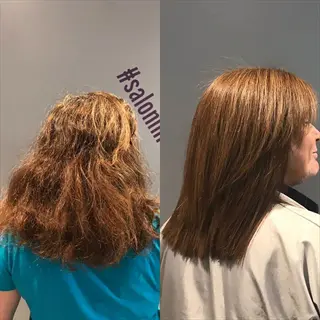
Frizz can be defeated with humectants, and argan oil is a powerful humectant. Argan oil is absorbed by hair cuticles, where it protects from frizz and retains moisture. Living in a humid climate has given me first-hand experience of this wonderful oil! Your hair will remain smooth for days, regardless of the humidity.
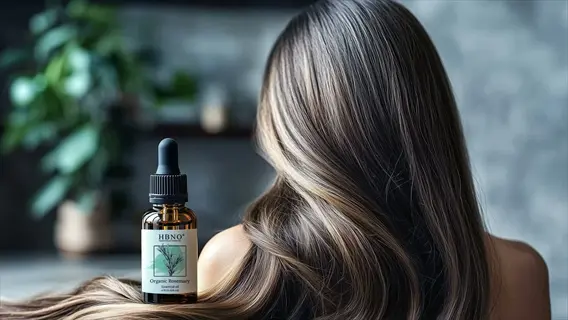
Argan oil has eased my irritated scalp. The anti-inflammatory properties reduce redness and help with flaking. I gently rub it on my scalp once a week. You'll have less itching and visible dandruff over time.
Split ends meet their match with penetration of oleic acid! This compound penetrates the hair shaft from within. It reinforces the internal structural integrity of the hair. The changes I saw in my damaged hair were from consistent overnight treatments. The strands become more resilient to normal day-to-day wear and tear.
Be aware that although some sources might state that argan oil promotes hair growth, it actually does not. Argan oil nourishes and strengthens hair to reduce breakage, but doesn't encourage new growth. The result is that hair will appear fuller when its strength is improved. Remember to focus on the positive benefits, rather than relying on Miracle-Gro.
Frizz Control
- Argan oil forms a protective layer that seals hair cuticles against humidity absorption. This significantly reduces frizz for smoother, more manageable strands in damp conditions.
- The lightweight formula coats hair without heaviness, making it suitable for daily application on both fine and thick hair textures. Use sparingly on ends to avoid greasiness.
- Consistent use improves hair flexibility, helping maintain styled looks longer while reducing flyaways throughout daily activities.
Scalp Soothing
- Anti-inflammatory compounds in argan oil calm scalp irritation and reduce visible flaking. Gentle massage application enhances blood flow to follicles for improved nourishment.
- Regular use helps balance scalp conditions by minimizing factors that contribute to discomfort. Limit application frequency on naturally oily scalps to prevent residue buildup.
- The nourishing properties support a healthier scalp environment, creating optimal conditions for maintaining strong hair roots over time.

Split End Repair
- Oleic acid penetrates deeply into hair shafts to reinforce structural integrity. This helps minimize split ends and reduces breakage during styling routines.
- Unlike surface-coating silicones, argan oil integrates with hair proteins to enhance resilience against brushing damage and environmental stressors.
- For intensive treatment, apply generously to ends overnight under protective covering. Rinse thoroughly in morning for visibly healthier hair tips.
Heat Protection
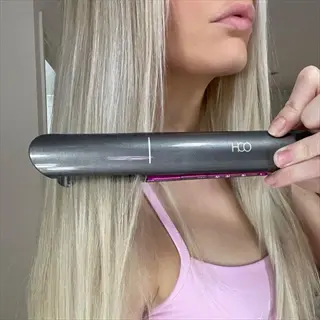
- Creates a thermal shield against styling tools reaching temperatures up to 356°F (180°C), locking in moisture and minimizing structural damage during heat exposure.
- Antioxidants neutralize free radicals generated during heat styling, helping preserve hair's natural strength and texture integrity.
- Leaves subtle shine without greasy residue. Safe for color-treated or chemically processed hair with regular use.
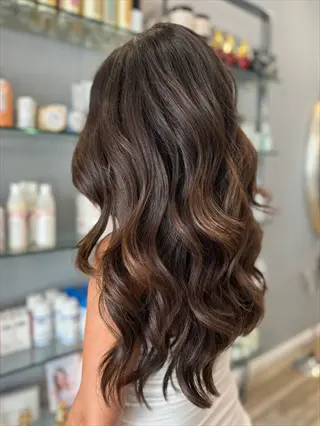
Shine Enhancement
- Smooths cuticle layers to amplify natural light reflection. Delivers luminous finish without synthetic shine-enhancing chemicals found in commercial products.
- Omega fatty acids replenish lipids lost during washing, restoring hair's ability to diffuse light effectively for lasting radiance.
- Regular application enhances visible shine while maintaining hair softness and easy manageability between routine washing cycles.
Skin Benefits
Argan oil restores your skin's natural lipid barrier, providing nutrients deep down and locking in moisture. Its fatty acid content acts as a moisture-locking barrier. It's an essential product for my winter skin care regimen. You'll see that your skin feels plump and supple, even in dry climes, within just a few days.
The vitamin E in argan oil stimulates natural collagen production, thereby minimizing fine lines and toning the skin over time. I use it every night and my skin is firmer. Your skin gets youthful resiliency without synthetic anti-aging preparations.
Argan oil is intelligent sebum management for skin with acne tendencies. It helps balance oil production and prevents clogged pores. My teenage daughter has been using it instead of most of the harsh medications. You get all the oil management benefits without the dry skin associated with commercial acne products.
Small cuts and burns heal better with argan oil's wound healing properties. The antioxidants reduce inflammation and help restore tissue. I have a bottle in my first-aid kit. Your skin heals with little scarring.
Deep Hydration
- Argan oil's fatty acids repair the skin's natural lipid barrier, locking in moisture for lasting hydration. This prevents water loss even in dry climates or heated indoor environments.
- Unlike heavy creams, it absorbs quickly without greasy residue, making it suitable for both dry and oily skin types. Apply after cleansing for optimal absorption.
- Users typically report improved skin suppleness and reduced flakiness with regular use, particularly during seasonal changes when skin tends to dehydrate.
Anti-Aging Effects
- Vitamin E stimulates collagen production, reducing fine lines and improving elasticity. This creates firmer, more youthful-looking skin over consistent application periods.
- Antioxidants neutralize free radicals from UV exposure and pollution, slowing premature aging. Use daily as part of morning skincare routines for protective benefits.
- Visible improvements include diminished crow's feet and forehead wrinkles, with most users noticing changes after consistent application.
Acne and Oil Control
- Linoleic acid balances sebum production, preventing pore congestion without stripping natural oils. This makes it effective for combination and acne-prone complexions.
- Anti-inflammatory properties reduce redness and swelling associated with breakouts. Apply sparingly to affected areas using clean fingertips twice daily.
- Non-comedogenic formula ensures it won't clog pores, unlike many synthetic acne treatments that cause excessive dryness as a side effect.
Wound Healing
- Accelerates recovery of minor cuts and burns through antioxidant-mediated tissue regeneration. Apply gently to cleaned wounds twice daily for faster scab formation.
- Reduces inflammation and prevents infection risk in superficial injuries. Always consult a doctor for deep wounds before applying any topical treatment.
- Ideal for post-procedure care after minor dermatological treatments, helping soothe irritation while supporting the skin's natural healing processes.
Stretch Mark Reduction
- Improves skin elasticity through fatty acid nourishment, potentially minimizing new stretch mark formation. Massage into high-risk areas like abdomen and thighs daily.
- Most effective when used preventatively during pregnancy or weight fluctuations. Consistency is key, as results develop gradually over several months.
- While not a complete eraser, it visibly softens existing marks' appearance by enhancing skin texture and tone uniformity across affected zones.
Antioxidant and Anti-inflammatory Effects
"Argan oil's vitamin E and polyphenols work to eliminate free radicals which occur through pollution and exposure to ultraviolet rays. These unstable particles can attack and damage skin cells, contributing to the aging process. Daily application of my face serum provides a protective barrier against the environmental stressors faced throughout the day."
Argan oil provides soothing relief for inflamed areas of the skin, as with eczema. It quickly reduces redness and calms irritation. I apply this oil after sunburns and allergic reactions have occurred. Your skin feels soothed and inflammation markers are visibly reduced.
Dietary argan oil is effective for internal inflammation because it has fatty acids that systemically balance immune responses. I add it to salads for this reason. Your joints and cardiovascular system receive the benefits of natural support against chronic inflammation.
Consider argan oil to be UV protector enhancement, not a sunscreen replacement. It increases your skin's resistance to UV damage. I use it in combination with SPF when travelling to the beach, your skin repairs faster, and with additional antioxidant protection.
Free Radical Defense
- Argan oil's vitamin E and polyphenols help neutralize harmful free radicals from pollution and UV exposure. This supports protection against oxidative damage to skin cells.
- Regular application forms a protective barrier against environmental stressors, helping reduce premature aging signs and support cellular health maintenance.
- The high polyphenol concentration offers strong antioxidant protection against daily oxidative challenges.
Skin Inflammation Reduction
- Topical application soothes inflammatory skin conditions by reducing cytokine activity. This helps calm redness, itching, and irritation for more comfortable skin.
- Phytosterols like schottenol support inflammatory pathway regulation, providing relief without steroid side effects. Apply gently twice daily to affected areas.
- Cooling properties help alleviate sunburn discomfort while supporting repair of UV-damaged skin tissue.
Internal Inflammation Management
- Dietary consumption may help maintain healthy inflammation response. This supports cardiovascular wellness and overall balance.
- Omega fatty acids help modulate immune responses, maintaining balanced inflammatory processes without suppressing essential functions.
- Regular intake contributes to joint comfort by helping reduce factors that cause stiffness in connective tissues.
UV Radiation Protection
- Acts as natural sunscreen booster by increasing skin's resistance to UV damage. While not replacing SPF products, it enhances their effectiveness against photoaging.
- Antioxidants prevent UV-induced collagen breakdown, maintaining skin elasticity and preventing sunspots formation when used alongside proper sun protection.
- After-sun application replenishes lipids lost during exposure, accelerating recovery while reducing peeling and long-term sun damage risks.
Chronic Disease Prevention
- Reduces oxidative stress linked to heart disease, diabetes, and neurodegenerative conditions. This protective effect supports long-term wellness when consumed regularly.
- Bioactive compounds improve cellular resilience against metabolic stressors, potentially slowing age-related decline in organ function and vitality.
- Combined antioxidant and anti-inflammatory actions create synergistic protection against lifestyle-related health challenges prevalent in modern societies.
UV Radiation Support
- Supports sun protection routines by helping enhance skin's resistance to UV damage. Important: Does not replace SPF products.
- Antioxidants help protect against UV-induced collagen breakdown, supporting skin elasticity when used alongside proper sun protection.
- After-sun application helps replenish lipids lost during exposure, supporting recovery while reducing peeling.
Long-Term Wellness Support
- May help manage oxidative stress factors linked to wellness. This supportive effect complements healthy lifestyle choices.
- Bioactive compounds support cellular resilience against metabolic stressors, potentially aiding vitality maintenance.
- Combined antioxidant and anti-inflammatory actions offer complementary support against modern lifestyle challenges.
Heart Health Benefits
Oleic and linoleic acids, found in argan oil, help regulate cholesterol levels. They have a healthy impact on LDL and help boost the beneficial cholesterol, HDL. I have replaced the butter I used to use for cooking with argan oil for several years. The ratios of cholesterol improve with regular use of the heart-smart oil.
The antioxidants in argan oil provide blood vessel elasticity for good circulation.They stimulate the production of nitric oxide, which causes the vessels to relax. I notice increased energy levels since I added it to my diet. The natural vascular support supplied by argan oil is beneficial to blood pressure.
The fatty acid distribution of argan oil improves triglyceride levels. When saturated fats are replaced, triglyceride levels in the body are significantly reduced. My physician recommended this change at my last visit. Those who use it regularly achieve healthier blood fat distribution.
Daily, use simple dietary methods to add argan oil to your food. Drizzle the oil over salads or blend it into smoothies. I typically use two tablespoons of argan oil in my dishes. You're protecting your heart while enjoying a rich, nutty flavor.
Cholesterol Balance
- Oleic acid helps maintain healthy LDL ('bad') cholesterol levels while supporting beneficial HDL cholesterol. This balance supports arterial health and circulation.
- Regular consumption may help maintain cholesterol ratios within healthy ranges, contributing to long-term cardiovascular wellness in heated indoor environments (70-75°F/21-24°C).
- The monounsaturated fats provide a heart-healthy alternative to saturated fats found in many cooking oils.
Blood Pressure Support
- Antioxidants like vitamin E help maintain blood vessel elasticity, supporting healthy blood pressure levels already within normal range.
- Polyphenols promote nitric oxide production, which helps blood vessels relax and maintain proper circulation throughout the body.
- Combined effects support overall cardiovascular function without directly lowering blood pressure as medication would.
Triglyceride Management
- Linoleic acid helps maintain triglyceride metabolism, supporting healthy levels of these blood fats linked to heart health.
- Replacing saturated fats with argan oil's unsaturated fats in cooking helps maintain balanced triglyceride production.
- This nutritional approach complements other heart-healthy habits like regular physical activity.
Antioxidant Protection
- Vitamin E and polyphenols neutralize free radicals that can affect cardiovascular tissues, supporting cellular health maintenance.
- These antioxidants help maintain LDL cholesterol particles from oxidation, a process associated with arterial health concerns.
- Daily intake provides ongoing protection against oxidative stressors affecting the cardiovascular system.
Inflammation Management
- Omega fatty acids help maintain balanced inflammatory responses throughout the cardiovascular system.
- This supports overall vascular health by helping manage factors associated with chronic inflammation.
- Regular consumption complements an anti-inflammatory diet rich in fruits and vegetables.
5 Common Myths
Argan oil clogs the pores and causes breakouts and is thus not suitable for oily and acne-prone skin types.
@The argan oil quality that is free from clogging pores due to its very light molecular structure is non-comedogenic. Since argan oil is rich in linoleic acid, which helps to achieve the right amount of sebum production and helps in preventing the overproduction of oil which causes the skin to break out, it is very suitable for the management of acne sufferings. When used in the right quantities, tiny amounts on the affected areas, this property of argan oil will help to soothe inflammation without causing pore congestion.
If there is no difference in quality, all argan oil products are equal no matter what the price, and therefore the cheaper products have the same qualities as expensives.
Great differences in quality arise because of the extracting methods, purity and sources used. Pure cold-pressed argan oil has in it all the valuable qualities which are destroyed in the chemical extracting processes employed by cheap manufacturers. Adulterated oils have many low priced fillers in them which defeat their purposes and also develop skin reactions. Certifications, such as the USDA organic, guarantee that there are strict standards in the production of the oils which insures therapeutic values worth the price.
Directly applying argan oil to the hair roots reverses hair loss and speeds up hair growth.
@@Although argan oil strengthens hair that is growing and decreases breakage, it is not proven that it reverses thinning hair or increases growth of new hair. Its major benefit to the hair is to seal the hair shaft with protein and moisture so that there is less breakage and an increase in fullness. For hair restoration, consult the experts and find out what clinically proven products there are instead of depending on topical oils.
Argan oil provides immediate visible results for stretch marks and deep wrinkles after just a few applications.
Consistent long-term use is required for noticeable improvements in skin texture concerns. The fatty acids work gradually to improve skin elasticity and hydration levels, which may soften stretch marks over months of daily application. Dramatic anti-aging claims are unrealistic; argan oil supports skin health as part of a comprehensive routine including sun protection rather than acting as a quick fix solution.
It is permissible to cook with cosmetic-grade argan oil because both versions derive from the same source of argan oil plant.
Cosmetically prepared argan oil has not passed the necessary food safety certifications and may contain additives detrimental to the ingestion process. Culinary argan oil undergoes more rigorous purification facilities and is prepared from roasted kernels for palatable flavor, while cosmetic aragan oils are produced from raw kernels which require different handling for preservatives. The ingestion of the cosmetic forms of these oils may avoid digestion issues and is without the nutritional value of the food grade oils that are plainly labelled for food usage.
Conclusion
The versatility of argan oil extends beautifully across the kitchen, the bathroom, and the wellness routines. It can be eaten, used topically, and has therapeutic benefits. It is a natural multitasker, simplifying your daily routines. This one oil has replaced five products.
Its sustainable collection protects the argan forests of Morocco and provides support to women's cooperatives. Each bottle captures an age-old ecological balance. I visited these cooperatives and witnessed their ethical practices firsthand. Your purchase helps sustain the environment and fair-traded goods.
Incorporate argan oil practically, expecting no miracles. Use smaller amounts in salad dressings or as a night serum. Note the gradual improvements in suppleness of skin and health of hair. My results were satisfactorily realized after four weeks of consistent use.
Experiment personally to see what suits your requirements. Use it as a cuticle oil, facial moisturizer, or bread dip. Usage will depend on skin type and preference, of course. Your adventures with this golden elixir start with one small drop.
External Sources
Frequently Asked Questions
What are the main benefits of argan oil?
Argan oil offers diverse benefits including deep hydration for skin and hair, antioxidant protection against environmental damage, anti-inflammatory effects for scalp and skin conditions, heart health support through cholesterol management, and culinary uses as a nutritious cooking oil.
Can I use argan oil on my face daily?
Yes, argan oil is safe for daily facial use. Its non-comedogenic properties won't clog pores when applied in small amounts. It helps maintain skin hydration balance and provides antioxidant protection. For oily skin, use sparingly on dry areas rather than entire face.
Does argan oil help with hair growth?
While argan oil doesn't directly stimulate new hair growth, it significantly improves hair health by reducing breakage and split ends. This leads to thicker-looking hair over time. Key benefits include strengthening hair shafts, sealing cuticles, and improving scalp health.
How does argan oil improve skin appearance?
Argan oil enhances skin through multiple mechanisms:
- Boosting hydration by repairing the skin's lipid barrier
- Reducing visible fine lines via vitamin E stimulation
- Improving elasticity with essential fatty acids
- Calming inflammation that causes redness
- Gradually brightening uneven tone and texture
Can argan oil replace my moisturizer?
Argan oil can replace moisturizer for normal to dry skin types due to its emollient properties. However, for optimal results:
- Apply on damp skin for better absorption
- Combine with water-based products for combination skin
- Use sunscreen over oil during daytime
- Adjust quantity based on seasonal humidity changes
What makes pure argan oil different?
Pure argan oil differs from adulterated versions through these characteristics:
- Golden color with slight reddish tint (not pale yellow)
- Distinct nutty aroma that fades after application
- Quick absorption without greasy residue
- USDA Organic or ECOCERT certifications
- Single-ingredient label listing only argan oil
Is argan oil effective for anti-aging?
Argan oil provides anti-aging benefits by improving skin elasticity and hydration. While it doesn't eliminate wrinkles instantly, regular use:
- Reduces fine line appearance through collagen support
- Fights free radicals causing premature aging
- Improves skin density and suppleness
- Protects against environmental damage
- Works best when combined with sun protection
Can I cook with cosmetic argan oil?
Never cook with cosmetic argan oil. Food-grade argan oil undergoes different processing:
- Made from roasted kernels for palatable flavor
- Meets food safety standards for consumption
- Lacks preservatives used in cosmetic versions
- Provides nutritional benefits when ingested
- Clearly labeled as culinary-grade oil
How long until I see results from argan oil?
Visible results vary by application:
- Immediate hair shine and manageability after first use
- Skin hydration improvements within 3-5 days
- Reduced breakage and split ends in 2-4 weeks
- Texture improvements for stretch marks after 2+ months
- Consistent daily application yields best long-term benefits
What vitamins and nutrients does argan oil contain?
Argan oil is nutritionally rich with these key components:
- Vitamin E (powerful antioxidant for skin protection)
- Essential fatty acids (oleic and linoleic acids)
- Polyphenols (anti-inflammatory compounds)
- Carotenoids (skin-repairing antioxidants)
- Plant sterols (cholesterol-like molecules that benefit skin)