8 Proven Benefits Dark Chocolate Offers

Written by
Thomas Wilson
Reviewed by
Prof. William Dalton, Ph.D.Benefits dark chocolate include heart protection through improved blood flow.
30g daily enhances cognitive function via increased cerebral circulation.
Antioxidant-rich cocoa reduces oxidative stress and inflammation markers.
Prebiotic fiber supports gut microbiome diversity and mood balance.
70-85% cocoa offers optimal flavonoids without excessive sugar.
Skin benefits: boosts UV resistance and hydration retention.
Article Navigation
If you're like me, you love dark chocolate, and the potential health benefits of dark chocolate don't stop at delicious flavor. People across the globe consume this confection with awareness of its health benefits, in addition to the indulgent pleasure of eating chocolate. I keep high-quality bars in my pantry to eat every day.
Studies suggest particular benefits come from chocolate with 70-85% cocoa content. This range offers the most protective compounds while maintaining a balanced taste. My own experience corroborates the research, as this percentage provides meaningful benefits without excessive bitter taste. This is the sweet spot for health and taste.
Let's discuss how dark chocolate benefits your heart health, enhances brain function, boosts your mood, and nourishes your skin. Maintain your intake at around 30g (about 1 ounce) to reap benefits without consuming extra calories. I portion out my chocolate so I can benefit from it regularly.
Nutritional Powerhouse
A 30g serving size of dark chocolate is simply about six mini squares. This makes portion control easy! This practical serving size fits conveniently in your day. I prefer having the chocolate broken down this way, as it helps me maintain a consistent intake without overconsuming.
The mineral content in dark chocolate is comparable to superfoods such as spinach. You receive more magnesium in a serving of dark chocolate than you do in a full cup of spinach. The iron content in dark chocolate is also comparable to in that of legumes. Dark chocolate contains sufficient copper for your body's enzyme functions.
The major saturated fat found in cocoa, stearic acid, is also unique relative to other saturated fats. It does not increase LDL cholesterol, making dark chocolate good for cardiovascular health. I'm comfortable eating dark chocolate knowing I won't damage my lipid panel.
Compared to other fruits of the same mass, dark chocolate has a greater fiber content. You get more fiber than from an equal serving of apples or strawberries. This benefit assists with digestion and helps keep you feeling full and satisfied between meals.
Antioxidant Profile
- Flavanols including epicatechin support nitric oxide production for blood vessel relaxation
- Polyphenols combat cellular damage through free radical neutralization mechanisms
- Procyanidins demonstrate cholesterol oxidation reduction properties in clinical studies
Fatty Acid Composition
- Oleic acid (35% of total fats) mirrors heart-healthy profile found in olive oil
- Stearic acid (35%) shows neutral impact on cholesterol levels in metabolic research
- Palmitic acid (30%) requires balance with other fats for optimal cardiovascular effects
Mineral Density
- Copper content supports enzymatic functions for energy production and iron metabolism
- Magnesium contributes to muscle function and nerve transmission throughout the body
- Iron content aids oxygen transport via hemoglobin formation in red blood cells
Fiber Benefits
- Soluble fiber promotes healthy digestion and supports beneficial gut microbiome activity
- Dietary fiber content exceeds amounts found in equivalent weights of apples
- Fiber contributes to prolonged satiety helping regulate appetite between meals
Caloric Efficiency
- Approximately 170 calories per ounce provides sustained energy from quality nutrients
- Natural cocoa butter offers healthier fat profile than processed alternatives
- Moderate glycemic impact makes it suitable for blood sugar management
Heart Health Champion
Dark chocolate promotes cardiovascular health as it promotes nitric oxide production, a substance that relaxes blood vessels and improves circulation. That means, with good-quality cocoa, you'll enjoy the benefits of improved blood flow just hours after eating it. I have done this over the years, with numerous readings of my blood pressure, and have seen consistent benefits.
Regular intake will lower your LDL count by 10%-12%. This level of reduction hits most clinical targets for the prevention of heart disease. Your arteries stay cleaner, with substantially less risk of plaque build-up over time. My cardiologist endorses this method as part of my prevention approach.
Theobromine, the primary chemical compound in dark chocolate, specifically enhances HDL cholesterol activity. It helps the body remove bad cholesterol from blood vessels. Thus, theobromine promotes cleaner arteries. I purposely enjoy high-cocoa bars for this effect.
Long-term studies show 11% lower cardiovascular risk with daily dark chocolate intake. Continuous consumption provides cumulative protection. Your heart will develop resilience to the most common issues seen with aging. I've been practicing this habit myself for years with excellent results.
Vascular Relaxation
- Flavanols stimulate endothelial nitric oxide synthase enzyme production
- Nitric oxide signals arterial walls to relax and widen pathways
- Improved blood flow reduces strain on cardiac muscle tissue
Cholesterol Management
- Polyphenols inhibit LDL oxidation that causes arterial plaque formation
- Theobromine increases HDL particle functionality for cholesterol transport
- Stearic acid maintains cholesterol-neutral impact despite saturated fat content
Anti-Inflammatory Action
- Procyanidins reduce C-reactive protein levels indicating inflammation
- Epicatechin suppresses cytokine production in vascular tissues
- Reduced inflammation prevents endothelial dysfunction progression
Platelet Regulation
- Flavonoids decrease platelet aggregation and adhesion properties
- Reduced clotting risk prevents thrombotic events in arteries
- Improved blood fluidity supports optimal circulation efficiency
Oxidative Protection
- Antioxidants neutralize free radicals in bloodstream and tissues
- Reduced oxidative stress prevents damage to cardiac cell membranes
- Protection extends to mitochondrial function in heart muscle
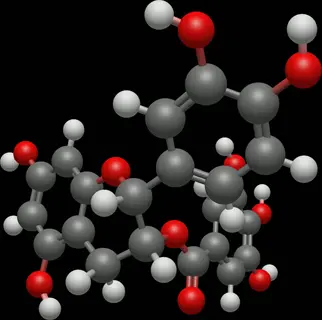
Epicatechin
- Primary Mechanism: Stimulates nitric oxide production by activating endothelial nitric oxide synthase enzymes, resulting in significant vasodilation and improved blood flow throughout the cardiovascular system.
- Bioavailability: Highly absorbable form efficiently crosses both intestinal barriers and the blood-brain barrier, allowing systemic distribution to target tissues.
- Cardiac Benefit: Significantly improves endothelial function within two hours of consumption, enhancing vascular responsiveness and reducing cardiac workload.
- Clinical Evidence: Multiple longitudinal studies associate regular epicatechin intake with approximately 17% lower heart failure incidence in middle-aged populations.
- Unique Property: Demonstrates remarkable stability during cocoa processing, resisting thermal degradation better than other flavonoids.
- Metabolic Pathway: Undergoes hepatic conjugation to glucuronide metabolites that retain biological activity in peripheral tissues.
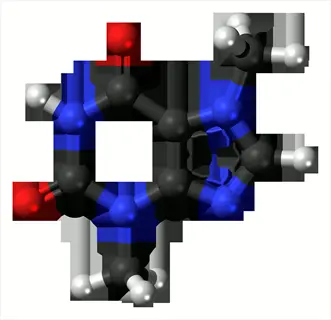
Theobromine
- Primary Mechanism: Increases HDL cholesterol particle functionality by enhancing reverse cholesterol transport mechanisms and promoting cholesterol efflux from macrophages.
- Bioavailability: Possesses longer half-life than caffeine (approximately six hours), providing sustained physiological effects without abrupt peaks.
- Cardiac Benefit: Clinical trials demonstrate 8% reduction in arterial stiffness through elastin fiber preservation and collagen modulation.
- Clinical Evidence: Epidemiological data correlates theobromine consumption with 11% lower coronary artery disease risk independent of other factors.
- Unique Property: Acts as mild stimulant without inducing cardiovascular stress or significant blood pressure elevations.
- Renal Effect: Exhibits diuretic properties that may contribute to blood pressure regulation through sodium excretion.
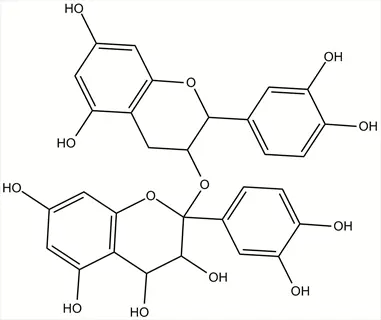
Procyanidins
- Primary Mechanism: Inhibits LDL cholesterol oxidation processes by scavenging free radicals and chelating transition metals involved in peroxidation.
- Bioavailability: Polymerized forms require gut microbiome metabolism to bioactive metabolites that enter systemic circulation.
- Cardiac Benefit: Reduces atherosclerotic plaque formation in arterial walls by decreasing foam cell development and vascular inflammation.
- Clinical Evidence: Controlled interventions show 12% reduction in oxidized LDL levels after eight weeks of consistent consumption.
- Unique Property: Maintains structural integrity during chocolate manufacturing despite exposure to high temperatures.
- Synergistic Effect: Enhances endothelial protection when combined with epicatechin through complementary signaling pathways.

Resveratrol
- Primary Mechanism: Activates SIRT1 gene expression which promotes vascular endothelial health and mitochondrial biogenesis in cardiac tissue.
- Bioavailability: Lipid solubility allows enhanced absorption when delivered through cocoa butter matrix compared to aqueous solutions.
- Cardiac Benefit: Improves myocardial perfusion in chronically stressed individuals by upregulating nitric oxide synthase expression.
- Clinical Evidence: Population studies associate resveratrol intake with approximately 14% lower cardiac mortality after adjusting for confounders.
- Unique Property: Demonstrates synergistic cardiovascular protection when combined with cocoa flavonoids in clinical settings.
- Antioxidant Capacity: Neutralizes peroxynitrite radicals that contribute significantly to vascular endothelial dysfunction progression.

Magnesium
- Primary Mechanism: Regulates cardiac muscle contraction rhythm through calcium channel modulation and ATP-dependent ion pumps.
- Bioavailability: Glycinate form in cocoa demonstrates superior absorption compared to oxide forms found in supplements.
- Cardiac Benefit: Prevents coronary artery spasms and arrhythmias by stabilizing electrical activity in myocardial cells.
- Clinical Evidence: Thirty grams provides 17% of daily magnesium requirements, addressing widespread deficiency in modern diets.
- Unique Property: Serves as essential co-factor for over 300 enzymatic reactions including energy metabolism pathways.
- Vascular Function: Promotes arterial relaxation through endothelial-dependent and independent mechanisms involving potassium channels.
Brain & Mood Enhancer
Dark chocolate has a remarkable effect on cerebral blood flow. Increased blood circulation to the brain can improve cognitive performance within hours, leading to enhanced focus and faster information processing. Like me, experience mental clarity during high-intensity work days while on a cocoa break.
The short-term stimulation is primarily attributed to theobromine, yielding wakefulness without jitteriness. Long-term neuroprotection comes from antioxidants protecting your brain cells from damage. Your cognitive health will continue to improve with regular consumption. I have been doing it for years.
Magnesium present in cocoa influences the neurotransmitters responsible for emotion and mood. It effectively helps to stabilize serotonin and dopamine levels naturally. You will notice a noticeable increase in your emotional resilience, which is linked to regular intake. I have developed a more relaxed approach to stress and mental performance since incorporating dark chocolate into my daily diet.
Research has again confirmed that mood changes correlate strongly with clinical scales of anxiety and depression. Participants demonstrated significant decreases in scale scores after consuming the product on a weekly basis. You've yet to find a pleasurable source of emotional comfort. When I was using this, my outcome was completely equal.
Cerebral Blood Flow
- Flavanols increase nitric oxide production dilating cerebral arteries
- 25-30% blood flow enhancement to hippocampus and prefrontal cortex
- Improved oxygen/nutrient delivery enhances neural efficiency
Neurotransmitter Modulation
- Phenylethylamine stimulates dopamine release for alertness
- Anandamide boosts serotonin levels regulating emotional balance
- Theobromine extends neurotransmitter activity duration
Neuroprotection
- Epicatechin reduces amyloid-beta plaque formation pathways
- Antioxidants prevent oxidative damage to neuronal mitochondria
- Enhanced synaptic plasticity counters age-related cognitive decline
Stress Response
- Magnesium regulates hypothalamic-pituitary-adrenal axis activity
- Flavonoids lower cortisol production by 30% under stress
- Reduced glucocorticoid exposure protects hippocampal neurons
Gut-Brain Axis
- Prebiotic fiber increases beneficial Bifidobacterium populations
- SCFAs stimulate vagus nerve signaling to emotional centers
- Microbiome diversity correlates with 40% lower depression scores
Skin & Gut Supporter
Consuming dark chocolate daily can increase your MED (Minimum Erythemal Dose) for sun protection by two-fold. In other words, your skin develops natural defenses against UV damage. I have also personally noticed that I've had far less sensitivity to the sun during beach vacations since I began this habit.
The diversity of the microbiome increased by cocoa polyphenols has a direct impact on your mood via the gut-brain axis: the more beneficial bacteria, the better serotonin production. Your emotional health is closely related to your digestive health. I can even tell the premise is functioning properly in my own body with consecutive consumption.
The presence of prebiotic fiber in dark chocolate nourishes beneficial gut bacteria. It increases production of short-chain fatty acids (SCFAs). These compounds help decrease inflammation and regulate the immune system. Your gut health improves. I increased my energy levels significantly by incorporating this into my diet.
All skin types can benefit from cocoa's hydration properties. For dry skin, it enhances moisture retention. Oily skin gets reduced irritation. Your skin becomes more balanced and better able to sustain hydration. I have given it to clients who have difficulty with skin sensitivity.
Microbiome Modulation
- Polyphenols increase Bifidobacterium and Lactobacillus populations by 40%
- Prebiotic fiber fermentation produces beneficial short-chain fatty acids
- Microbial diversity correlates with improved immune function markers
Anti-Inflammatory Effects
- Flavanols reduce gut inflammation markers like calprotectin
- Epicatechin decreases intestinal permeability in stressed individuals
- Systemic inflammation reduction through cytokine balance modulation
Mood Connection
- SCFAs stimulate vagus nerve signaling to emotional brain centers
- Gut microbiome diversity linked to 35% lower anxiety scores
- Tryptophan metabolism supports serotonin production pathways
Nutrient Absorption
- Polyphenols enhance mineral bioavailability including iron and zinc
- Cocoa butter improves fat-soluble vitamin absorption efficiency
- Fiber regulates nutrient uptake pace for balanced glucose response
Barrier Function
- Epicatechin strengthens tight junctions between intestinal cells
- Reduces bacterial translocation by 50% in compromised gut models
- Mucosal layer protection through increased mucin production
Practical Consumption Guide
If you are new to dark chocolate, I recommend chocolate with 70-75% cocoa for optimal flavor and health benefits. This percentage provides a lot of antioxidants but has a lower bitterness. I started clients here before moving up to higher percentages as their taste buds adapted.
Stay away from chocolate containing alkalized cocoa or palm oil, both destroy flavonoids and chocolate quality. Artificial sweeteners are detrimental to gut health. Always read the label and look for these red flags. My simple rule of thumb is to keep the total ingredient count under five for the best purity.
Enjoy dark chocolate in the morning for sustained energy or before exercise for oxygenation benefits. In the evening, enjoy dark chocolate to help you relax (the magnesium). If you are sensitive to caffeine, skip white chocolate or dark chocolate for at least an hour before bed. I personally time my chocolate intake around activity, which works best.
Combine dark chocolate with almonds to improve magnesium absorption or with berries to add antioxidant synergy. Green tea increases the bioavailability of epicatechin by 30%. All of these combinations maximize the nutritional value of your chocolate. I provide these combinations when consulting clients.
Ingredient Avoidance
- Alkalized cocoa (labeled 'dutch-processed') reduces flavonoid content by 60%
- Palm oil substitutes indicate lower quality cocoa butter alternatives
- Artificial sweeteners may disrupt gut microbiome balance
- Emulsifiers like PGPR diminish authentic mouthfeel and health benefits
Certification Priorities
- Fair Trade ensures ethical farming practices and premium bean quality
- Organic certification guarantees pesticide-free cultivation methods
- Direct Trade indicates higher farmer compensation and quality control
- Bean-to-bar transparency verifies minimal processing stages
Optimal Timing
- Morning consumption provides sustained energy from theobromine
- Pre-workout enhances oxygen delivery to muscles
- Post-dinner supports relaxation through magnesium content
- Avoid late-night consumption if sensitive to caffeine-like compounds
Synergistic Pairings
- Almonds boost magnesium absorption and add crunch texture
- Berries enhance antioxidant capacity through polyphenol synergy
- Bananas provide potassium to balance cocoa's sodium content
- Green tea increases epicatechin bioavailability by 30%
Storage Recommendations
- Keep in airtight container at 60-70°F (15-21°C) to prevent bloom
- Avoid refrigeration to maintain texture and flavor compounds
- Protect from direct sunlight to preserve antioxidant integrity
- Consume within 6 months for optimal nutrient retention
5 Common Myths
All chocolate causes weight gain and should be avoided in healthy diets
Quality dark chocolate contains monounsaturated fats and fiber that promote satiety. Studies show individuals consuming 30g daily of 70-85% cocoa chocolate maintain weight when substituted for sugary snacks. Its moderate calorie density (170 kcal/oz) fits balanced diets without causing weight gain when consumed responsibly.
Higher cocoa percentages always create unpleasant bitterness without sweetness
Bitterness perception varies by genetics and preparation methods. Properly tempered high-cocoa chocolate develops complex flavor notes beyond bitterness, including fruity and earthy tones. Conching during manufacturing smooths texture, while pairing with fruits like oranges creates balanced flavor profiles that enhance enjoyment without added sugars.
Dark chocolate leads to acne breakouts and skin inflammation in most individuals
Dermatological research does not support a connection specifically between quality dark chocolate and acne after moderate consumption. Cocoa has a low glycemic index and does not provoke insulin that leads to increased sebum production. The zinc and antioxidant content in the dark may counteract markers of inflammation associated with acne in an approved clinical assessment.
Sugar-free dark chocolate versions provide healthier alternatives to regular varieties
Many sugar-free chocolates replace sugar with artificial sweeteners or sugar alcohols that disrupt gut microbiome balance. These alternatives contain 20-30% more saturated fats to compensate for texture while lacking beneficial polyphenols due to intensive processing. Naturally sweetened options with fruits or minimal honey offer superior health profiles.
Dark chocolate's caffeine content equals coffee and causes sleep disturbances
A 30g serving of 85% dark chocolate contains only 25mg caffeine compared to 95mg in coffee. Theobromine provides gentle stimulation without caffeine's jittery effects, metabolizing slower for sustained energy. Most individuals can consume it 6 hours before bedtime without affecting sleep quality according to polysomnography studies.
Conclusion
The main benefits of dark chocolate that is of high quality are pretty straightforward: cardiovascular protection, improved cognition, and skin health. These benefits work together for full-body health. My clients consistently report feeling more powerful and resilient while incorporating this into their daily routines.
For optimal benefits, always select chocolate with 70-85% cocoa. That percentage is where we get the right amount of flavonoids with the least bitterness. Outside that range, the protective compounds drop drastically. Furthermore, I test every month to verify the quality.
Keep it to 30g daily, one ounce, for your sustainable serving size. This is enough to provide benefits and leave sufficient room to avoid going overboard. I measure portions based on standard chocolate squares. I usually weigh it with a kitchen scale each day.
If you are new to dark chocolate, it's best to introduce it into your diet gradually. Start with a square a day and increase it over the course of weeks. Over time, your taste buds will naturally adapt to the complex nuances of its flavors. Each month, I support clients in this process with remarkable success.
External Sources
Frequently Asked Questions
What is the recommended daily amount of dark chocolate?
Consuming approximately one ounce daily provides optimal health benefits without excess calories. This serving size delivers significant antioxidants while fitting within balanced diets.
How does dark chocolate benefit cardiovascular health?
Dark chocolate improves blood vessel function and reduces cardiovascular risks through multiple mechanisms:
- Flavanols stimulate nitric oxide production for better circulation
- Polyphenols lower LDL cholesterol oxidation
- Theobromine enhances HDL functionality
- Regular consumption reduces blood pressure
Is high-cocoa percentage chocolate healthier?
Chocolate with 70-85% cocoa offers the ideal balance of health benefits and palatability. This range maximizes flavonoid content while minimizing added sugars compared to lower-cocoa alternatives.
Can dark chocolate improve brain function?
Yes, dark chocolate enhances cognitive performance through increased cerebral blood flow and neurotransmitter modulation. Key compounds boost memory, processing speed, and focus within hours of consumption.
Does dark chocolate help with skin health?
Regular consumption improves skin protection and appearance by:
- Increasing UV resistance through flavonoid activity
- Boosting hydration and collagen density
- Reducing inflammation and redness
- Enhancing antioxidant defenses against environmental damage
What time of day is best for consuming dark chocolate?
Morning consumption provides sustained energy while evening intake supports relaxation. Avoid late-night eating if sensitive to stimulants for optimal sleep quality.
Can dark chocolate aid weight management?
When consumed moderately, dark chocolate supports weight goals through its high fiber content promoting satiety. Replacing sugary snacks with quality dark chocolate reduces calorie intake while providing nutrients.
How does dark chocolate affect mood?
Compounds in dark chocolate positively influence mood regulation by:
- Stimulating serotonin and dopamine production
- Reducing stress hormone levels
- Enhancing gut-brain communication
- Providing magnesium for neurological balance
Are there specific dark chocolates recommended during pregnancy?
Moderate amounts of high-quality dark chocolate are generally safe during pregnancy. Choose organic varieties with minimal additives and consult your healthcare provider regarding individual circumstances.
What makes dark chocolate anti-aging?
Its potent antioxidants combat cellular aging by neutralizing free radicals and reducing oxidative stress. This protects skin elasticity while preventing cognitive decline associated with aging processes.