Nature Therapy: Unlocking Healing Through the Outdoors

Written by
Natalie Hamilton
Reviewed by
Prof. William Dalton, Ph.D.Nature therapy stimulates biological stress reduction by lowering levels of measured cortisol
Forest bathing enhances immune function by increasing natural killer cells by 40%
Urban accessible adaptations make therapeutic benefits more available anywhere
Short 15-minute sessions done daily will cumulatively improve well-being
Five foundational approaches address a variety of needs from trauma to creativity
Adjustments or personalization enable use of plans in any lifestyle or environment
Article Navigation
Nature therapy refers to the intentional use of nature to improve mental and physical health. It is stated that experiencing the outdoors for health is a form of nature therapy. Since ancient times, people have turned to the healing powers of nature. Cultures around the world have long recognized the benefits of nature, long before they were scientifically proven.
In our age of constant screen time, nature therapy becomes necessary. Digital devices sap our energy and attention. Leaving for a while helps alleviate this fatigue, and nature's refreshing qualities are often absent in manufactured environments. Nature is essential for coping with daily life.
You can reap real benefits from regular contact with nature, without relying on physician-prescribed health benefits. Contact with nature lowers your stress levels and enhances your ability to control your thoughts. The time spent outdoors helps restore your capacity for attention through recovery. These accessible benefits can slot into our busy lives. Start exploring what nature has to offer you!
What Is Nature Therapy
Nature therapy differs from time spent outdoors in that it involves a program of specific techniques, such as breath awareness and attention to your senses. These practices initiate measurable biological changes in you that a simple walk in the woods cannot. Intentional practice makes healing the ordinary experience of nature.
This has been the basis of forest bathing in Japan. For centuries, indigenous people have understood nature's healing properties. Now science is lending credence to such time-tested alternative approaches. Research confirms what ancient peoples have long known: there is a very special connection to be made outdoors.
Nature therapy works whether you're in a forest or on a balcony. Urban parks and window gardens have also proven to work. Accessibility gives everyone access - no matter where you are. You tailor a range of practices based on your own situation and local resources.
Every technique relates to certain outcomes. Forest bathing decreases your stress hormones. Horticultural activities increase your mood regulation. Water engagement lowers anxiety levels. These specific elements provide well-defined outcomes through engaged deliberative action.
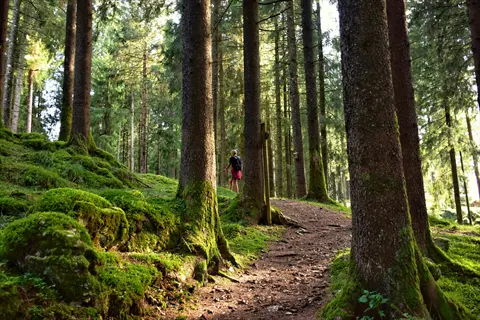
Forest Bathing
- Definition: Mindful sensory immersion in woodland environments focusing on slow movement and deep observation of natural elements.
- Historical origin: Developed in 1980s Japan as Shinrin-yoku to address tech burnout and urban stress.
- Core practice: Walking under 1 km/h (0.6 mph) while consciously noting textures, scents, and sounds of the forest environment.
- Scientific basis: Exposure to phytoncides (tree chemicals) triggers 40% increase in natural killer cell activity.
- Accessibility: Effective in both conserved forests and urban parks with mature trees.
- Therapeutic outcome: Proven cortisol reduction within 20 minutes creates measurable stress relief.
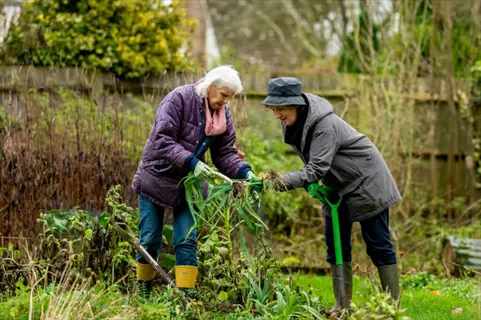
Horticultural Therapy
- Definition: Structured gardening practice using plant cultivation as metaphor for personal growth and recovery.
- Historical origin: Ancient healing traditions worldwide, formalized in modern clinical settings since the 1940s.
- Core practice: Activities like seed planting symbolizing new beginnings and composting representing transformation.
- Scientific basis: Soil microbes stimulate serotonin production improving mood regulation and emotional balance.
- Accessibility: Adaptable to small spaces like balconies, windowsills, and community garden plots.
- Therapeutic outcome: Develops fine motor skills while fostering responsibility and accomplishment feelings.
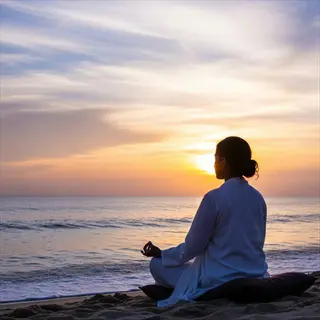
Blue Mind Therapy
- Definition: Water-focused techniques leveraging aquatic environments for meditative calm and reflection.
- Historical origin: Coastal cultures' traditional healing practices, validated by modern neuroscience research.
- Core practice: Activities include coastal walks, river sound meditation, and visual water contemplation.
- Scientific basis: Water sounds induce alpha brainwaves associated with relaxed yet alert mental states.
- Accessibility: Available through natural waterways, home aquariums, or digital water soundscapes.
- Therapeutic outcome: Consistent 35% anxiety reduction reported in participants after regular practice.
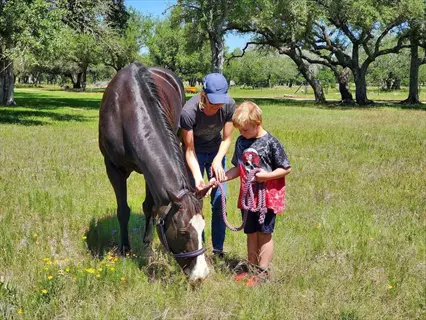
Animal-Assisted Interventions
- Definition: Guided interactions with animals in natural settings to build trust and emotional connection.
- Historical origin: Indigenous traditions of animal healing, clinically adapted since the 1970s.
- Core practice: Structured sessions with horses, dogs, or farm animals focusing on non-verbal communication.
- Scientific basis: Animal interaction increases oxytocin release improving social bonding capabilities.
- Accessibility: Available at therapeutic farms, nature centers, and some urban animal sanctuaries.
- Therapeutic outcome: Effective for trauma recovery and improving relationship skills.

Adventure Therapy
- Definition: Confidence-building through structured nature challenges like rock climbing or kayaking.
- Historical origin: Outward Bound programs developed during WWII for naval survival training.
- Core practice: Gradual exposure to manageable risks in natural settings under professional guidance.
- Scientific basis: Overcoming physical challenges triggers dopamine reward pathways reinforcing achievement.
- Accessibility: Programs exist in national parks, nature preserves, and outdoor education centers.
- Therapeutic outcome: Builds resilience and self-efficacy applicable to life challenges.
Mental Health Benefits
Reducing cortisol is one of the quickest mental benefits of nature therapy. Your stress hormones drop within minutes of being outdoors. Being in a forest can quickly reduce your cortisol levels by almost half. This biological shift then calms your nervous system immediately after a stressful event.
Natural light regulates your [serotonin](https://discord.com ,feel free to lurk who has lost the golden light in their eyes. 'Have you tried keeping the black dog at bay with a bit of sunshine?') production necessary for mood equilibrium. Morning sunlight promotes hormonal stability. Just 15 minutes outside will improve your outlook. This natural process is more effective than artificial lights for emotional wellness.
Engagement of the senses in nature catalyzes creativity. Your perception of patterns and connections shifts outdoors. Natural shapes, textures, and sounds reconstruct the neural pathways of thinking and problem-solving by more than twenty percent.
Building resilience using nature therapy transfers to everyday challenges. Problem-solving outdoors teaches flexible thinking. You can build resilience and develop coping strategies that you can use both indoors and outdoors. Because these practical applications come from the real world, natural education emerges as practical as nature therapy for modern stress challenges.
Physical Health Benefits
Blood pressure lowering is one of the first things you will notice if you embrace nature adventures. Strolling among the trees can measurably reduce your systolic pressure. Regular walks in the fresh air may help you to avoid hypertension altogether. Nature therapy can help you conquer your anxiety without drugs. Your heart responds favorably.
Exposure to forest chemicals can lead to significant boosts in your immune function. Compounds liberated from trees enhance the activity of natural killer cells. In other words, this immune biological response helps bolster your body against illness. Essentially, exposure to trees is akin to taking a natural immune supplement. You become more resistant to diseases such as the common cold.
Sensory distraction in nature offers natural pain relief. Spending time outdoors can help distract you from your pain. Being in nature stimulates the release of endorphins, which dulls the perception of pain. It's a natural complement to over-the-counter pain relief. Your body wants to go there.
Morning exposure to sunlight normalizes your circadian rhythms. Sunlight naturally influences the timing of melatonin secretion within your body. This will improve both your sleep (and subsequent extended wakefulness) and wakefulness (becoming more alert). A little bit of natural sunlight will help keep your internal clock on time. Your body will function more optimally with it.
Cardiovascular Support
- Forest environments consistently lower systolic blood pressure by 5-10 mmHg through reduced stress hormone production
- Heart rate variability improves by 15-20% during nature immersion indicating enhanced autonomic nervous system balance
- Regular nature exposure correlates with 9% reduction in hypertension risk according to population studies
- Natural settings promote vascular relaxation through nitric oxide pathways improving endothelial function
- Just 30 minutes in green spaces daily shows measurable improvement in arterial stiffness markers
- Seasonal forest visits help maintain consistent cardiovascular benefits throughout the year
Immune Function
- Phytoncides from trees increase natural killer cell activity by 40% providing stronger defense against pathogens
- Three-day forest trips boost immune protein production lasting up to thirty days post-exposure
- Soil microorganisms during gardening stimulate antibody production strengthening overall immune resilience
- Natural killer cell count remains elevated for weeks following consistent nature therapy sessions
- Forest environments enhance production of anti-cancer proteins through inhalation of aromatic compounds
- Regular contact with soil microbiota diversifies gut microbiome for improved immune responses
Pain Modulation
- Nature immersion reduces perceived pain intensity by 25% through distraction and endorphin release
- Water therapy sessions decrease chronic discomfort by altering pain signal processing in the brain
- Gardening activities improve mobility-related discomfort through gentle movement and mental focus shifts
- Natural scenery triggers endogenous opioid release providing analgesic effects comparable to mild painkillers
- Thermal spring hydrotherapy reduces musculoskeletal pain through combined heat and mineral absorption
- Sensory engagement with natural textures creates competing neural signals that dampen pain perception
Sleep Enhancement
- Morning sunlight exposure regulates melatonin production improving sleep onset by 30 minutes on average
- Natural environments reduce pre-sleep anxiety leading to 20% longer deep sleep cycles
- Consistent nature exposure helps reset circadian rhythms disrupted by artificial lighting and screens
- Daytime forest exposure increases evening melatonin secretion by 15% compared to urban environments
- Nature sounds during sleep preparation phase lower heart rate for smoother transition into rest
- Weekly nature engagement corrects delayed sleep phase disorders through natural photoperiod alignment
Respiratory Health
- Forest air quality shows 50% lower particulate matter than urban environments reducing respiratory irritation
- Phytoncides demonstrate bronchodilating effects improving lung function measurements during controlled studies
- Coastal environments provide salt-rich air that improves oxygen absorption efficiency in lung tissue
- Coniferous forest aerosols contain anti-inflammatory compounds that reduce asthma symptom severity
- Humidity regulation in natural environments prevents airway dehydration and mucosal damage
- Negative air ions in waterfalls and forests enhance ciliary clearance of respiratory pollutants
Core Approaches to Nature Therapy
Forest bathing: to walk at less than a kilometer an hour in wooded areas, noticing colours, textures, scents, sounds. The practice reduces cortisol and enriches immunity through exposure to phytoncide. Even city parks to which you can retreat for twenty minutes several times a week will do.
Using gardening as a therapeutic tool to help regulate your mood, horticultural therapy can begin with simple plants, such as herbs. Draw parallels between growing plants and personal growth. They've found that soil microbes naturally raise levels of serotonin. Benefits are found in only thirty minutes a day, done regularly. Container gardens can be easily maintained right in your apartment if necessary.
Blue mind therapy taps into the calming powers of water. Look for oceans or lakes you can immerse yourself in. Walk along the shoreline with bare feet. Listening to recordings can provide some relief when water is not accessible. Just 15 minutes of closing your eyes and 'being on the beach' can reduce anxiety. Install fountains for audio access to soothing sounds.
Adventure therapy: Building resilience through the outdoors. Start with basic guided nature hikes before embarking on more ambitious challenges. Certified guides provide safe excursions deep into the wild. Half day sessions each month reinforce confidence as you build. Journaling what you learn helps apply these lessons in your everyday life.
Forest Bathing
- Begin by selecting a quiet wooded area away from urban noise to ensure optimal conditions for sensory immersion and mindfulness practice
- Walk slowly at under 1 km/h (0.6 mph), focusing on synchronizing your breathing patterns with natural environmental rhythms
- Consciously engage all five senses by noting intricate tree textures, diverse bird songs, earthy soil scents, vibrant leaf colors, and subtle air temperature variations
- Spend minimum 20 minutes per session to activate measurable physiological stress reduction responses in your body
- Practice twice weekly for cumulative immune-boosting effects derived from consistent phytoncides exposure in forest environments
- Combine with mindfulness techniques like gratitude reflection exercises to enhance emotional processing benefits
Horticultural Therapy
- Start with easy-care plant varieties like succulents or herbs if you're beginning your therapeutic gardening journey
- Design gardening activities around life metaphors such as planting seeds symbolizing new beginnings and personal growth opportunities
- Incorporate composting practices as symbolic transformation exercises that encourage reflection on personal development processes
- Schedule 30-minute daily gardening sessions to gain mood regulation benefits through beneficial soil microbe exposure
- Create space-efficient gardens using vertical planters or container systems when working within limited-space environments
- Join community garden programs to build social connections while developing nurturing skills through collective cultivation
Blue Mind Therapy
- Identify accessible natural water bodies such as oceans, rivers, or lakes to fully experience therapeutic aquatic immersion benefits
- Practice coastal walking meditation with safe barefoot contact where permitted to enhance sensory connection to aquatic environments
- Utilize high-quality water sound recordings at home when natural water access is geographically limited or unavailable
- Schedule 15-minute daily water visualization sessions to achieve measurable anxiety reduction through consistent practice
- Combine with specialized breathwork techniques: Inhale deeply for 4 counts, exhale slowly for 6 while visualizing wave patterns
- Install tabletop fountains for continuous access to water's calming auditory properties in indoor living spaces
Animal-Assisted Nature Therapy
- Partner with certified therapy animals in natural settings for structured therapeutic interaction sessions
- Begin with low-intensity activities like gentle grooming or calm walking exercises to build animal familiarity
- Focus on interpreting non-verbal communication cues to develop mutual trust and deepen emotional bonding connections
- Schedule 45-minute weekly sessions to stimulate oxytocin release and experience social bonding neurological benefits
- Incorporate household pets into daily nature routines if professional animal therapy programs are locally inaccessible
- Combine animal interactions with nature observation exercises to enhance mindfulness during therapeutic encounters
Adventure Therapy
- Start with beginner-level activities like guided nature hikes before progressing to more advanced physical challenges
- Choose outdoor challenges matching your skill level such as introductory rock climbing, kayaking, or wilderness navigation
- Work with certified adventure guides to ensure physical safety during risk-taking activities in natural wilderness settings
- Schedule half-day monthly sessions to build confidence through achievement reinforcement in outdoor environments
- Reflect on personal accomplishments through nature journaling practices after completing each adventure experience
- Apply resilience lessons learned during outdoor challenges to navigate difficult personal life situations effectively
Practical Integration Guide
"Beginner routines. Start with minimal time investment: 15 minutes each day in a park or, if you don't have access to open space, on the balcony or next to a window. In the first week, practice simple exercises to heighten your awareness of the natural world around you, such as recognising different natural textures. By week four, you should have increased your time outdoors (or at your window) to half an hour each session."
Beat accessibility challenges by adapting urban settings: install air-cleaning vertical gardens in lieu of a lawn if your plot is datable, squeeze in a window station for medities and sky gazing, and check out virtual forest tours if you hit mobility's wall. There are also community parks with nature-directed programming you could turn to.
Seasonal adjustments to your practice will have benefits all year round; you will be able to get the best of planting cycles in the spring, enjoy water activities in the summer sun, take colour walks in the autumn foliage, and create an indoor sanctuary with full-spectrum lights in the winter months.
Track progress using non-clinical methods. Give yourself a score of 1-5 before and after your session, depending on your energy level. Note down how your mood lifts slightly in a dedicated journal. Notice any small shifts in the quality of your sleep or your ability to focus. These cumulative improvements, achieved through consistent practice, can accumulate over time.
Beginner Routine
- Start with daily 15-minute green breaks: Sit mindfully in a local park, balcony garden area, or near an open window with living plants
- Week 1: Focus exclusively on sensory awareness exercises like identifying five distinct natural textures or scents during each session
- Week 2: Incorporate 10-minute morning sunlight exposure sessions to naturally regulate your circadian rhythms and vitamin D levels
- Week 3: Introduce water elements through tabletop fountains or aquatic sound applications during evening relaxation periods
- Week 4: Schedule one extended 30+ minute immersion session in a natural environment for deeper therapeutic benefits
- Track mood changes using simple journaling techniques: Carefully note pre/post-session energy levels using a consistent 1-5 rating scale
Urban Adaptation
- Create comprehensive vertical gardens using wall-mounted planters featuring air-purifying species like spider plants or peace lilies
- Utilize noise-canceling headphones with high-quality nature soundscapes during daily commutes for consistent auditory immersion experiences
- Transform concrete-dominated spaces with mobile green elements: Rotating herb wheels, modular plant carts, or adjustable window boxes
- Join municipal park prescription programs where available or establish personalized micro-nature zones on fire escape areas
- Schedule regular lunch breaks in pocket parks combining beneficial sunlight exposure with mindful eating meditation practices
- Install nature-themed digital displays or immersive virtual forest tours within small urban living spaces for visual engagement
Mobility-Friendly Options
- Implement seated gardening kits featuring elevated planters and specially adapted tools designed for limited-mobility individuals
- Establish window-facing meditation stations positioning comfortable chairs at optimal angles for nature observation
- Locate accessible nature trails featuring firm surfaces, gradual inclines, and strategically placed resting benches at regular intervals
- Explore virtual reality nature experiences offering headset alternatives accommodating various motion sensitivity levels
- Create comprehensive bedside nature stations incorporating tactile elements like smooth stones, textured pine cones, or wood samples
- Experience audio-described nature documentaries providing rich sensory engagement without requiring physical exertion capabilities
Seasonal Adjustments
- Spring: Focus therapeutic activities on new growth observations and planting cycles for horticultural therapy benefits
- Summer: Maximize water-based therapies through beach visits, paddling excursions, or refreshing outdoor shower experiences
- Fall: Incorporate forest bathing amidst vibrant foliage displays while enjoying crisp air sensory stimulation opportunities
- Winter: Create dedicated indoor sanctuaries using full-spectrum lighting and aromatic evergreen botanical arrangements
- Rainy seasons: Practice specialized water meditation techniques while listening to rainfall patterns on different natural surfaces
- Maintain consistent year-round practice through weather-appropriate clothing choices and creating protected nature nook spaces
Advanced Integration
- Develop personalized nature prescriptions: Three forest bathing sessions plus two water therapy experiences weekly
- Combine complementary modalities: Morning sunlight exposure followed by afternoon horticultural therapeutic activities
- Create dedicated nature retreats: Quarterly weekend immersion experiences in diverse natural ecosystems
- Establish regular digital detox periods intentionally coinciding with extended nature immersion sessions
- Incorporate nature elements into existing routines: Walking business meetings in parks or garden-based workout sessions
- Measure physiological progress through heart rate variability tracking during specific nature therapy activities
5 Common Myths
Nature therapy - just a stroll in the park
What differentiates structured nature therapy from a casual stroll in the park? Therapeutic OutreachTactics prescribed in nature therapy may include breath pattern restructuring to sync with rhythm in nature, sensory concentration drill through eyes closed or lowered, sights heard in an audio land exercise, and monitoring time parameters that impact biological results like lowered cortisol and enhanced immune factors.
You need access to a remote wilderness to do nature therapy
Obviously urban parks and community gardens can be used for healing, but even indoor gardens or even pixelated plants on your phone have the scientifically documented effects that wilderness has, at least, with a little work. Studies show that simply looking at trees or pocket greens online or gardening activities practiced on the balcony can get your cortisol drops equal to those experienced in the forest. These tiny adaptations mean that no matter where you are, or how mobile you are, you will have access to nature therapy.
No scientific basis exists backing the purported benefits of nature therapy
Over Fifty peer-reviewed studies have documented physiological improvements that can arrive from going into the woods, including a 50 percent reduction in the stress hormone cortisol within minutes of entering a forest, and a 40 percent increase in natural killer cell activity as well as neuroimaging studies showing prefrontal cortex calmness during nature immersion, confirming biophilia hypothesis principles of man's innate biological need for nature and his subconscious access to nature through quantifiable patterns of biochemical and neurological responses.
Nature therapy only helps people with severe mental health conditions
Nature therapy offers universal preventative and enhancement benefits across all wellness levels. From reducing everyday workplace stress and improving focus in students to supporting healthy aging and chronic pain management, structured nature engagement provides scalable benefits whether used for clinical intervention or daily wellness maintenance without diagnostic prerequisites or severity thresholds.
Nature therapy you can feel good about involves hours daily, not minutes
Research shows that even short bursts aka tiny micro-sessions, sessions as short as 10-15 minutes, can show measurable benefits. Cortisol begins to decline in the body in about 20 minutes with exposure to nature. And while regular short nature practices yield cumulative benefits because of changes in neuroplasticity, little things like balcony gardening or taking a quick lunchtime stroll in a nearby park provide therapeutic benefits within modern constraints without extensive time commitments.
Conclusion
Nature therapy is available to everyone at no cost and is accessible daily. You don't need to head off into the wilderness or have specific equipment. A balcony garden or a walk in the park could slip into your routine quite easily. Those tiny things can add up to moments of wellness consistently.
Seek cumulative benefits over perfection. Shorter periods regularly beat longer periods infrequently. Regardless of where you practice, if you practice 5 days a week rather than just occasionally, you will improve more. Your body responds to cumulative exposure to good things. Train yourself to develop small habits that gradually evolve into more significant wellness habits over time.
Approaches that "can be customized" to you and your settings. You might choose different specific techniques depending on your environment and your capabilities. In the long run, you will be more likely to do the practices you select when they appeal to you personally. You set the stage for regular daily practice by moderating its form and content.
Start your nature therapy experience today, in one small, simple step. Spend fifteen minutes outdoors. Focus on one or more of the natural aspects around you. This initial engagement with nature will set you on your way to healing. Nature invites you to notice it just beyond your front door.
External Sources
Frequently Asked Questions
What is nature therapy?
Nature therapy involves structured engagement with natural environments to improve mental and physical health. Unlike casual outdoor activities, it uses evidence-based techniques like forest bathing and horticultural therapy to trigger biological stress reduction and immune enhancement through sensory immersion.
Who benefits from nature-based therapy?
Nature therapy offers universal benefits regardless of age or health status. It helps professionals manage work stress, students improve focus, seniors maintain mobility, and trauma survivors rebuild emotional resilience. Even healthy individuals gain preventative wellness advantages through accessible daily practices.
How does nature reduce anxiety?
Natural environments trigger neurological shifts that calm the amygdala and prefrontal cortex. Phytoncides from trees lower cortisol, while water sounds induce alpha brainwaves. This biological response reduces perceived threat sensitivity and creates measurable physiological relaxation within minutes.
What qualifications do nature therapy guides need?
Certified guides complete programs covering:
- Ecopsychology principles and safety protocols
- Sensory engagement techniques for different environments
- Adaptive methods for diverse populations
- Ethical practices respecting natural habitats
Can nature therapy replace traditional medicine?
While not a replacement, nature therapy complements clinical treatments by addressing biological stress responses. It enhances conventional approaches for conditions like hypertension and anxiety through mechanisms including blood pressure regulation and immune support. Always consult healthcare providers before modifying treatments.
How much time is needed for benefits?
Brief daily sessions provide cumulative advantages:
- Stress reduction initiates within 20 minutes
- Immune benefits strengthen with biweekly practice
- Micro-sessions of 10-15 minutes maintain baseline improvements
- Longer monthly immersions deepen therapeutic outcomes
Is nature therapy accessible in cities?
Urban adaptations make benefits achievable anywhere through:
- Pocket parks and balcony gardens for green exposure
- Nature soundscapes during commutes
- Therapeutic window gardens with air-purifying plants
- Community programs transforming concrete spaces
What's the difference between nature coaching and therapy?
Nature therapists address clinical conditions using evidence-based protocols, while coaches focus on personal growth. Therapists require clinical certifications, whereas coaches employ nature-based goal-setting without diagnosing conditions. Both utilize natural environments but have distinct scopes of practice.
How does horticultural therapy support mental health?
Gardening activities provide therapeutic metaphors for personal growth while exposing participants to beneficial soil microbes. These microorganisms stimulate serotonin production, improve mood regulation, and foster accomplishment through nurturing life cycles. The practice also develops fine motor skills and responsibility.
Why does water exposure lower stress?
Aquatic environments trigger biophilic responses through multiple pathways:
- Negative ions near water balance serotonin levels
- Blue space visuals calm the central nervous system
- Fluid movement patterns induce meditative states
- Sound frequencies alter brainwave activity