Sleep Science Explained: Essential Guide

Written by
Natalie Hamilton
Reviewed by
Prof. Benjamin Murphy, Ph.D.According to sleep science, an optimal temperature (between 60-67 degrees Fahrenheit) is essential for good quality deep sleep.
Eat foods high in tryptophan (like turkey) about 3 hours before bed to optimize melatonin production.
Aim to complete four sleep cycles (90 minutes each) each night for full restoration of the body.
Deep N3 sleep also stimulates the release of important growth hormone for repair of tissue.
Synchronize circadian rhythms with exposure to bright light in the morning to help regulate sleep timing.
Avoid alcohol before bed. It reduces time spent in REM sleep by 40%.
Article Navigation
Like air and water, you are nothing without sleep. *Sleep science* is revealing how every single cell in your body needs this reset daily; it shows how your brain transitions between states of waking and restoring; it even reveals how robbing yourself of sleep forever alters your health.
Scientists investigate electrical activity in your sleeping brain. They analyze chemical changes throughout your nervous system. Sleep science demonstrates that inadequate sleep impairs your immune function. In fact, sleep has been shown to diminish your problem-solving skills the following day.
We're now going to examine the factors that influence the quality of your sleep, including the various stages of sleep you experience each night, the environment in your bedroom, your diet, and even your internal body clock.
Sleep Environment Essentials
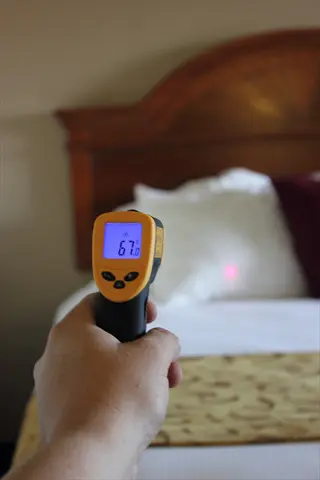
Your bedroom temperature is the most important factor in getting quality sleep. The ideal temperature is somewhere between 60°F and 67°F to help your body effortlessly reach its natural cool point. The drop in temperature alerts your body to release melatonin. Of course, if you're sweating or shivering all night, it disrupts your sleep cycles repeatedly.
Darkness triggers your body's melatonin production, and light from streetlamps or electronics tricks it into thinking it's still daytime. Be strict with light-blocking curtains and cover your alarm clock's bright display to minimize the impact of light on your sleep. Even tiny light sources can delay sleep onset by more than an hour.
Constant noise prevents you from moving through the important stages of sleep. White noise machines can eliminate sudden sounds, such as traffic coming to a rest or dogs barking. They create a homogeneous background. Earplugs often work well for light sleepers who need extra sleep that may be interrupted by sudden sounds.
Your mattress and pillows have a direct effect on your spine alignment and heat regulation. Opt for breathable materials such as cotton or bamboo that wick moisture. Toss out the sagging mattress that's giving you back pain! Correct support means less tossing and turning throughout the night.
Temperature Control
- Ideal range: Maintain 60-67°F (15-19°C) for optimal sleep onset and deep sleep quality throughout the night
- Thermal regulation: Body temperature naturally drops during sleep onset; cooler environments accelerate this biological process
- Seasonal adjustment: Increase temperature by 3-5°F (1-2°C) during winter months while maintaining consistent cooling
- Practical cooling method: Take warm bath 90 minutes before bedtime to trigger vasodilation and subsequent cooling response
- Heating caution: Avoid electric blankets that may overheat and disrupt natural thermoregulation during sleep cycles
- Monitoring solution: Use smart thermostats with sleep profiles to automatically adjust temperatures throughout the night

Light Management
- Darkness importance: Complete darkness signals pineal gland to produce melatonin for natural sleep initiation at night
- Blue light avoidance: Eliminate electronic screens 90 minutes before bed to prevent significant melatonin suppression
- Lighting solutions: Install blackout curtains and consider contoured sleep masks for light-sensitive individuals
- Dawn simulation: Use sunrise alarm clocks that gradually increase light intensity for natural morning awakening
- Color temperature: Install amber night lights in bathrooms for nighttime visits without disrupting sleep cycles
- Window treatments: Layer blackout curtains with light-filtering sheers for customizable light control options

Sound Environment
- Noise impact: Sudden sounds disrupt lighter N1 and N2 sleep stages preventing deep sleep progression
- Consistent sound: White noise machines effectively mask disruptions with steady 40-50 decibel background sounds
- Alternative solutions: High-quality earplugs with 32dB noise reduction block environmental disturbances efficiently
- Sound types: Brown noise (deeper tones) provides better coverage for low-frequency urban noises at night
- Placement strategy: Position sound machines between sleepers and noise sources like windows or hallways
- Natural alternatives: Recordings of steady rainfall or ocean waves create soothing natural sound environments

Bedding Comfort
- Material selection: Breathable natural fibers like organic cotton or linen prevent overheating during all sleep stages
- Mattress support: Medium-firm options promote proper spinal alignment reducing pressure point discomfort overnight
- Pillow consideration: Adjust loft height based on sleep position maintaining neutral neck alignment throughout sleep
- Layering system: Use moisture-wicking base layers topped with breathable comforters for temperature adaptability
- Cleaning frequency: Wash bedding weekly in hot water at 130°F (54°C) to eliminate dust mites and allergens completely
- Weighted blankets: Opt for 10% body weight blankets to increase serotonin and melatonin production naturally

Air Quality
- Ventilation importance: Open windows daily to reduce CO2 buildup that causes morning headaches and fatigue
- Humidity control: Maintain 40-60% humidity using humidifiers to prevent dry airways and nighttime coughing
- Purification: HEPA air filters remove 99.97% of airborne particles including dust mites and pollen
- Plant benefits: Snake plants or peace lilies naturally filter toxins while increasing oxygen levels overnight
- Allergen reduction: Use allergen-proof mattress and pillow encasements to create barrier against dust mites
- Avoidance: Remove scented plugins and candles that release volatile organic compounds during sleep hours

Spatial Organization
- Clutter impact: Clear surfaces reduce cognitive stimulation and anxiety when trying to fall asleep at night
- Bed positioning: Place bed against solid wall away from doors and windows to reduce subconscious anxiety
- Electronics zone: Create dedicated charging station outside bedroom to eliminate blue light and EMF exposure
- Minimalist approach: Limit bedroom to sleep-related items only to strengthen mental sleep association
- Color psychology: Use calming blues, greens or neutrals that lower blood pressure and heart rate
- Storage solutions: Install closed storage to hide items that might cause visual distraction before sleep

Aromatherapy
- Lavender benefits: Inhaling lavender oil decreases heart rate and blood pressure for faster sleep onset
- Diffuser timing: Operate diffusers for 30 minutes before bedtime then switch off to prevent potential respiratory issues
- Application methods: Apply diluted oils to wrists or use linen sprays instead of direct inhalation techniques
- Scent combinations: Blend lavender with cedarwood or bergamot for enhanced relaxation and stress relief benefits
- Safety precautions: Ensure proper ventilation and use only 100% pure therapeutic-grade essential oils exclusively
- Alternative delivery: Use ceramic scent stones or dried herb sachets for fragrance without electricity required

Electronics Management
- EMF reduction: Create 3-foot device-free zone around bed to minimize electromagnetic field exposure
- Blue light elimination: Install app-based screen filters that automatically activate after sunset daily
- Charging station: Designate separate room for overnight device charging to remove temptation and light
- Alarm alternatives: Use battery-powered analog clocks instead of bright smartphone displays at night
- Router settings: Schedule WiFi router to turn off automatically during regular sleeping hours nightly
- Smart home integration: Use voice-controlled systems to adjust environment without screen interaction

Sleepwear Selection
- Material science: Choose moisture-wicking fabrics like Tencel or bamboo that regulate temperature efficiently
- Fit considerations: Select loose-fitting styles without restrictive waistbands or binding shoulder seams
- Layering system: Use convertible sleepwear options that adapt to changing nighttime temperatures
- Natural fibers: 100% organic cotton allows skin to breathe and reduces overheating during REM sleep
- Foot protection: Wear breathable socks if cold feet prevent sleep onset during colder months
- Hypoallergenic: Avoid synthetic fabrics and chemical dyes that may cause skin irritation overnight

Pre-Sleep Transition
- Wind-down period: Establish 60-minute screen-free transition routine before target bedtime consistently
- Light dimming: Gradually reduce ambient lighting intensity 45 minutes before sleep to trigger melatonin
- Temperature preparation: Lower thermostat 2°F (1°C) every 30 minutes during the wind-down period
- Relaxation techniques: Practice 4-7-8 breathing exercises to activate parasympathetic nervous system
- Tactile cues: Use textured worry stones or silk eye pillows to provide grounding sensory input
- Consistency importance: Maintain identical pre-sleep sequence nightly to establish powerful sleep cues
Nutrition's Role in Sleep
Tryptophan foods. Foods such as turkey and pumpkin seeds, rich in tryptophan, can help your body produce all the sleep hormones. This amino acid is converted into the sleep hormone serotonin, which in turn is converted into melatonin. Eating these foods roughly 3 hours before bed gives your body the best chance of metabolism (full conversion) in your tissues without digestive distress.
Magnesium - You probably know it better for helping you sleep. Still, this mineral actually activates your GABA receptors, calming your nervous system. "Magnesium quiets the nervous system, helping the brain relax at the end of the day and allowing for deeper sleep," Dr. Ghassemi says. "It can be found in evening meals that include magnesium sources, such as almonds, spinach, or avocados."
The timing of your meals has a direct effect on circadian rhythm synchronization. Aim to eat dinner approximately three to four hours before going to bed. This helps ensure digestion can complete before you begin sleeping. Eating your meals around the same time every day can help cue your internal clock and improve your sleep-wake cycle.
Be sure to balance hydration carefully to avoid disruptions at night. Get plenty of water during the day and reduce your intake two hours before bed, so you are less likely to wake up for the bathroom, while ensuring your blood volume is sufficient to allow sleep hormones to circulate appropriately.

Tryptophan Sources
- Mechanism: Tryptophan undergoes conversion into serotonin and subsequently melatonin, which naturally regulates sleep-wake cycles through neurotransmitter pathways
- Optimal timing: Consume tryptophan-rich foods approximately 3 hours before bedtime to allow complete metabolic conversion processes
- Serving size: A portion of 3 oz (85 g) provides about 250 mg tryptophan meeting nearly 70% of daily requirements
- Food examples: Turkey, chicken, pumpkin seeds, tofu and spirulina algae offer excellent natural sources
- Combination tip: Pair these foods with complex carbohydrates like brown rice to enhance brain absorption efficiency
- Avoidance note: Do not combine with protein-heavy meals containing competing amino acids that may significantly reduce absorption rates

Magnesium-Rich Foods
- Relaxation role: Magnesium activates GABA receptors effectively reducing neural excitability and promoting nighttime calm
- Daily requirement: Women need 310 mg daily while men require 400 mg with almonds providing 80 mg per ounce (28 g)
- Food sources: Spinach, almonds, cashews, black beans and whole grain cereals offer excellent magnesium content
- Timing guidance: Consume magnesium-rich dinner options approximately 4 hours before your target bedtime
- Deficiency signs: Muscle cramps and restless legs syndrome often indicate deficiency potentially interfering with sleep onset
- Supplement caution: Consult healthcare provider before exceeding 350 mg supplemental magnesium intake daily

Complex Carbohydrates
- Serotonin boost: Oats and whole grains significantly increase tryptophan availability within brain pathways
- Glycemic consideration: Low-glycemic carbohydrates effectively prevent blood sugar spikes that commonly disrupt sleep
- Ideal portions: Half cup (40 g) oatmeal provides sustained energy release throughout nighttime hours
- Preparation tip: Cook with dairy milk to combine both tryptophan and carbohydrate benefits simultaneously
- Timing window: Consume complex carbohydrates 2-3 hours before bed allowing sufficient digestion time
- Avoidance list: Refined sugars in cookies and cereals cause energy crashes potentially disrupting sleep later

Calcium-Containing Foods
- Neurotransmitter role: Calcium assists the brain in utilizing tryptophan efficiently for melatonin production
- Daily needs: Adults require 1000 mg with yogurt providing 300 mg per 6 oz (170 g) serving
- Combination benefit: Dairy products contain both calcium and tryptophan providing dual-action sleep support
- Non-dairy options: Kale, broccoli and fortified plant milks offer excellent non-dairy alternatives
- Timing tip: Evening snack of Greek yogurt with almonds maximizes nutrient synergy before bedtime
- Temperature note: Serve warm milk beverages below 140°F (60°C) for optimal comfort and safety

Herbal Teas
- Chamomile benefits: Apigenin compound binds GABA receptors effectively reducing anxiety before sleep
- Brewing method: Steep 1 tablespoon (3 g) dried flowers in 8 oz (237 ml) water for 5 minutes
- Temperature ideal: Serve between 130-140°F (54-60°C) for optimal compound extraction and release
- Caffeine-free options: Passionflower, valerian and lemon balm offer excellent caffeine-free alternatives
- Timing window: Consume herbal teas approximately 90 minutes before bed allowing diuretic effects to subside
- Avoidance note: Do not combine with sedative medications without prior medical approval

Tart Cherry Juice
- Melatonin content: An 8 oz (237 ml) serving provides approximately 0.135 mg melatonin
- Anti-inflammatory: Anthocyanins significantly reduce exercise-induced soreness thereby improving sleep quality
- Serving timing: Drink tart cherry juice 1-2 hours before bedtime for peak melatonin absorption
- Concentration tip: Look for unsweetened concentrate typically diluted at 1:1 ratio with water
- Alternative forms: Frozen cherries or supplements serve as alternatives when juice unavailable
- Medication caution: Consult healthcare provider if taking blood thinners like warfarin

Fatty Fish
- Vitamin D synergy: Combines effectively with omega-3s to regulate serotonin pathways naturally
- Omega-3 benefits: DHA reduces systemic inflammation that frequently disrupts normal sleep cycles
- Serving size: 3 oz (85 g) salmon provides approximately 1.5 g EPA/DHA meeting daily needs
- Preparation method: Bake or steam instead of frying to preserve essential nutrient content
- Timing guidance: Include fatty fish in dinner approximately 3 hours before bed for optimal digestion
- Vegetarian option: Algal oil supplements provide equivalent DHA content for plant-based diets

Kiwi Fruit
- Antioxidant richness: High serotonin and folate content significantly improves overall sleep quality
- Serving research: Two kiwis consumed one hour before bed reduced wakefulness by 35% in studies
- Fiber benefit: Each fruit provides 2.3 g fiber stabilizing blood sugar throughout nighttime hours
- Peel consideration: Wash thoroughly and eat skin to triple antioxidant content consumption
- Ripeness tip: Select slightly soft fruits for maximum natural serotonin concentration levels
- Allergy note: Some individuals may experience oral allergy syndrome reactions requiring caution

Walnuts
- Melatonin source: Contain 2.5-4.5 ng/g melatonin directly supporting natural production
- Omega-3 content: Each ounce (28 g) provides 2.5 g ALA reducing inflammation for better sleep
- Serving size: Small handful of 6-8 halves provides benefits without causing digestive discomfort
- Preparation tip: Soak overnight to effectively reduce phytates and improve nutrient digestibility
- Pairing suggestion: Combine with bananas to create magnesium-potassium synergy enhancing relaxation
- Oxidation caution: Store in airtight containers preventing rancidity development preserving freshness

Bananas
- Magnesium-potassium: These muscle-relaxing minerals significantly reduce nighttime cramping risks
- Tryptophan content: Medium banana provides approximately 11 mg tryptophan aiding sleep onset
- Carbohydrate type: Resistant starch naturally promotes stable blood sugar throughout nighttime
- Ripeness factor: Choose yellow bananas with brown spots for highest tryptophan concentrations
- Serving idea: Blend with almond milk and cinnamon creating sleep-promoting smoothie options
- Timing note: Consume 60-90 minutes before bed allowing partial digestion before sleep
Sleep Stages Simplified
Your brain has different electrical patterns during each sleep stage. Light sleep stage N1 contains theta waves at a frequency of 4-7Hz. Your eyes move slowly, and your muscles relax. It's a stage that lasts only 5 to 10 minutes before transitioning into deeper stages.
N2 Sleep: This stage is marked by unique brain signatures known as sleep spindles and K-complexes. Your body temperature drops further, and your heart rate continues to slow down. This is the longest stage of your sleep, and you'll spend almost half of the night here, mainly processing the memories of your day.
Deep N3 sleep. Your brain emits slow waves called delta waves at <4Hz. Good luck waking yourself up right now. This is the part of the night you release growth hormones to repair tissues, strengthen your immune system, and regulate your metabolism. All while you sleep!
REM sleep features rapid eye movement along with dreaming. Your brain becomes active, and your muscles are temporarily paralyzed. This stage aids in emotional processing and enhances your creativity. Your body goes through these stages approximately every 90 minutes to allow for full restoration, balance, and recovery.
N1: Light Sleep
- Brain waves: Theta waves (4-7 Hz) dominate during this transitional phase
- Physiological changes: Muscle activity decreases while eye movement slows noticeably
- Duration: Represents 5-10% of total sleep time in healthy adults typically
- Function: Serves as gateway between wakefulness and deeper restorative sleep stages
- Sensitivity: Easily disrupted by environmental stimuli like noises or temperature shifts
N2: True Sleep
- Brain signature: Features sleep spindles (12-14 Hz bursts) and K-complex waveforms
- Physiological state: Body temperature drops while heart rate continues slowing down
- Duration: Occupies 45-55% of total sleep making it the longest stage nightly
- Function: Processes memories and consolidates learning from daytime experiences
- Restoration: Initiates cellular repair processes throughout the body systems
N3: Deep Sleep
- Brain pattern: High-amplitude delta waves (0.5-4 Hz) characterize this restorative phase
- Physical state: Extremely difficult to awaken with minimal muscle activity present
- Duration: Accounts for 15-25% of sleep decreasing with age progression
- Function: Releases growth hormone facilitating tissue repair and muscle recovery
- Health impact: Critical for immune system strengthening and metabolic regulation
REM Sleep
- Brain activity: Mixed-frequency waves resembling wakefulness with rapid eye movements
- Physical paradox: Brain activity surges while muscles experience temporary paralysis
- Duration: Comprises 20-25% of sleep increasing in later sleep cycles nightly
- Function: Processes emotions consolidates procedural memories and facilitates dreaming
- Health connection: Essential for emotional regulation and creative problem-solving
Sleep Cycle Progression
- Pattern sequence: Typically progresses N1 → N2 → N3 → N2 → REM repeatedly
- Cycle duration: Each complete cycle lasts approximately 90-120 minutes average
- Stage distribution: Deep sleep dominates early cycles REM increases later nightly
- Restoration balance: Body repair occurs during N3 brain restoration during REM
- Interruption impact: Disrupted cycles impair next-day cognitive functioning significantly
Why Sleep Is Irreplaceable
While you sleep, your brain restores the adenosine triphosphate (ATP) energy stores that will power your cells for the following day. Without the charge, you wake up feeling exhausted. During this time, particularly in quick succession, your nervous system undergoes a vital recovery.
Your brain undergoes memory consolidation through interactions between the hippocampus and the neocortex. The "conversation" that occurs at night exists to transfer day-to-day experiences into long-term memory. NREM sleep processes information, while REM sleep integrates emotions. This two-part system significantly enhances learning retention.
Sleep helps regulate insulin sensitivity enhancing glucose metabolism by 25%. Consistent sleep helps regulate your blood sugar levels. Sleep deprivation can induce insulin resistance in a matter of days. This has a direct long-term effect on increasing the potential risk of diabetes and metabolic health.
REM sleep plays a role in emotional processing by regulating amygdala activity. It decreases reactivity to emotionally charged stimuli by 60% the next day. REM sleep helps reset the stress response and stabilize mood. Insufficient REM sleep leads to increased anxiety and impaired social cognition.
Physical Restoration
- Cellular repair: Deep sleep triggers human growth hormone release for tissue regeneration
- Energy restoration: Brain replenishes adenosine triphosphate (ATP) stores during slow-wave sleep
- Muscle recovery: Protein synthesis increases by 30% during restorative sleep phases
- Waste clearance: Glymphatic system activates removing metabolic toxins like beta-amyloid
- Inflammation control: Reduces C-reactive protein levels by 40% with consistent quality sleep
Cognitive Enhancement
- Memory consolidation: Hippocampus replays daily experiences transferring to long-term storage
- Neural pruning: Synaptic connections are refined removing unnecessary neural pathways
- Learning capacity: Sleep-deprived individuals show 40% reduced information retention
- Creativity boost: REM sleep facilitates novel problem-solving connections in prefrontal cortex
- Attention span: 7-9 hours sleep improves sustained focus duration by 25% next day
Metabolic Regulation
- Glucose processing: Insulin sensitivity improves by 25% with consistent sleep patterns
- Hormonal balance: Leptin/ghrelin ratios normalize reducing excessive hunger cues
- Energy conservation: Basal metabolic rate decreases 5-10% conserving resources
- Mitochondrial efficiency: Cellular energy production efficiency increases during sleep
- Weight management: Regular sleepers maintain healthier BMI independent of diet/exercise
Emotional Stability
- Amygdala regulation: REM sleep decreases emotional reactivity by 60% next day
- Stress resilience: Cortisol production drops 50% during deep sleep phases
- Mood enhancement: Serotonin production doubles during uninterrupted sleep cycles
- Anxiety reduction: Sleep resets fight-or-flight response threshold in HPA axis
- Social cognition: Facial expression recognition accuracy improves by 30% after quality sleep
Long-Term Health
- Cardiovascular protection: Reduces hypertension risk by maintaining stable nocturnal blood pressure
- Immune optimization: T-cell production increases enhancing pathogen defense capabilities
- Cellular longevity: Telomere length preservation correlates with consistent sleep quality
- Disease resistance: Diabetes risk decreases 30% with maintained sleep duration
- Neurological protection: Slows neurodegenerative protein accumulation in brain tissue
Circadian Rhythm Fundamentals
Your suprachiasmatic nucleus is the body's master clock. This tiny part of the brain orchestrates all circadian rhythms and contains unique cells that can keep time independently of external cues. This body clock, an integral part of everyone's circadian rhythms, regulates hormone release, sleep patterns, and numerous other bodily functions.
Exposure to light has a direct effect on melatonin production. Bright sunlight in the morning tells your brain to stop releasing melatonin. Darkness at night tells your brain to produce melatonin. Blue light emitted from screens simulates sunlight, which can significantly disrupt this natural rhythm.
Your core body temperature fluctuates at the end of every 24-hour cycle, peaking at late afternoon and bottoming out around 4 am. That drop triggers sleep, waking further warms you up!
Consistent schedules. Going to sleep and getting up at a regular time helps stabilize your biological rhythms. If you regularly eat meals and exercise at specific times, you help maintain a steady rhythm. The less stable your rhythms are, the more likely they are to be thrown off course by circadian shifts and logge effects.
Biological Clock Mechanism
- SCN function: Suprachiasmatic nucleus contains 20,000 neurons generating autonomous 24-hour rhythms
- Genetic basis: Clock genes like PER and CRY produce proteins oscillating in feedback loops
- Temperature sensitivity: SCN rhythms maintain precision within 0.1 °C temperature fluctuations
- Peripheral clocks: Secondary clocks in organs synchronize to SCN through neural/hormonal signals
- Free-running cycle: Without time cues humans maintain approximately 24.2-hour natural rhythm
Light Regulation System
- Photoreception: Melanopsin in retinal ganglion cells detects blue light (480 nm) most effectively
- Signal pathway: Light signals travel via retinohypothalamic tract directly to SCN
- Phase response: Morning light advances rhythms evening light delays sleep timing
- Intensity threshold: 100 lux minimum required for circadian effect equivalent to sunrise
- Artificial impact: 2 hours phone light at night delays melatonin onset by 90 minutes
Hormonal Control
- Melatonin regulation: Pineal gland secretes melatonin exclusively in darkness peaking at 2-4 AM
- Cortisol rhythm: Peaks around 8 AM preparing body for wakefulness and activity
- Temperature link: Core body temperature minimum at 4-5 AM triggers melatonin decline
- Growth hormone: Released during slow-wave sleep coinciding with temperature nadir
- Appetite hormones: Leptin peaks at night ghrelin dips aligning with fasting state
Synchronization Factors
- Zeitgebers: Time cues like light meals exercise and social interactions reset rhythms
- Consistency impact: Fixed sleep schedule maintains synchronization within 15-minute daily variation
- Jet lag adaptation: Requires 1 day per time zone crossed for full circadian realignment
- Seasonal adjustment: Dawn simulation lights help maintain rhythms during winter darkness
- Age changes: SCN sensitivity decreases requiring brighter light for elderly synchronization
Disruption Consequences
- Metabolic effects: Night shift work increases diabetes risk by 30% through glucose dysregulation
- Cognitive impact: Jet lag decreases memory performance equivalent to blood alcohol 0.05%
- Mood correlation: Circadian misalignment doubles depression risk in vulnerable individuals
- Cancer association: Light-at-night disrupts melatonin's tumor-suppressing effects on growth
- Longevity link: Consistent rhythms correlate with 15% longer telomeres in population studies
5 Common Myths
You can practically make up for lost sleep during the weekends, even after building up sleep debt through the workweek.
While it may financially be possible to make up lost sleep, biologically it is not possible because the body will never recover fully. Irregular sleep/wake cycles will disrupt circadian rhythms permanently, and eventually, this can lower the efficiency of deep sleep by 30% or more, no matter how much extra time you have to sleep over the weekend. Chronic sleep restriction builds up cognitive deficits that are equal to drinking blood alcohol concentrations of 0.1% which cannot be compensated by recovery sleep even when sleep is available. Chronic sleep restriction also leads to metabolic disorder risk, including insulin resistance and hypertension, by sustained cortisol elevation.
Consumption of alcohol before bed consistently enhances sleep and accelerates sleep onset throughout the night.
While alcohol sedates and decreases sleep latency, it also fragments REM sleep by 40% in the second half of the night because of the glutamate rebound effect that increases awakenings. Alcohol metabolism produces acetaldehyde, which heightens wakefulness, impairs thermoregulation leading to night sweats, and inhibits restorative slow-wave sleep, which is essential to physical recovery. Chronic use downregulates GABA receptors, thereby creating dependency on alcohol to reduce time to sleep onset and worsening severity of sleep apnea through muscle relaxation in the upper airways.
Older adults may naturally need less sleep than younger adults due to the underlying biological changes that take place with late life aging.
Sleep need stays similar throughout adulthood at 7-9 hours, until aging begins to alter sleep architecture, with reduced slow-wave sleep, and increases in night time awakenings because of medical conditions or medication side effects. A phase advance occurs in seniors, and therefore bedtime hour is earlier, but total sleep needs stay similar, while inadequate sleep continues to accelerate dementia via glympatic clearance of beta-amyloid proteins. Compensatory napping cannot replace consolidated, nocturnal sleep for cognitive health in older adults.
In most cases, snoring while sleeping isn't a dangerous medical issue; it is just an irritating condition.
Snoring can be defined as an indicator of a partially obstructed airway, which progresses to obstructive sleep apnea (OSA) in 30% of cases, leading to desaturation events and oxygen desaturation events triggering development of hypertension, arrhythmias, and stroke, particularly through activation of the sympathetic nervous system. Chronic snoring increases cardiovascular disease risk by three times as a result of damaging endothelial function and also increases insulin resistance related to intermittent hypoxia. Even primary snoring in the absence of OSA fragmented sleep architecture, resulted in decreased REM duration, which is critical for regulating emotion.
Dreaming is a phenomenon that takes place only during REM sleep; there is no dreaming during other stages, such as stage 1 or 2 of non-REM sleep.
Vivid dreaming clearly occurs during REM sleep, but reports of dreaming from non-REM stages (specifically stage 2 and 3) account for 15-30% of total dream reports, though these non-REM dreams tend to be less narratively structured and instead contain more conceptual or thought-like content. The sleep-onset dreams we experience during stage 1 REM sleep are associated with hypnagogic imagery; short, fragmentary dreams occur during slow-wave sleep in association with sleep spindle activity. Dream recalls are reported after polysomnography from all sleep stages, which has proven REM dreaming is not exclusive based on neural activation patterns measured from multiple brain regions.
Conclusion
Principles of sleep science weave into everything we've explored. Your circadian rhythms affect your sleep stages. Your environment has a significant impact on your hormone production. Your food choices impact the quality of your restoration. And it's all like clockwork in your body, every night.
Put your knowledge into action instead of just learning theory. Adjust your bedroom temperature tonight. Eat foods high in tryptophan before bed tomorrow night. Consistency literally improves outcomes. Small changes based on the evidence produce better results than temporary, larger changes.
Quality sleep acts as the cornerstone for total health. It can regulate your metabolism, enhance cognitive functioning, and stabilize your emotional state. Making sleep a priority can help prevent chronic diseases. Do not underestimate the total power of sleep, which enables complete physical and mental restoration.
Experiment for yourself with these methods. Take note of how morning light exposure affects you. See how close to bedtime affects the depth of your sleep. Discover your ideal sleeping temperature range. The body will show you when it's got the right signals from you.
External Sources
Frequently Asked Questions
What is sleep science?
Sleep science examines biological processes regulating sleep-wake cycles, including circadian rhythms, sleep stages, and restorative functions. It combines neuroscience, chronobiology, and physiology to understand how sleep quality impacts physical recovery, cognitive performance, and long-term health outcomes.
How can I improve deep sleep?
Optimize deep N3 sleep by:
- Maintaining bedroom temperature between 60-67°F (15-19°C)
- Avoiding alcohol and heavy meals 3 hours before bedtime
- Establishing consistent sleep schedules aligning with circadian rhythms
- Creating completely dark environments to support melatonin production
What regulates sleep timing?
Circadian rhythms controlled by the suprachiasmatic nucleus govern sleep timing through light-sensitive melanopsin cells. Morning light exposure advances rhythms while evening light delays them, with temperature fluctuations and meal timing acting as secondary synchronizers for the 24-hour biological clock.
Does diet affect sleep quality?
Nutrition significantly impacts sleep: tryptophan-rich foods like turkey convert to melatonin, magnesium activates GABA receptors for relaxation, and tart cherry juice provides natural melatonin. Avoid caffeine and large meals close to bedtime to prevent sleep fragmentation.
Why is REM sleep important?
REM sleep facilitates emotional processing, consolidates procedural memories, and supports creative problem-solving. It regulates mood through serotonin production and recalibrates stress responses by decreasing amygdala reactivity. Insufficient REM causes next-day emotional dysregulation and reduced cognitive flexibility.
How does aging affect sleep?
While sleep needs remain consistent, aging reduces slow-wave sleep efficiency and causes phase advancement. Seniors experience more nighttime awakenings but still require 7-9 hours. Compensatory naps don't replace consolidated sleep for glymphatic clearance of neurodegenerative proteins.
What's the impact of sleep deprivation?
Chronic sleep loss causes:
- 40% reduced information retention and learning capacity
- Equivalent cognitive impairment to 0.1% blood alcohol concentration
- 30% increased diabetes risk from glucose metabolism disruption
- Elevated inflammation markers like C-reactive protein
Are sleep trackers accurate?
Consumer sleep trackers reliably measure movement and heart rate but lack EEG validation for precise sleep staging. They overestimate sleep duration by 30-45 minutes and cannot distinguish light from deep sleep. Use them for trend analysis rather than absolute data.
How does exercise influence sleep?
Morning exercise advances circadian rhythms while evening workouts delay sleep onset. Aerobic activity increases slow-wave sleep duration by 15% but avoid intense training within 2 hours of bedtime as elevated core temperature disrupts sleep initiation.
Can you compensate for lost sleep?
Sleep debt accumulates irreversibly - weekend recovery cannot restore cognitive deficits or metabolic disruptions caused by weekday deprivation. Inconsistent schedules permanently reduce deep sleep efficiency and cause cumulative cortisol elevation, increasing long-term disease risks.