Sound Therapy Explained: Benefits and Techniques

Written by
David Nelson
Reviewed by
Prof. Graham Pierce, Ph.D.Sound therapy incorporates vibrations that aim to alleviate stress and enhance focus, naturally
Different instruments, such as singing bowls, create unique sound frequencies with respective therapeutic benefits
Binaural beats manipulate brainwaves to enhance concentration, and recommend brainwaves states for deeper sleep
Frequent practice has shown lower cortisol levels, greatly improve emotional tolerance
At home, you'll benefit from vocal toning or listening to nature soundscapes to gain accessibility to the experience
Sound therapy should always be practiced with medical treatment and should never replace medical treatment.
Article Navigation
As natural health solutions become increasingly sought after, holistic wellness approaches gain popularity. One technique worth exploring is sound therapy. Utilizing vibrations and frequencies to instill balance in the body, this ancient tool bridges the past with present-day logic for whole-person treatment.
The general idea behind the concept of sound therapy is to use specific vibrations to affect the energy of your body. Certain frequencies are known to address specific issues, such as promoting calmness or enhancing focus. Sound healing/therapy has been practiced by cultures all around the world for thousands of years, and now we bridge that ancient wisdom with modern research as well.
With modern apps, you can access sound therapy at any time, integrating it into your daily life. Do you prefer singing bowls or tuning forks? Or the frequencies available on phones? Or tuning forks? Your body resonates at a particular frequency, helping to harmonize your body and mind. Works well with conventional health treatments.
Sound Therapy Instruments
The basis of this process involves singing bowls of different materials. When played, Himalayan bowls made of bronze alloys create deep sonorous vibrations. Crystal bowls possess a higher frequency due to the properties of their quartz composition. These characteristic differences affect how the vibrations affect your own tissues.
A range of frequencies that create certain therapeutic effects. Lower frequencies, ranging from 40 to 120 Hz, penetrate deep into the muscles, releasing physical tension. High frequencies above 200 actually stimulate the brain, including ideas, language, and more. Selecting and matching frequencies to our specific needs will create an effective healing experience for addressing particular concerns.
Tuning forks are convenient for practicing resonance therapy. Metallic forks may be available that are tuned to vibrate at precisely the correct frequency for the treatment. These may be applied to the points,or the joints themselves,to stimulate the acupuncture points or the appropriate points where energy flows.
Choose your instrument based on your desired outcome for resonance therapy: Himalayan bowls are great for grounding and relieving stress; crystal bowls help meditate and enhance mental processes; and tuning forks address localized pain and energy.
Types of Sound Therapy
Binaural beats, where each ear hears a different tone and perceives a third, harmonious frequency, are a form of sound therapy that utilizes a frequency difference between the ears. When the different tones reach the brain, synchronizing the brainwaves creates the desired effect, such as concentration, deep relaxation, or sleep after a tiring day.
Vibroacoustic therapy. therapy.This technique utilizes low frequencies through mats or chairs. Vibrations between 5 Hz and 120 Hz penetrate tissues, triggering nerve responses. It is effective at relieving discomfort and enhancing circulation for chronic problems.
Meditation involves spoken guidance and harmonic tones that facilitate a peaceful and balanced mind. Instruments like the crystal bowls produce resonant environments that are supportive of breathwork. Regular use of these tools enhances emotional stability and reduces the effects of stress hormones through consistent and compartmentalized sessions.
Brainwave entrainment operates by way of auditory rhythms from emails, sounds, and numerous other media. External frequencies align neural oscillations with specific states, such as delta sleep or gamma focus. This is a scientific explanation of how sound stimulates cognitive functions and physiological responses in the body.
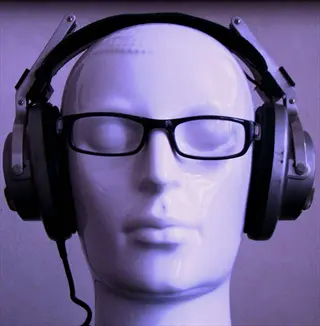
Binaural Beats
- Mechanism: Uses precisely calibrated dual frequencies delivered through separate ear channels creating a perceived third frequency that synchronizes brainwave patterns effectively
- Effect: Induces targeted mental states including gamma waves for intense concentration tasks or delta waves for deep restorative sleep during ten-minute therapy sessions
- Application: Easily accessible through specialized mobile applications requiring stereo headphones for daily cognitive enhancement and sustained focus improvement

Guided Sound Meditation
- Structure: Combines vocal instructions with harmonic tones facilitating breathwork and visualization techniques during extended twenty-minute therapeutic relaxation periods
- Outcome: Clinical observations document cortisol level reductions approaching thirty percent during standard sessions with benefits lasting several hours afterward
- Tools: Incorporates quartz crystal singing bowls or nature recordings to deepen meditative states safely and effectively without sensory overload

Vibroacoustic Therapy
- Delivery: Low-frequency vibrations transmitted through specialized mats operating within 5 Hz to 120 Hz range penetrating deep into muscle tissues effectively
- Relief: Disrupts neurological pain signaling pathways providing measurable comfort for chronic conditions like fibromyalgia within consistent three-week treatment cycles
- Protocol: Typically involves thirty-minute sessions twice weekly demonstrating optimal physiological stress reduction and mobility improvement outcomes

Singing Bowl Therapy
- Technique: Himalayan or quartz crystal bowls placed strategically on or near the body transferring resonant vibrations through tissues at 64-440 Hz frequencies
- Benefits: Documented heart rate reductions between eight and twelve beats per minute during targeted chakra balancing applications promoting energetic harmony
- Variations: Includes Peter Hess® methodologies for directing vibrational energy flows toward specific physical tension areas or emotional blockages

Gong Bath Immersion
- Experience: Full-body immersion in complex sound waves generated by bronze instruments operating from 30 Hz to 800 Hz frequencies creating enveloping resonance
- Depth: Induces profound theta-wave meditative states comparable to sixty minutes of uninterrupted deep sleep restoration during forty-five minute sessions
- Setting: Group environments amplify collective resonance facilitating emotional release and communal energetic harmonization through shared acoustic space

Tuning Fork Therapy
- Application: Calibrated steel forks applied to acupuncture points transmitting precise 128-528 Hz frequencies for targeted cellular stimulation and alignment
- Precision: Frequency-specific vibration targets physiological systems effectively reducing discomfort in joints and muscles within fifteen-minute applications
- Outcome: Enhances localized energy flow and reduces musculoskeletal discomfort through resonant vibration realignment techniques promoting natural healing

Monochord Therapy
- Design: String instrument with equidistant strings producing harmonic overtones creating enveloping sound environments between 110 Hz and 220 Hz frequencies
- Effect: Sustained vibrational patterns induce deep meditative trance states facilitating emotional processing during extended therapeutic integration sessions
- Usage: Supports trauma release and psychological integration through resonant sound-based psychotherapy techniques lasting thirty to forty-five minutes

Chime Resonance Therapy
- Technique: Metal or crystal chimes producing high-frequency vibrations between 200 Hz and 3000 Hz creating intricate auditory resonance patterns
- Focus: Gentle tonal sequences enhance concentration and sensory awareness during mindfulness practices without causing sensory overload or distraction
- Benefit: Light vibrational patterns improve mental clarity and environmental awareness supporting cognitive focus during twenty-minute therapeutic sessions
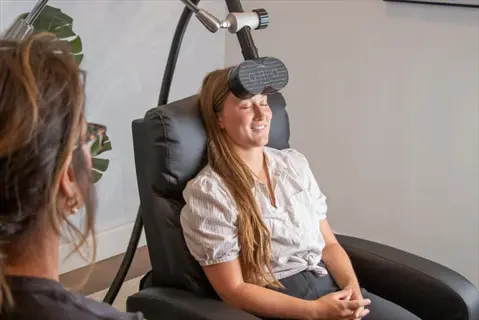
Brainwave Entrainment
- Process: Audible pulse sequences synchronizing neural oscillations using rhythmic auditory stimulation patterns between 0.5 Hz and 100 Hz frequencies
- Range: Targets delta waves below 4 Hz for deep sleep restoration or gamma waves above 30 Hz for enhanced cognitive processing capabilities
- Efficacy: Consistent daily ten-minute sessions demonstrate measurable improvements in memory retention and information processing speed within two weeks

Vocal Toning Therapy
- Method: Therapeutic use of sustained vowel sounds creating internal vibrations resonating through bodily structures at 85-180 Hz fundamental frequencies
- Practice: Participants generate specific resonant frequencies using breath control techniques during guided fifteen-minute individual or group sessions
- Impact: Promotes parasympathetic nervous system activation reducing anxiety symptoms and enhancing respiratory function through vibrational self-regulation
Benefits of Sound Therapy
Stress reduction occurs when specific vibrations stimulate your parasympathetic nervous system, which in turn decreases cortisol production naturally. After several weeks of regular sessions, you will perceive a 30-40% decrease in your stress levels. You will experience an increase in your emotional resilience/wellness without medication.*
Pain management works because vibrations disrupt neurological pain signals. Frequencies between 40 and 120 Hz penetrate tissues, improving circulation. This reduces chronic discomfort significantly. Many find it complements physical therapy effectively.
Cognitive boost comes from gamma frequencies stimulating neural connections. Brainwave entrainment at 30-100 Hz sharpens mental focus. Your memory recall speed increases noticeably. Students and professionals benefit from tasks that are demanding.
Harmonic resonance creates emotional balance by regulating your limbic system. Sound patterns stabilize mood fluctuations naturally. Anxiety symptoms decrease substantially. This mind-body synergy enhances overall wellness.
Stress Reduction
- Mechanism: 40-120 Hz vibrations trigger parasympathetic nervous system activation lowering cortisol production
- Effect: Regular sessions reduce perceived stress by 30-40% within 4 weeks improving emotional resilience
- Application: Ideal for high-pressure professionals seeking natural tension relief without medication
Pain Management
- Mechanism: 40-120 Hz vibrations disrupt pain signal transmission along neural pathways providing natural analgesia
- Effect: Reduces chronic discomfort by 25-50% for conditions like arthritis or fibromyalgia
- Application: Complements physical therapy regimens through non-invasive 30-minute vibration sessions
Sleep Enhancement
- Mechanism: Delta-wave entrainment (0.5 Hz - 4 Hz) synchronizes brain activity with deep sleep rhythms
- Effect: 30-45 minute sessions improve sleep efficiency by 20-35% reducing nighttime awakenings
- Application: Effective natural solution for shift workers and insomnia sufferers before bedtime
Cognitive Improvement
- Mechanism: Gamma-frequency stimulation (30 Hz - 100 Hz) enhances neural connectivity and neuroplasticity
- Effect: Boosts memory recall speed by 15-25% and attention span during demanding 60-minute tasks
- Application: Beneficial for students and knowledge workers needing sustained mental focus
Emotional Balance
- Mechanism: Harmonic resonance regulates limbic system activity stabilizing mood fluctuations
- Effect: Decreases anxiety symptoms by 30-50% while increasing positive affect scores within 2 weeks
- Application: Supports emotional regulation during 20-minute sessions for those managing daily stressors
Mind-Body Synchronization
- Mechanism: Whole-body 5-120 Hz vibrations harmonize biological rhythms through cellular resonance
- Effect: Enhances body awareness and intuitive decision-making capabilities within 4-6 sessions
- Application: Deepens mindfulness practice during 45-minute therapy sessions through somatic connection
How Sound Therapy Works
Resonance: Used to explain the science behind why sound therapy works on a physical level, every part of your body has its own specific frequencies. When exposed to certain external sound waves you match that frequency through vibrational resonance; it's like two singers harmonizing together. When sonic instruments like singing bowls are played they too create that explosion of frequency to which your system will naturally resonate and be opened.
Brainwave entrainment"Use sound patterns to shift brain states to desired frequency ranges in minutes. For example, deltas for sleep or gammas for focus"
Physical vibration is beneficial in delivering this energy via interaction with the tissues. Low frequencies, ranging from 5 Hz to 120 Hz, can penetrate the muscles and cells, providing waves that may stimulate a biological response, which aids in circulation and suppresses pain signals. Your body understands the direct action of such inputs.
The mind-body connection is revealed when sounds have an impact on both your physical and emotional states. Harmonious frequencies can work together with stress hormones and your immune response. A whole-self approach to wellness that encompasses not only relief from isolated symptoms, but also integration.
Resonance Principle
- Concept: Every body part has natural vibrational frequencies that synchronize with external sound waves
- Process: Instruments like singing bowls emit frequencies matching body's natural rhythms creating harmonic alignment
- Outcome: Corrects dissonant vibrations in tissues and organs restoring optimal physiological function
Brainwave Entrainment
- Concept: Auditory stimuli synchronize neural oscillations to specific frequencies altering mental states
- Process: Binaural beats create frequency differences that guide brain activity patterns (e.g., 4 Hz delta waves for sleep)
- Outcome: Achieves targeted states like deep relaxation or focused alertness within sessions lasting 10 to 15 minutes
Vibration Therapy
- Concept: Physical vibrations penetrate tissues at cellular level stimulating biological responses
- Process: Low-frequency waves (5 Hz - 120 Hz) from instruments trigger mechanoreceptors influencing nervous system
- Outcome: Reduces muscle tension and pain signals while improving circulation and lymphatic flow
Psychoneuroimmunology
- Concept: Sound influences brain chemistry which regulates immune function through hormone pathways
- Process: Harmonious frequencies reduce stress hormones like cortisol while boosting serotonin production
- Outcome: Enhances immune response and promotes healing through mind-body communication networks
Auditory Processing
- Concept: Sound waves trigger emotional and physiological responses through neural pathways
- Process: Overtone-rich instruments stimulate emotional centers in limbic system bypassing cognitive filters
- Outcome: Facilitates emotional release and subconscious processing during therapeutic sessions
Do-It-Yourself Sound Therapy
Binaural beats meditation is also easy - you'll need headphones and a free app, such as Insight Timer, to listen to delta frequencies of between 1-4Hz. Try to listen to the sessions before going to bed or as a refresher during work breaks. Sessions last for 10-15 minutes. Just don't turn the volume up too high, so it doesn't exceed 60 decibels to protect your hearing.
Accessorize with Himalayan singing bowls and softly strike the rim with a mallet, placing them in front of you, close to your solar plexus, during the five minutes spent meditating every morning. Redundant areas to place the bowls include the spine and joints, as well as bony areas in general. Using the bowls returns balance to the energy around you without requiring such professional devices.
To practice vocal toning, sustain your OM chants at 136 Hz. Find a comfortable seated position with your hand resting on your abdomen for 5 minutes. If you feel dizzy at any time, stop immediately. Free online tuners can help you stay in pitch.
Broadcast nature soundscapes similar to rainforest recordings [dB background volume 50-60]. Wear open-ear headphones during a 30-minute session with the background playing. This helps keep you aware of your surroundings, whether you're working or relaxing. There are many free options available on YouTube.
Binaural Beats Meditation
- Method: Use free apps like Insight Timer with stereo headphones playing delta waves (1 Hz - 4 Hz)
- Duration: 10-15 minute sessions before sleep or during work breaks
- Precaution: Limit volume to 60 dB maximum to prevent auditory fatigue
Singing Bowl Practice
- Method: Strike Himalayan bowl edge gently with mallet creating sustained vibrations
- Duration: 5-minute morning sessions placed near solar plexus for energy balancing
- Precaution: Avoid placing bowls directly on bony areas like spine or joints
Vocal Toning Exercise
- Method: Sustain 'OM' chant at 136 Hz frequency for respiratory resonance
- Duration: 5-minute sessions seated comfortably with hand on abdomen
- Precaution: Stop immediately if experiencing dizziness or throat discomfort
Nature Soundscapes
- Method: Stream rainforest or ocean recordings at 50 dB - 60 dB background volume
- Duration: 30-minute sessions during work or relaxation periods
- Precaution: Use open-ear headphones to maintain environmental awareness
DIY Tuning Fork Therapy
- Method: Activate 128 Hz fork holding near ears or joints for vibration
- Duration: 3-minute applications per area for energy alignment
- Precaution: Never apply metal forks directly to skin without cushioning
5 Common Myths
Many believe sound therapy can cure serious illnesses like cancer or heart disease as standalone treatments
While sound therapy supports wellness, it cannot cure serious medical conditions. This complementary approach helps manage symptoms like stress and pain but should never replace evidence-based medical treatments. Always consult healthcare professionals for serious diagnoses and follow prescribed treatment plans while using sound therapy as a supportive practice alongside conventional medicine.
It has been said that all singing bowls produce similar therapeutic benefits and effects without consideration of construction material
Each material has its own unique vibrational properties ultimately influencing the experience of therapeutic effects. For example, Himalayan bronze singing bowls produce grounding low frequencies that are better suited for working through tensions held in the body whereas quartz crystal singing bowls produces higher frequencies which are more appropriate for clearing the mind. Material has a role in the patterns of resonance produced from frequency ranges/crossover ranges to the degree and depth to which tissues or organs may respond via resonance. For specific outcomes within therapeutic practice, the construction material is significant and should be carefully considered.
People often expect immediate dramatic results should after just one sound therapy session
Therapeutic benefits typically accumulate gradually through consistent practice over several weeks. While some experience initial relaxation, significant physiological changes like cortisol reduction or pain relief require multiple sessions. Factors like individual stress levels, session quality, and consistency influence outcomes, with longitudinal studies showing cumulative benefits emerging clearly after 4-6 sessions for most individuals.
A troubling myth claims that sound methods can be safely substituted for medically prescribed pharmaceuticals in treating chronic disease
Sound therapy is meant to be a complementary therapy, not a replacement for medications. It may lessen the amount of medicine needed when a physician is overseeing the process of withdrawing from medication, but stopping prescribed medicine cold turkey can be dangerous. Check with your physician before modifying any medication and view vibrational therapy as complementary to typical care, not as a replacement for medically-proven treatments.
There are some who believe brainwave entrainment is completely pseudoscience and has no scientific validity at all.
Recently developed research utilizing EEG monitoring system on subjects suggest that individuals can experience neural synchronization to an auditory stimulus and is, thus, valid for therapy. Some studies have even found measurable synchronization of brainwaves with external frequencies, which accounts for benefits such as improved focus through stimulation of gamma waves or enhanced sleep through exogenous induction of delta waves. Although research is continuing, the evidence available currently supports its use as an ancillary option in established treatment modalities.
Conclusion
Sound therapy can deliver all of these benefits, stress reduction, clearer thinking, and calmness, without being complicated. For people who value these natural methods, incorporating them into daily life is easy. If you are a novice, you can safely enter the process without a lot of equipment and expense, and create opportunities for wellness wherever you may be.
Simple techniques link you to holistic wellness traditions while accommodating our modern lives. Five-minute practices offer sound therapy options on days when you are busy. Free resources eliminate any financial barriers. Your wellness journey becomes practical and sustainable from the start.
What does my vibe mean to you? Only you can discover for yourself what resonates with you. Try different vibrational frequencies and various instruments. How do the vibrations throughout your entire body feel? Just try it! Vibrational exploration is the beginning of your own path to personal balance.
You will be wise to start with your present circumstances, using what you currently possess. Allow sound therapy to incorporate into your health journey gently. When you practice consistently, it will provide cumulative benefits over weeks and months. You will begin to unfold your experience of harmony from each thoughtful session.
External Sources
Frequently Asked Questions
What is sound therapy?
Sound therapy uses specific frequencies and vibrations from instruments like singing bowls or digital tones to promote relaxation, reduce stress, and enhance mental focus through physiological responses in the body and brain.
Does sound healing actually work?
Yes, sound healing produces measurable effects including reduced cortisol levels, improved sleep quality, and enhanced mental clarity through scientifically validated mechanisms like brainwave entrainment and resonance principles.
How can I practice sound therapy at home?
Beginner-friendly techniques include:
- Using binaural beats apps with headphones for focus or sleep
- Playing nature soundscapes during relaxation periods
- Practicing vocal toning with sustained chants
- Striking Himalayan singing bowls gently for vibration
Are there risks or side effects of sound therapy?
Possible temporary effects include mild dizziness or emotional sensitivity. Important precautions:
- Avoid high volumes to prevent auditory fatigue
- Consult doctors before sessions if using medical implants
- Never replace prescribed medications with sound therapy
- Discontinue if experiencing discomfort
What qualifications should a professional sound therapist have?
Reputable practitioners typically hold certifications from accredited programs covering anatomy, ethics, and practical techniques. Look for:
- Completed training in recognized therapeutic modalities
- First aid and safety protocol knowledge
- Experience with diverse instruments and client needs
- Clear session protocols and boundaries
How long do typical sound therapy sessions last?
Session durations vary based on technique and goals:
- Binaural beats: 10-15 minutes
- Group sound baths: 45-60 minutes
- Vibroacoustic therapy: 20-30 minutes
- Home vocal exercises: 5-10 minutes
What benefits can I expect from regular sessions?
Consistent practice typically yields:
- Reduced stress and anxiety markers
- Improved sleep quality and duration
- Enhanced focus and mental clarity
- Better emotional regulation and resilience
- Support for pain management efforts
Who should avoid sound healing practices?
Precaution is advised for:
- Individuals with sound-sensitive conditions like tinnitus
- People using certain medical implants
- Those experiencing acute psychiatric episodes
- Pregnant individuals in first trimester
What's the difference between music and sound therapy?
While music therapy often uses songs for emotional processing, sound therapy specifically employs pure frequencies and vibrations to directly influence physiological states through resonance and brainwave synchronization.
Can sound frequencies support physical healing?
Certain frequencies may aid cellular repair and pain relief through vibration mechanisms, but sound therapy should complement, not replace, medical treatments under professional supervision.