10 Healthy Fat Sources for Better Health

Written by
Tran Quang
Reviewed by
Prof. Graham Pierce, Ph.D.Prioritize healthy fat sources like avocados, nuts, and fatty fish daily.
Get 20-35% calories from fats, focusing on unsaturated varieties for heart health.
Swap unhealthy fats: Replace butter with avocado, mayo with Greek yogurt.
Include omega-3 rich salmon twice weekly to lower cardiac mortality risk.
Control portions: 1oz nuts, 3oz fish, 1 tbsp olive oil per serving.
Balance omega-3 and omega-6 fats to reduce inflammation and optimize benefits.
Article Navigation
Many people have shunned all fats due to weight gain concerns. However, good fat sources provide energy and support key bodily functions. I shunned fats too until I learned they are food for the brain and support hormone balance. Fats are a must daily.
Healthy fats are essential to the absorption of fat-soluble vitamins A, D, E, and K when consumed with meals. Without fat, the body will be deficient in important nutrients, even if you are consuming vegetables in your diet. It's like trying to start a car without gas. The fat in food acts in a similar fashion, and the fats release the vitamins (nutrition) from the food...
Let's explore ten superpowerful sources from salmon, avocado, nuts, and more. These foods had a profound impact on my energy levels and skin health. I'll tell you how each food supports heart health and reduces inflammation. Do note that balance is much more important than avoiding any one food group completely.
Moderation helps fats be beneficial, not harmful. I portion by a palm of nuts or a thumb of oil. Moderation allows you to reap the benefits without the extra calories. Fats should be considered a wellness ally, not a foe to be avoided.
Daily Fat Intake Guide
For optimal health, 20-35% of daily calories should be derived from fats. Based on a 2,000-calorie diet, this means 44-78g of fat daily. Recommended saturated fatty acids are < 10% of calories, ~ 22g max. I track my own levels using visuals rather than calculators.
Portions visualization: nuts as the size of your palm (1 oz/28 g) magnate olive oil is the size of the tip of your thumb (1 tbsp/15 mL), and fish is the amount of deck of cards (3 oz/85 g). These mental shortcuts allow you to keep portions balanced without stressing continuously about counting calories. Using practical estimates also builds practices of sustainability.
Concentrate on portion control using common household objects. I use a golf ball for nut butter (2 tbsp/32g) and a tennis ball for avocado (half of a fruit/75g). This practice will help you manage your intake while also getting important fats. Consistency is more important than perfection.
Focus on quality, not quantity. Choose avocado spread (2 tablespoons / 30g) instead of butter, or Greek yogurt (¼ cup / 60g) instead of sour cream. These small swaps incorporate healthier fats and limit the consumption of saturated fats. Your body will appreciate you for every conscious decision you make.
Total Fat Intake
- Adults should get 20-35% of daily calories from fats
- For 2000 calorie diet: 44-78g total fat daily
- Prioritize unsaturated fats for majority of intake
- Adjust based on activity level and health goals
- Minimum 20% fat prevents essential fatty acid deficiency
- Athletes may need up to 35% for sustained energy
Saturated Fat Limit
- Limit to under 10% of total daily calories
- For 2000 calorie diet: maximum 22g saturated fat
- Found mainly in animal products and tropical oils
- Excess intake linked to cardiovascular risks
- Coconut oil contains 82% saturated fat per tablespoon
- Butter contains 7g saturated fat per tablespoon
Monounsaturated Fats
- Should constitute majority of daily fat intake
- Sources: olive oil, avocados, nuts, seeds
- Provides 9 calories per gram like all fats
- Helps maintain healthy HDL cholesterol levels
- Olive oil contains 14g monounsaturated fat per tablespoon
- May reduce inflammation markers when replacing saturated fats
Polyunsaturated Fats
- Essential omega-3 and omega-6 fatty acids
- Ideal ratio: 1:1 to 1:4 (omega-3:omega-6)
- Flaxseed provides 8g ALA omega-3 per ounce
- Walnuts provide 13g polyunsaturated fats per ounce
- Fatty fish: 1.5g EPA/DHA per 3oz serving
- Supports brain function and cell membrane health
Trans Fat Avoidance
- Artificial trans fats should be eliminated completely
- Found in partially hydrogenated oils and fried foods
- As low as 2g daily increases heart disease risk
- Check labels for 0g trans fat per serving
- Natural trans fats in dairy are less concerning
- FDA banned artificial trans fats in 2021
Omega-3 Targets
- Minimum 250-500mg EPA/DHA omega-3s daily
- Achieved through 2 fatty fish servings weekly
- Vegetarian sources: chia (5g/oz), flax (6g/oz)
- ALA conversion to EPA/DHA is inefficient (5-10%)
- Supplementation may be needed for strict vegetarians
- Supports cognitive function and cardiovascular health
Omega-6 Balance
- Essential but often overconsumed in Western diets
- Sources: vegetable oils, nuts, seeds
- Ideal intake: 5-10% of total calories
- Sunflower oil: 10g omega-6 per tablespoon
- Excess omega-6 may promote inflammation
- Balance with omega-3s for optimal health
Cooking Oil Selection
- High-heat cooking: avocado oil (smoke point 520°F/271°C)
- Medium-heat: olive oil (smoke point 410°F/210°C)
- Avoid reused frying oils high in trans fats
- Store oils in dark bottles away from light
- Discard oils that smell rancid or bitter
- 1 tablespoon oil = 14g fat (120 calories)
Nut Portion Control
- 1 oz (28g) = small handful = 160-200 calories
- Almonds: 23 nuts, Cashews: 18 nuts, Pecans: 15 halves
- Walnuts: 14 halves provide 18g polyunsaturated fat
- Prefer raw or dry-roated without added oils/salt
- Nut butters: 2 tablespoons = 1 oz serving
- High in calories but nutrient-dense snack
Avocado Servings
- 1/3 medium avocado = 50g (1.76 oz) = 80 calories
- Provides 8g monounsaturated fats per serving
- Whole medium avocado ≈ 240g (8.5 oz) = 384 calories
- Rich in potassium: 250mg per ounce vs banana's 105mg
- Use lime juice to prevent browning after cutting
- Fiber content: 3g per 50g serving
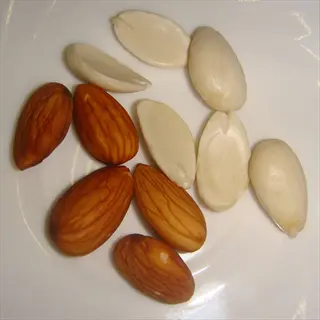
Nuts
- Serving: 1 oz (28g) or small handful
- Examples: 23 almonds or 14 walnut halves
- Provides approximately 14g healthy fats
- Calories: about 160-180 per serving
- Contains monounsaturated fats and vitamin E
- Best consumed raw or dry-roasted without salt
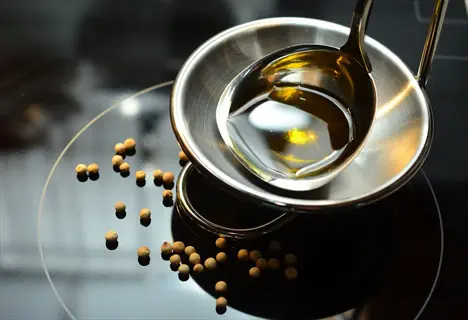
Oils
- Serving: 1 tablespoon (15mL)
- Provides approximately 14g healthy fats
- Calories: about 120 per tablespoon
- Choose olive, avocado or canola oils
- Use for dressings or low-heat cooking
- Contains heart-healthy monounsaturated fats

Avocado
- Serving: 1/3 medium avocado (50g / 1.76 oz)
- Provides approximately 8g healthy fats
- Calories: about 80 per serving
- Rich in monounsaturated oleic acid
- Contains more potassium than bananas
- Use as spread or salad topping

Fatty Fish
- Serving: 3 oz (85g cooked)
- Provides 5-10g omega-3 fatty acids
- Calories: approximately 150-200
- Size comparable to checkbook or deck of cards
- Rich in EPA and DHA fatty acids
- Aim for 2 servings weekly for heart benefits
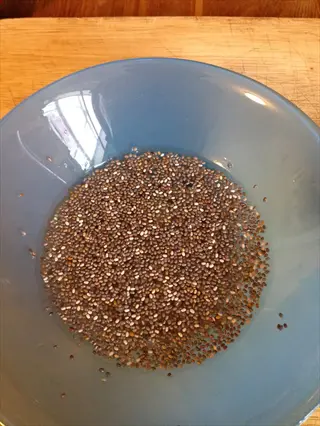
Seeds
- Serving: 2 tablespoons (28g / 1 oz)
- Provides approximately 9g healthy fats
- Calories: about 140 per serving
- Examples: chia, flax, or pumpkin seeds
- Rich in ALA omega-3 and fiber
- Soak chia seeds for better nutrient absorption
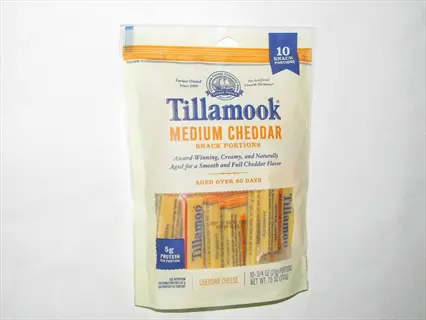
Cheese
- Serving: 1 oz (28g) ≈ two domino-sized cubes
- Full-fat varieties provide 9g fat per serving
- Calories: approximately 110 per ounce
- Choose aged cheeses for lower lactose content
- Contains conjugated linoleic acid (CLA)
- Pair with fruit for balanced snack

Dark Chocolate
- Serving: 1 oz (28g) ≈ 1 small square
- 70%+ cocoa provides 12g healthy fats
- Calories: about 150 per ounce
- Contains flavonoid antioxidants
- Limit added sugar content <8g per serving
- Provides magnesium and iron

Eggs
- Serving: 1 large egg (50g)
- Provides 5g healthy fats per egg
- Calories: approximately 78 per egg
- Contains choline for brain health
- Size comparison: standard large chicken egg
- Pair with vegetables for balanced meal

Full-Fat Yogurt
- Serving: 3/4 cup (170g / 6 oz)
- Provides 8g fats including CLA
- Calories: approximately 160 per serving
- Contains probiotics for gut health
- Choose plain varieties without added sugars
- Size comparable to tennis ball
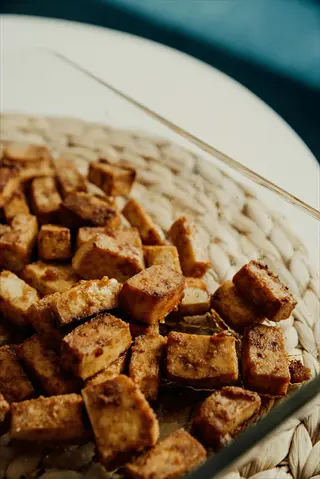
Tofu
- Serving: 1/2 cup (124g / 4.4 oz)
- Provides 5g polyunsaturated fats
- Calories: approximately 95 per serving
- Rich in plant-based protein and iron
- Firm tofu holds shape better for cooking
- Size comparable to deck of cards
Heart Health Benefits
Monounsaturated and polyunsaturated fats actively decrease bad cholesterol (LDL) and increase good cholesterol (HDL). Studies show olive oil lowers LDL by 5mg/dL for every tablespoon, and walnuts improve cholesterol levels within 6 weeks. My own numbers improved after I switched up the oils I was using for cooking.
Trans fats (unhealthy fats) increased the risk of heart disease by 23%, while healthy fats reduced the risk by 30%. The PREDIMED study demonstrated that when people consumed Mediterranean diets high in olive oil and nuts. This is a major difference that I teach my clients to incorporate into their kitchen makeovers.
Simple swaps make a big impact. Swap butter for mashed avocado on your toast and reduce saturated fat by 7g. Select baked salmon instead of fried chicken and increase your omega-3 intake by 1.5g. Making these changes will decrease triglycerides by 25%-30% based on clinical studies.
Make heart-healthy, yummy. In dressings, use Greek yogurt instead of mayonnaise to reduce trans fats while increasing protein content. Add chia seeds to your oatmeal for soluble fiber that will bind cholesterol. These small choices daily will compound into a substantial cardiovascular shield with time.
LDL Cholesterol Reduction
- Monounsaturated fats lower LDL by 6-10% when replacing saturated fats
- Polyunsaturated fats reduce LDL by 8-12% in clinical studies
- Optimal LDL level: below 100 mg/dL (2.6 mmol/L)
- Avocados decrease LDL by average 13.5 mg/dL in trials
- Nuts reduce oxidized LDL particles linked to arterial plaque
HDL Cholesterol Improvement
- Healthy fats maintain protective HDL levels (ideal >40 mg/dL)
- Omega-3s increase HDL particle size and functionality
- Olive oil consumption correlates with 3-5% HDL increase
- Prevents HDL dysfunction associated with inflammation
- Supports reverse cholesterol transport from arteries
Triglyceride Management
- Omega-3s reduce triglycerides by 15-30% at therapeutic doses
- Fish oil decreases VLDL particle production in liver
- Optimal triglyceride level: below 150 mg/dL (1.7 mmol/L)
- Replacing carbs with healthy fats lowers fasting triglycerides
- Flaxseed reduces triglycerides by 15% in meta-analyses
Blood Pressure Effects
- Omega-3s lower systolic pressure by 4-5 mmHg on average
- Olive oil polyphenols improve endothelial function
- ALA from seeds reduces diastolic pressure by 2-3 mmHg
- Mechanism: Increased nitric oxide production for vasodilation
- Supports healthy 120/80 mmHg blood pressure target
Inflammation Reduction
- EPA/DHA from fish decrease CRP by 10-30%
- Monounsaturated fats lower IL-6 inflammatory markers
- Walnuts reduce VCAM-1 adhesion molecules
- Chronic inflammation reduction slows atherosclerosis progression
- Polyphenols in dark chocolate inhibit NF-kB pathway
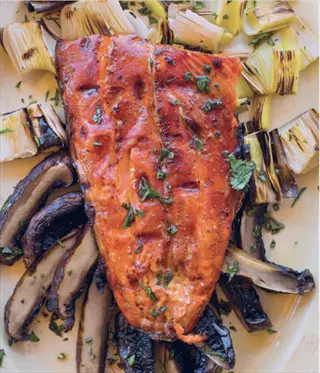
Fatty Fish
- Contains EPA/DHA omega-3 fatty acids
- Reduces cardiac mortality risk by 35% with 2 servings/week
- Lowers triglyceride levels by 25-30%
- Improves heart rhythm stability
- 3 oz (85g) portion provides 1.5g omega-3
- Bake or grill instead of frying

Extra Virgin Olive Oil
- Rich in monounsaturated oleic acid
- Lowers LDL cholesterol by 3.5-5.5 mg/dL per tablespoon
- Polyphenols reduce oxidized LDL particles
- PREDIMED study: 30% lower cardiovascular risk
- Use 1-2 tbsp daily in dressings or cooking
- Smoke point: 410°F (210°C) - avoid high heat
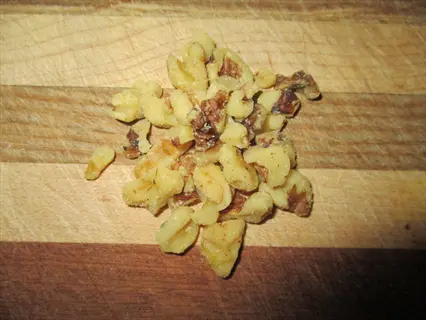
Walnuts
- Contains ALA omega-3 and polyphenols
- Improves endothelial function within 4 hours
- Reduces total cholesterol by 5-7% in 6 weeks
- 1 oz (28g) = 14 halves provides 2.5g ALA
- Daily consumption lowers systolic pressure
- Pair with berries for added antioxidants

Flaxseeds
- Highest plant source of ALA omega-3
- 1 tbsp (7g) provides 1.8g ALA
- Reduces arterial stiffness in clinical trials
- Ground form increases bioavailability 3-fold
- Add to oatmeal or smoothies
- Store refrigerated to prevent oxidation
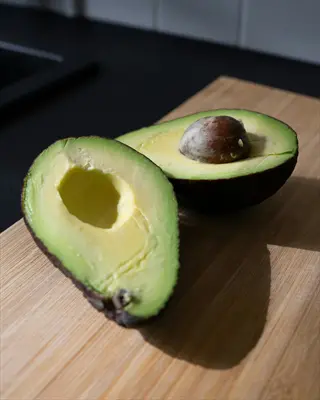
Avocados
- Monounsaturated fats improve lipid profiles
- Study: Daily intake reduces LDL by 13.5 mg/dL
- Increases HDL cholesterol 11% in 5 weeks
- 1/3 medium fruit (50g) provides 7g healthy fat
- Potassium content supports blood pressure control
- Replace mayo with avocado spread

Dark Chocolate
- Flavonoids improve endothelial function
- 70%+ cocoa lowers blood pressure long-term
- Reduces LDL oxidation susceptibility
- 1 oz (28g) serving limits added sugar intake
- Contains heart-healthy stearic acid
- Choose varieties with <8g added sugar
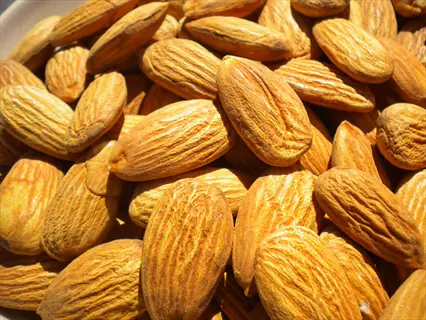
Almonds
- Rich in monounsaturated fats and vitamin E
- Reduces LDL cholesterol by 4-7%
- Improves arterial flexibility in diabetics
- 1 oz (28g) = 23 nuts provides 14g healthy fats
- Alpha-tocopherol prevents LDL oxidation
- Eat raw with skin for maximum polyphenols

Chia Seeds
- High ALA omega-3 and soluble fiber
- Soluble fiber binds bile acids lowering LDL
- Forms gel that slows glucose absorption
- 2 tbsp (28g) provides 5g omega-3 ALA
- Soak in liquid for nutrient release
- Add to yogurt or overnight oats
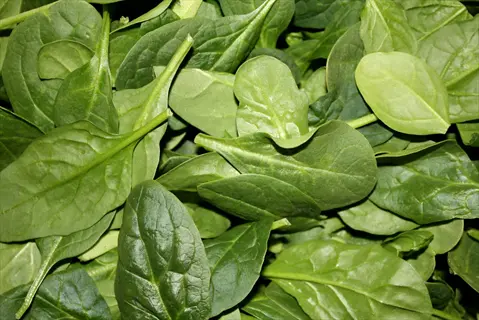
Green Leafy Vegetables
- Nitrates convert to nitric oxide for vasodilation
- Folate lowers homocysteine levels
- Magnesium supports healthy blood pressure
- 1 cup raw (30g) provides key micronutrients
- Pair with olive oil for fat-soluble vitamin absorption
- Kale and spinach are most nutrient-dense
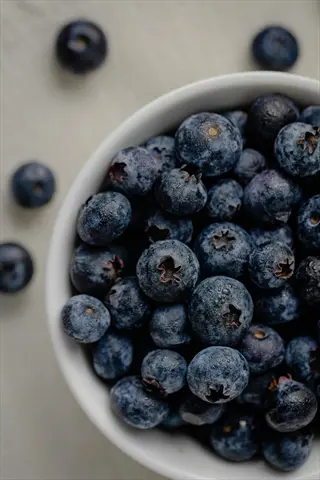
Berries
- Anthocyanins improve endothelial function
- Reduce LDL oxidation and inflammation
- 1 cup (150g) provides 4g fiber
- Fiber binds cholesterol in digestive tract
- Freeze-dried retain 90% of antioxidants
- Add to Greek yogurt for heart-healthy snack
Healthy Fat Swaps
Saturated and trans fats can clog arteries, but unsaturated alternatives nourish the body. For example, omega-3 fats found in salmon are beneficial for our health, while industrial trans fats found in fried foods are not. I demonstrate this difference in my healthy cooking demos, which include an illustration showing how liquid plant oils pour freely and easily, unlike stiff shortening.
Measure swaps carefully: Use 1 tbsp butter (7g sat fat) then use 2 tbsp mashed avocado (5g mono fat). Use 2 tbsp Greek yogurt (0g trans fat) in place of mayo (1.5g trans fat). These exact swaps alter the recipes but don't interfere with taste.
Cumulative benefits can be seen in just a few weeks. One client saw a 13mg/dL drop in LDL after consistently consuming olive oil (1 tbsp/15mL daily). Another saw a reduction in inflammatory markers by swapping chips out for walnuts (1oz/28g). Small changes accumulate with great power.
Make substitutions sustainable. I meal prepped avocado spreads into ¼ cup (60g) portions for easy toast toppings. I stored chia pudding in half-cup (120ml) jars for quick breakfasts. Once you are consistent with the substitute healthy food choices, they become effortless, long-lasting lifestyle improvements.
Baking Substitutions
- Replace butter with equal parts avocado puree in brownies
- Use mashed banana instead of oil in quick breads (1:1 ratio)
- Substitute applesauce for 50% of butter in muffin recipes
- Greek yogurt can replace sour cream in cheesecakes cup-for-cup
Cooking Techniques
- Sauté vegetables in broth instead of oil, finish with 1 tsp olive oil
- Roast potatoes with 1 tbsp olive oil instead of deep-frying
- Bake fish with almond crust instead of breadcrumbs fried in oil
- Use avocado oil spray (0.5g fat per spray) for high-heat cooking
Flavor Enhancements
- Add toasted sesame seeds to stir-fries instead of extra oil
- Use nut butters as sauce base instead of cream
- Infuse oils with herbs for concentrated flavor (use sparingly)
- Sprinkle nutritional yeast for cheesy flavor without saturated fat
Snack Transformations
- Dip apple slices in almond butter instead of caramel sauce
- Top rice cakes with smoked salmon instead of cream cheese
- Make trail mix with raw nuts/seeds instead of oil-roasted nuts
- Freeze blended banana instead of store-bought ice cream
Dining Out Strategies
- Request dressings/sauces on the side (use 1 tsp instead of 2 tbsp)
- Choose grilled over fried options (saves 10g+ unhealthy fats)
- Swap cheese toppings for avocado slices on sandwiches
- Ask for olive oil instead of butter for bread dipping
10 Healthy Fat Sources
Avocado provides 7g of monounsaturated fats in every 50g serving, significantly lowering LDL cholesterol proteins. It also contains potassium and fiber, and helps enhance your lipid profile as a healthier alternative to butter. Lime is great for preventing browning, making yummy combinations, and adding a zesty touch to sandwiches on whole-grain toast for breakfast.
Salmon (and other fatty fish) provides 1.5g of EPA/DHA omega-3s with every 3oz cooked portion. Eating two servings of fruits and vegetables a week reduces your risk of cardiac death by 35%. For the best heart rhythm support and triglyceride control, bake fish fillets with fresh herbs and lemon.
Walnuts contain 13g of polyunsaturated fats and 2.5g of ALA omega-3 in a 1oz serving. Just 14 walnut halves can enhance endothelial function within hours. Walnuts should be stored in the refrigerator to avoid rancidity. You can also pair walnuts with berries for an added boost in antioxidant benefits.
2 tbsp. of Chia seeds provide 5g of ALA omega-3 and 10g of fiber. Ground chia seeds can increase nutrient absorption by three times. Allow to sit overnight for chia pudding, or blend into smoothies. This reduces arterial stiffness and helps effectively control blood pressure.
Avocados
- Monounsaturated fats: 7g per 50g (1.76 oz) serving
- Key nutrients: Potassium (250mg), fiber (3g), vitamins E/K
- Health benefits: Lowers LDL cholesterol by 13.5 mg/dL
- Serving tip: Use as butter substitute on toast
- Preparation: Add lime juice to prevent browning
- Calories: 80 per 50g (1.76 oz) serving
Fatty Fish (Salmon)
- Omega-3 fats: 1.5g EPA/DHA per 3oz (85g) cooked
- Key nutrients: Protein (17g), vitamin D (570IU), selenium
- Health benefits: Reduces cardiac mortality by 35%
- Serving tip: Bake with herbs and lemon
- Frequency: 2 servings weekly recommended
- Calories: 180 per 3oz (85g) serving
Nuts (Walnuts)
- Polyunsaturated fats: 13g per 1oz (28g)
- Key nutrients: ALA omega-3 (2.5g), magnesium (45mg)
- Health benefits: Improves endothelial function in 4 hours
- Serving tip: 14 halves = 1oz portion
- Storage: Keep refrigerated to prevent rancidity
- Calories: 185 per 1oz (28g) serving
Seeds (Chia)
- Omega-3 ALA: 5g per 2 tbsp (28g / 1oz)
- Key nutrients: Fiber (10g), calcium (180mg), protein
- Health benefits: Reduces blood pressure markers
- Serving tip: Soak overnight for nutrient absorption
- Usage: Add to yogurt or smoothies
- Calories: 140 per 2 tbsp (28g / 1oz) serving
Olive Oil
- Monounsaturated fats: 14g per 1 tbsp (15mL)
- Key nutrients: Vitamin E (2mg), polyphenols
- Health benefits: Lowers cardiovascular risk by 30%
- Serving tip: Use for dressings, not high-heat cooking
- Smoke point: 410°F (210°C)
- Calories: 120 per tablespoon
Eggs
- Mixed fats: 5g per large egg (50g / 1.76 oz)
- Key nutrients: Choline (150mg), vitamin D (44IU)
- Health benefits: Minimal cholesterol impact for most
- Serving tip: Pair with vegetables for balanced meal
- Preparation: Poach or boil instead of frying
- Calories: 78 per large egg (50g / 1.76 oz)
Dark Chocolate
- Monounsaturated fats: 6g per 1oz (28g)
- Key nutrients: Iron (3mg), magnesium (64mg), flavonoids
- Health benefits: Reduces LDL oxidation susceptibility
- Serving tip: Choose 70%+ cocoa varieties
- Sugar limit: <8g added sugar per serving
- Calories: 150 per 1oz (28g) serving
Full-Fat Yogurt
- Saturated fats: 5g per 6oz (170g) serving
- Key nutrients: Probiotics, calcium (275mg), protein
- Health benefits: Supports gut microbiome diversity
- Serving tip: Combine with berries and seeds
- Selection: Choose plain, unsweetened varieties
- Calories: 160 per 6oz (170g) serving
Tofu
- Polyunsaturated fats: 5g per ½ cup (124g / 4.4 oz)
- Key nutrients: Plant protein (10g), iron (3mg)
- Health benefits: Lowers cholesterol absorption
- Serving tip: Marinate and grill for flavor
- Texture: Use firm tofu for cooking
- Calories: 95 per ½ cup (124g / 4.4 oz) serving
Nut Butters
- Monounsaturated fats: 8g per 2 tbsp (32g / 1.13 oz)
- Key nutrients: Vitamin E (4mg), magnesium
- Health benefits: Increases satiety between meals
- Serving tip: Spread on apple slices or whole-grain toast
- Selection: Choose natural, no-sugar-added versions
- Calories: 190 per 2 tbsp (32g / 1.13 oz) serving
What Are Healthy Fats
Liquid at room temperature, healthy unsaturated fats, including monounsaturated and polyunsaturated fats, as opposed to saturated and trans fats, which are solid. Think olive oil and butter. Unsaturated fats have flexible molecular chains that maintain the flexibility of cell membranes. In contrast, saturated fats have straight chains that are rigid.
Essential fatty acids perform crucial functions in your body. Omega-3 builds your brain cells and reduces inflammation signals in your body. Omega-6 fatty acids help produce hormones and are necessary for maintaining healthy skin. Your body is unable to make these essential fatty acids, which is why you need to consume them daily, through foods like salmon or walnuts, to ensure optimal function.
Visualize fat structures: Saturated fats stack similarly to straight logs, blocking blood vessels. Unsaturated fats resemble bent branches that flow freely. Trans fats are artificial straightened molecules that interfere with cellular communication. This structural difference is the basis for their health consequences at a microscopic level.
We need to eliminate the idea that fat makes you fat. Healthy fats help support your hunger hormones and improve your metabolism. I've seen clients lose weight while incorporating avocado and nuts into their meals because healthy fats do help control blood sugar swings and prevent them from binge eating and overindulging. Quality is more important than the quantity of food.
Monounsaturated Fats (MUFAs)
- Chemical structure: One double bond in fatty acid chain
- Physical state: Liquid at room temperature
- Primary sources: Olive oil, avocados, nuts
- Health impact: Lowers LDL cholesterol, maintains HDL
- Key function: Reduces inflammation markers
- Daily recommendation: Majority of fat intake
Polyunsaturated Fats (PUFAs)
- Chemical structure: Multiple double bonds
- Essential types: Omega-3 (ALA/EPA/DHA), Omega-6 (LA)
- Primary sources: Fatty fish, flaxseeds, sunflower seeds
- Health impact: Critical for brain function and cell membranes
- Omega-3 benefits: Lowers triglycerides, anti-inflammatory
- Ideal ratio: 1:1 to 1:4 (omega-3:omega-6)
Saturated Fats
- Chemical structure: No double bonds, saturated with hydrogen
- Physical state: Solid at room temperature
- Primary sources: Animal fats, coconut oil, palm oil
- Health impact: Raises LDL cholesterol when overconsumed
- Recommended limit: <10% of daily calories
- Exceptions: Dairy fats may have neutral cardiovascular effects
Trans Fats
- Formation: Hydrogenation process creates artificial trans fats
- Primary sources: Partially hydrogenated oils, fried foods
- Health impact: Increases heart disease risk by 23%
- FDA status: Banned in processed foods since 2021
- Natural occurrence: Minimal amounts in dairy/meat
- Avoidance strategy: Check labels for 0g trans fat
Medium-Chain Triglycerides (MCTs)
- Chemical structure: Shorter fatty acid chains (6-12 carbons)
- Physical state: Liquid at room temperature
- Primary sources: Coconut oil, palm kernel oil
- Health impact: Rapid energy source, may support ketosis
- Metabolism: Absorbed directly by liver for quick energy
- Usage: Supplement for athletes in moderation
Omega-3 Fatty Acids
- Types: ALA (plant-based), EPA/DHA (marine sources)
- Functions: Brain development, anti-inflammatory response
- Conversion: ALA converts to EPA/DHA at 5-10% efficiency
- Daily needs: 250-500mg EPA/DHA for adults
- Deficiency signs: Dry skin, poor memory, fatigue
- Top sources: Salmon, chia seeds, walnuts
Omega-6 Fatty Acids
- Primary form: Linoleic acid (LA)
- Functions: Skin health, hormone production
- Balancing: Modern diets often have 10:1 omega-6:omega-3 ratio
- Excess risks: May promote inflammation at high levels
- Healthy sources: Sunflower seeds, tofu, poultry
- Daily needs: 5-10% of total calories
Omega-9 Fatty Acids
- Primary form: Oleic acid
- Functions: Supports heart health, reduces inflammation
- Production: Body can synthesize if omega-3/6 present
- Sources: Olive oil (75%), avocados, almonds
- Health impact: Improves insulin sensitivity
- Benefit: Stable cooking oil for medium heat
Conjugated Linoleic Acid (CLA)
- Form: Naturally occurring trans fat from ruminants
- Sources: Grass-fed beef, dairy products
- Functions: May support body composition improvement
- Research: Mixed evidence on weight management benefits
- Safety: Considered safe in natural food sources
- Daily intake: No established requirement
Gamma-Linolenic Acid (GLA)
- Type: Omega-6 derivative
- Sources: Evening primrose oil, borage oil
- Functions: Skin health, anti-inflammatory effects
- Usage: Often supplemented for hormonal balance
- Conversion: Formed from linoleic acid in body
- Considerations: Consult doctor before supplementing
5 Common Myths
Every type of dietary fat can contribute to weight gain and should be eliminated for successful weight management.
Healthy fats can aid in a feeling of fullness and promote the normal regulation of appetite hormones like leptin and ghrelin. Studies have indicated that healthy diets that included moderate amounts of monounsaturated and polyunsaturated fats led to greater success in weight loss maintenance long term than extremely low-fat diets. Your body requires essential fatty acids for hormones and nutrient absorption, meaning a moderate amount of balanced fat intake will help your metabolism, rather than inhibit your weight loss goals, when consumed in a moderate amount.
Egg yolks greatly elevate blood cholesterol levels and ought to be avoided on heart-healthy diets.
Studies show that dietary cholesterol from eggs has little effect on blood cholesterol in the general population. A large study looking at 177,000 people found no link between eating eggs and cardiovascular risks. Eggs contain vital nutrients such as choline, used for brain health, and lutein, for ocular function. The present guidelines recommend up to seven eggs per week as part of balanced eating, while the American Heart Association indicates that saturated and trans fats have more influence on cholesterol levels than cholesterol-rich foods.
Coconut oil is a superfood that can consume practically without limit because of its health benefits.
Coconut oil has above 80% saturated fat, contributing to increased LDL cholesterol in numerous clinical trials. The medium-chain triglycerides in coconut oil do offer quick energy; however, studies demonstrate coconut oil, similar to butter and beef fat, increases cardiovascular risk markers. The American Heart Association recommends reserving coconut oil for occasional use, not daily intake. There are healthier options, such as olive oil that have a proven heart benefit and do not have the same impact on cholesterol levels as excessive coconut oil.
Low-fat or fat-free foods are unequivocally healthier than their full-fat varieties.
In low-fat food products, manufacturers often replace fats with added sugars and/or refined carbohydrates, which raise blood sugar levels and stimulate a high triglyceride response. Studies on full-fat dairy show that there may be neutral or even beneficial effects on cardiovascular health, while low-fat dairy may not provide sources of fat-soluble vitamins. In addition, population studies show that people who regularly consume full-fat dairy have a lower risk of diabetes than those who regularly consume reduced-fat dairy. The satiety of natural fats in our food is what keeps us from consuming more calories, as opposed to the high sugar food products that are low in fat.
The most effective way to protect your heart and improve longevity is to avoid all fats.
Deficiencies in essential fatty acids can lead to serious health consequences, including skin disorders, vision problems, and neurological impairments. The medical community agrees that eating a diet that is moderate in healthy fat consumption supports heart health and longevity better than an eat-fat-free diet. Fats play an important role in the absorption of vitamins A, D, E, and K and assist with cell membranes and brain functioning. Overall, balance is necessary; swapping saturated fats for unsaturated fats will lower the risk of heart disease. Multiple biological pathways link the consumption of unsaturated fats with lower rates of heart disease risk.
Conclusion
Healthy fats are here to stay as life-long partners for wellness - not as dietary devils to beware of. They energize your brain and protect your organs, and allow you to absorb essential nutrients. Your body cannot run efficiently without healthy fats. Believe me, I learned this long ago, and it changed everything about how I view nutrition.
Keep these 3 powerful actions in mind: Aim to eat fish twice a week, eat plant oils every day and replace processed fats with whole food sources. You should visually measure portions with your hand not measuring scales. These are simple habits that create sustainable change that won't disrupt your lifestyle.
Begin with something small today. Simply add a tablespoon of chia seeds to your morning yogurt or replace mayonnaise with avocado on sandwiches. Enjoy this small sense of accomplishment. Small, consistent habits lead to long-term health changes more than a sudden overnight change.
You have the power to fuel your body well. Try one swap this week and reflect on how you feel about it. Your energy, skin, and heart will be grateful. Start your journey toward vibrant health with confidence today.
External Sources
Frequently Asked Questions
What are the top healthy fat sources?
The best healthy fat sources include fatty fish like salmon, avocados, nuts such as walnuts and almonds, seeds like chia and flax, olive oil, and dark chocolate. These provide essential omega-3 fatty acids, monounsaturated fats, and antioxidants that support heart health, brain function, and inflammation reduction when consumed in proper portions.
Is Greek yogurt considered a healthy fat?
Full-fat Greek yogurt contains beneficial fats including conjugated linoleic acid (CLA) and provides protein, calcium, and probiotics. Its saturated fat content should be balanced with other unsaturated fats in your diet. Choose plain, unsweetened varieties and pair with nuts or seeds for optimal nutrition.
What happens if you don't consume enough healthy fats?
Insufficient fat intake causes essential fatty acid deficiency symptoms including:
- Dry, flaky skin and hair problems
- Impaired vitamin absorption (A, D, E, K)
- Hormonal imbalances and reproductive issues
- Increased inflammation and joint pain
- Cognitive decline and vision impairment
Why is olive oil recommended by nutritionists?
Extra virgin olive oil is prized for its high monounsaturated fat content and polyphenol antioxidants. Research shows it lowers LDL cholesterol, reduces cardiovascular risk, and improves endothelial function. Use it for dressings or low-heat cooking since its smoke point is 410°F (210°C).
What are healthy high-fat breakfast options?
Nutritious high-fat breakfasts include:
- Avocado toast on whole-grain bread
- Greek yogurt with walnuts and chia seeds
- Omelets cooked in olive oil with vegetables
- Chia pudding made with almond milk
- Smoked salmon on whole-grain crackers
How does peanut butter compare to other nut butters?
Natural peanut butter provides healthy monounsaturated fats and vitamin E, but almond and walnut butters offer higher omega-3 content. All nut butters should be consumed in moderation (1-2 tbsp) and chosen without added sugars or hydrogenated oils for maximum health benefits.
What role does cheese play in healthy fat intake?
Aged cheeses like cheddar or Swiss provide calcium and conjugated linoleic acid but are high in saturated fat. Limit to 1 oz daily, pair with fruits or vegetables, and balance with unsaturated fats from plant sources to maintain heart health.
Which oil do cardiologists recommend most?
Cardiologists consistently recommend extra virgin olive oil as the top choice due to its proven cardiovascular benefits. Avocado oil is preferred for high-heat cooking, while canola oil offers a neutral taste with good omega-3 to omega-6 balance for everyday use.
How can I add healthy fats to meals?
Practical ways to incorporate healthy fats:
- Drizzle olive oil on vegetables before roasting
- Add avocado slices to sandwiches and salads
- Sprinkle nuts or seeds on yogurt or oatmeal
- Use nut butters in smoothies or sauces
- Include fatty fish in meals twice weekly
What foods should I limit for omega-6 balance?
To maintain healthy omega-6 to omega-3 ratios, reduce consumption of:
- Processed snacks with corn or soybean oil
- Fried foods cooked in reused vegetable oils
- Conventionally raised meat and poultry
- Margarine and shortening products
- Packaged baked goods with refined oils

