Essential Guide to Herbal Remedies

Written by
Stella Nilsson
Reviewed by
Prof. Graham Pierce, Ph.D.Herbal remedies must be accurately dosed, and the preparations should only be done in specific methods to ensure safety.
Be sure to check for third-party certifications by an organization that has accredited a product like the U.S. Pharmacopeia (USP), National Sanitation Foundation (NSF) when it comes to product quality.
Always consult with a medical professional about critical herb-drug interactions.
Storing remedies properly will preserve potency and reduce contamination.
Using herbal medicine based on evidence means using traditional knowledge that has been validated scientifically.
Never take certain herbs without supervision if you are in a high-risk group.
Article Navigation
Herbal remedies are treatments made from leaves, roots, or flowers that people have trusted for over 3,000 years. Cultures as diverse as Chinese, Egyptian, and Ayurvedic traditions developed these solutions long before modern medicine existed.
Currently, these plant treatments are used in conjunction with conventional treatments, not as an alternative. Consider them companions to familiar practices. Many people find established plant-based approaches are helpful as a mode of continued health support, when taken responsibly.
Remember, natural doesn't automatically mean safe. Plants contain powerful compounds that need respect. Always consult professionals before trying new herbal remedies, especially with existing conditions or medications.
Understanding Herbal Remedies
The herbs can be prepared in several ways, each method requiring special preparation: and of all the preparations "teas" are the most convenient, made of 1teaspoon of the dried herb to 1 cup of water steeped 5-15 minutes. Tinctures are made by mixing plant material with alcohol of 40% to 60% concentration for weeks. Capsules contain accurately measured powdered herbs in amounts of 300-600mg.
Active compounds, such as flavonoids, alkaloids, and other constituents, interact with your body systems. Echinacea by stimulating immune cells through alkamides, Hypericum through serotonin receptors affecting mood, etc. It's these biochemical mechanisms that explain efficacy when the preparation is sufficiently effective.
Always use the Latin (botanical) name to be sure you have the correct plant. Matricaria chamomilla (German chamomile), for example, is not the same as other, more or less herbal false chamomiles. The country of origin makes a difference. American ginseng is native to the Appalachian region, while Chinese and Japanese ginseng are native to their respective habitats; however, ashwagandha originates from India.
Teas
- Preparation: Steep 1 teaspoon dried herbs per 8 oz (237 ml) boiling water for 5-10 minutes
- Best for: Chamomile for relaxation, peppermint for digestion, ginger for nausea
- Absorption: Rapid through digestive system, effects typically felt within 30 minutes
- Storage: Keep in airtight containers away from light and moisture
- Variations: Cold infusions for delicate herbs, decoctions for roots and barks
- Historical use: Traditional preparation in Chinese and European herbal traditions
Tinctures
- Preparation: Herbs macerated in alcohol (40-60%) or glycerin for 4-6 weeks
- Concentration: Typically 1:5 herb-to-liquid ratio, stronger than teas
- Dosage: 20-40 drops (1-2 ml) diluted in water, 2-3 times daily
- Shelf life: 2-5 years due to alcohol preservation
- Advantages: Precise dosing, longer preservation of active compounds
- Examples: Echinacea tincture for immune support, valerian for sleep
Capsules
- Content: Powdered herbs or standardized extracts in gelatin/cellulose casings
- Standardization: Guaranteed active compound levels (e.g., 24% ginsenosides in ginseng)
- Dosage: Typically 300-600 mg per capsule, 1-3 times daily
- Advantages: Convenient, tasteless, precise dosing
- Quality markers: Look for GMP certification on packaging
- Examples: Turmeric capsules with black pepper for absorption
Topicals
- Forms: Salves, ointments, creams, and infused oils
- Base ingredients: Beeswax, shea butter, or carrier oils like coconut or olive
- Application: Apply thin layer to affected area 2-4 times daily
- Absorption: Through skin layers, minimal systemic circulation
- Common uses: Arnica for bruises, calendula for skin irritation, comfrey for wound healing
- Safety: Test on small skin area first for potential reactions
Essential Oils
- Extraction: Steam distillation or cold pressing of aromatic plant parts
- Concentration: Highly concentrated; dilute with carrier oils before use
- Uses: Aromatherapy diffusion, topical application, or inhalation
- Potency: 50-100x stronger than dried herbs; use sparingly
- Examples: Lavender for relaxation, tea tree for antimicrobial
- Safety: Never ingest without professional guidance; skin test required

Echinacea
- Botanical name: Echinacea purpurea
- Traditional use: Immune system support during cold season
- Active compounds: Alkamides, polysaccharides, caffeic acid
- Preparation: Tincture or tea at first cold symptoms
- Research note: Some studies show reduced cold duration
- Safety: Generally safe for short-term use (up to 10 days)

Ginger
- Botanical name: Zingiber officinale
- Traditional use: Digestive aid for nausea and motion sickness
- Active compounds: Gingerols, shogaols, zingerone
- Preparation: 1g fresh root in tea or capsules
- Research note: Demonstrated anti-nausea effects comparable to drugs
- Safety: Safe in food amounts; high doses may thin blood
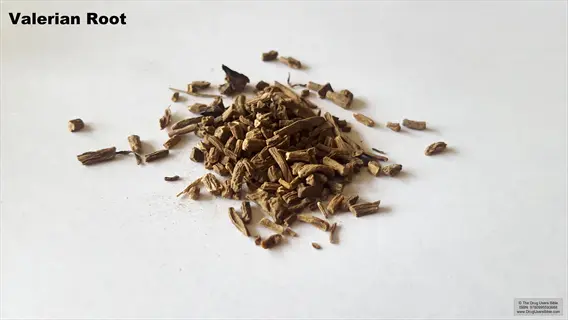
Valerian
- Botanical name: Valeriana officinalis
- Traditional use: Sleep improvement and anxiety reduction
- Active compounds: Valerenic acid, valepotriates
- Preparation: Tea or capsules 1 hour before bedtime
- Research note: Clinical trials show improved sleep quality
- Safety: Avoid with sedatives; may cause morning drowsiness

Ginkgo
- Botanical name: Ginkgo biloba
- Traditional use: Cognitive function and circulation support
- Active compounds: Ginkgolides, bilobalides, flavonoids
- Preparation: Standardized extract capsules (120-240mg daily)
- Research note: Some evidence for mild cognitive benefits
- Safety: May increase bleeding risk; avoid before surgery
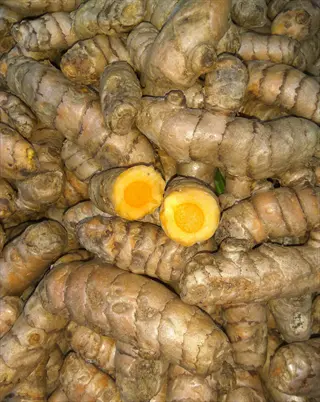
Turmeric
- Botanical name: Curcuma longa
- Traditional use: Anti-inflammatory for joint discomfort
- Active compounds: Curcuminoids, turmerones
- Preparation: With black pepper to enhance absorption
- Research note: Demonstrated anti-inflammatory activity
- Safety: High doses may cause digestive upset

Chamomile
- Botanical name: Matricaria chamomilla
- Traditional use: Relaxation and digestive calming
- Active compounds: Apigenin, bisabolol, chamazulene
- Preparation: 2-3g dried flowers steeped 5 minutes
- Research note: Shows mild sedative and anti-anxiety effects
- Safety: Rare allergic reactions in ragweed-sensitive individuals
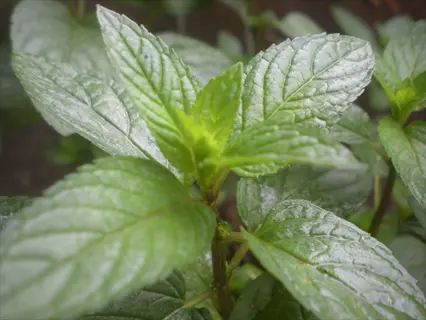
Peppermint
- Botanical name: Mentha piperita, a hybrid mint species combining watermint and spearmint genetics
- Traditional use: Relieves digestive discomfort including irritable bowel syndrome symptoms through gastrointestinal muscle relaxation
- Active compounds: Menthol provides cooling sensation, menthone contributes aroma, limonene offers antioxidant benefits
- Preparation: Steep 1 teaspoon dried leaves in 8 oz (237 ml) water or use enteric-coated capsules to protect oil
- Research note: Multiple clinical studies confirm significant reduction in abdominal pain and bloating for IBS patients
- Safety: May relax esophageal sphincter, worsening acid reflux; contraindicated for hiatal hernia sufferers
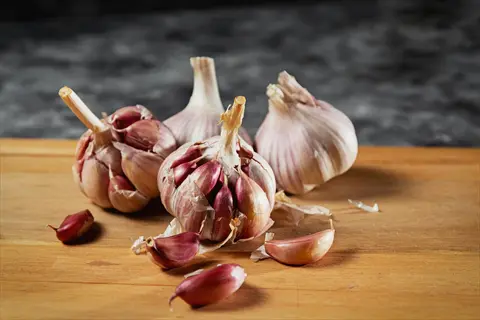
Garlic
- Botanical name: Allium sativum
- Traditional use: Cardiovascular and immune support
- Active compounds: Allicin, ajoene, alliin
- Preparation: Crushed fresh cloves or aged extracts
- Research note: Modest blood pressure reduction effects
- Safety: Increases bleeding risk; stop before surgery
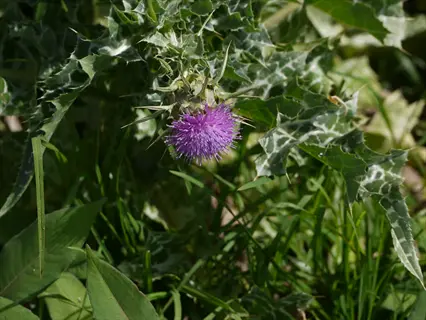
Milk Thistle
- Botanical name: Silybum marianum
- Traditional use: Liver protection and detox support
- Active compounds: Silymarin complex (silybin, silydianin)
- Preparation: Standardized extracts (70-80% silymarin)
- Research note: Demonstrated hepatoprotective properties
- Safety: Generally well-tolerated; mild laxative effect
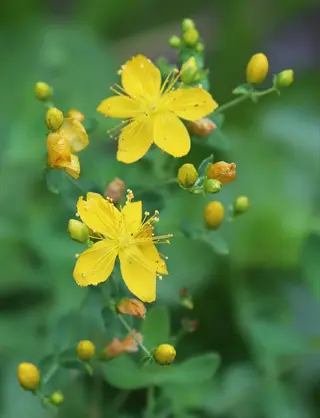
St. John's Wort
- Botanical name: Hypericum perforatum
- Traditional use: Mood support for mild depression
- Active compounds: Hypericin, hyperforin, flavonoids
- Preparation: Standardized extracts (0.3% hypericin)
- Research note: Comparable to antidepressants in mild cases
- Safety: Multiple drug interactions; consult physician
Benefits and Common Uses
The roots of herbology encompass remedies that target specific body functions simultaneously. Ashwagandha will help lower cortisol (the stress hormone) levels. In contrast, Echinacea purpurea will help stimulate white blood cell activity. We have long known how ashwagandha has been utilized in traditional Ayurvedic practices. But studies show its ability to significantly reduce anxiety markers in patients in a matter of weeks.
Digestive disorders may benefit from Zingiber officinale (ginger, also known as "the spice of life"). It speeds up the emptying of the stomach. Studies show that 1g of ginger powder decreases nausea by 40% in individuals undergoing chemotherapy. Expect relief within approximately 30 minutes (unlike acupuncture/moxibustion in traditional Chinese medicine, which typically requires multiple applications over several days).
For Cognitive Support: Ginkgo is believed to increase the blood flow, and therefore oxygen supply, to the brain and improve memory and recall. Studies in Europe suggest that 240mg taken daily has noticeable effects after about 4-6 weeks. It is believed that ginkgo has been used in one form or another for thousands of years, although modern trials do establish its circulation improving properties.
Stress and Anxiety Relief
- Mechanism: Regulates cortisol production and GABA receptors
- Key herbs: Ashwagandha reduces stress markers by 28% in clinical studies, passionflower increases GABA activity
- Application: Daily supplementation for 6-8 weeks shows significant improvement
- Onset: Effects typically noticed within 2-4 weeks of consistent use
- Safety note: Avoid combining with prescription anxiolytics without medical supervision
- Traditional use: Ayurvedic practice for millennia as adaptogens
Immune System Support
- Mechanism: Stimulates white blood cell production and activity
- Key herbs: Echinacea increases phagocytosis by 40%, elderberry inhibits viral replication
- Application: Begin at first cold symptoms, continue for 7-10 days
- Onset: Symptom reduction within 24-48 hours of proper dosing
- Safety note: Autoimmune conditions may require avoidance
- Traditional use: Native American and European folk medicine
Digestive Health
- Mechanism: Relaxes gastrointestinal smooth muscle, reduces inflammation
- Key herbs: Peppermint oil capsules reduce IBS symptoms by 50%, ginger accelerates gastric emptying
- Application: 30 minutes before meals or at symptom onset
- Onset: Relief within 20-40 minutes for acute symptoms
- Safety note: Peppermint may worsen acid reflux conditions
- Traditional use: Chinese medicine for digestive harmony
Cognitive Function
- Mechanism: Improves cerebral blood flow and neurotransmitter activity
- Key herbs: Ginkgo biloba enhances memory recall in adults, bacopa improves information processing
- Application: Consistent daily use for 12+ weeks
- Onset: Noticeable effects after 4-6 weeks of regular supplementation
- Safety note: Potential interactions with blood-thinning medications
- Traditional use: Ayurvedic brain tonics for centuries
Pain Management
- Mechanism: Inhibits inflammatory pathways and prostaglandin production
- Key herbs: Turmeric (curcumin) reduces arthritis pain comparably to ibuprofen, white willow bark contains natural salicin
- Application: 500-1000mg doses 2-3 times daily with meals
- Onset: Gradual improvement over 2-4 weeks for chronic conditions
- Safety note: High doses may cause gastrointestinal discomfort
- Traditional use: European herbalism for joint and muscle discomfort
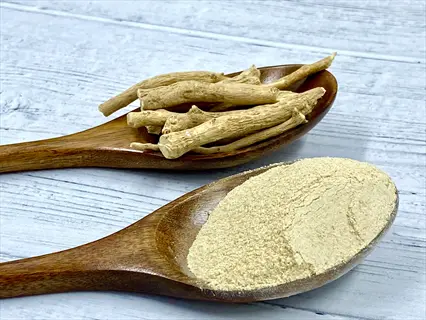
Ashwagandha
- Primary benefit: Reduces cortisol levels by 27.9% in stressed adults
- Secondary benefits: Improves sleep quality and endurance capacity
- Forms: Capsules (300-500mg), powder (1-3g), liquid extracts
- Dosage: 600mg daily for 8 weeks showed significant improvement
- Onset: Noticeable effects within 2 weeks for stress reduction
- Safety: Avoid during pregnancy; may interact with thyroid medications
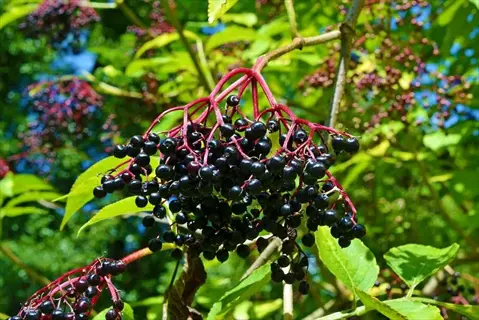
Elderberry
- Primary benefit: Reduces cold duration by 3-4 days in clinical trials
- Secondary benefits: High antioxidant content supports immune function
- Forms: Syrup (10ml daily), gummies, capsules, lozenges
- Dosage: 15ml syrup 4x daily at first cold symptoms
- Onset: Symptom relief within 24-48 hours of proper dosing
- Safety: Cooked berries only; raw may cause nausea
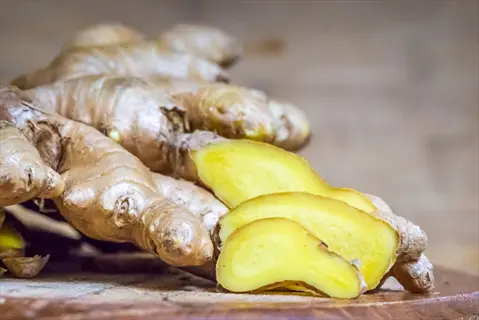
Ginger
- Primary benefit: Reduces nausea by 40% in pregnancy and chemotherapy
- Secondary benefits: Anti-inflammatory effects comparable to NSAIDs
- Forms: Fresh root (1-2g), tea, capsules, candied
- Dosage: 1g powdered ginger for motion sickness prevention
- Onset: Relief within 30 minutes for digestive discomfort
- Safety: May thin blood at high doses (>4g daily)

Ginkgo Biloba
- Primary benefit: Improves cognitive function in healthy adults aged 50-75
- Secondary benefits: Increases peripheral blood circulation
- Forms: Standardized extract capsules (120-240mg)
- Dosage: 240mg daily for 6 months shows best results
- Onset: Gradual improvement over 4-12 weeks
- Safety: Avoid with blood thinners; stop before surgery
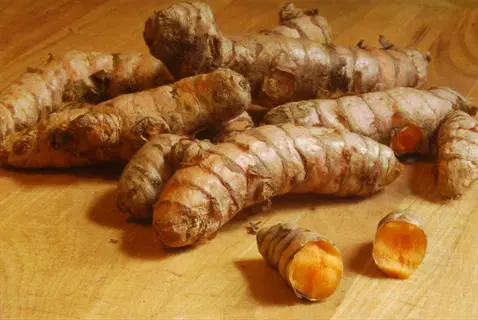
Turmeric
- Primary benefit: Reduces arthritis pain comparably to 800mg ibuprofen
- Secondary benefits: Potent anti-inflammatory and antioxidant
- Forms: Powder (1-3g), capsules, golden milk preparations
- Dosage: 500mg curcuminoids 2x daily with black pepper
- Onset: Pain relief within 4-8 weeks for chronic conditions
- Safety: High doses may cause digestive upset
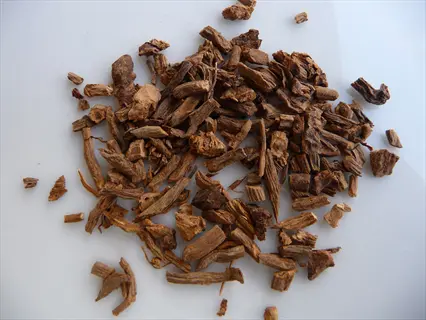
Valerian Root
- Primary benefit: Improves sleep quality by 30% in insomnia studies
- Secondary benefits: Reduces anxiety without morning drowsiness
- Forms: Capsules (300-600mg), tea, tincture
- Dosage: 600mg 1 hour before bedtime
- Onset: Effects noticeable after 2 weeks of consistent use
- Safety: Avoid with alcohol or sedative medications
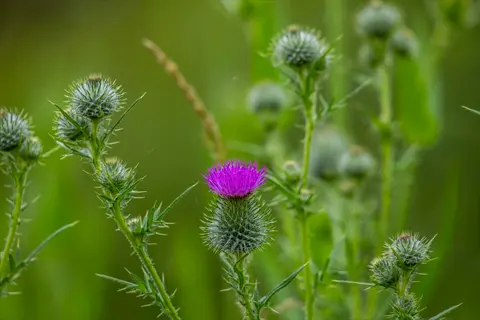
Milk Thistle
- Primary benefit: Liver protection and toxin clearance enhancement
- Secondary benefits: Antioxidant effects support cellular health
- Forms: Capsules (150-300mg silymarin), liquid extracts
- Dosage: 420mg standardized extract daily
- Onset: Liver enzyme improvement in 4-8 weeks
- Safety: Well-tolerated; mild laxative effect possible
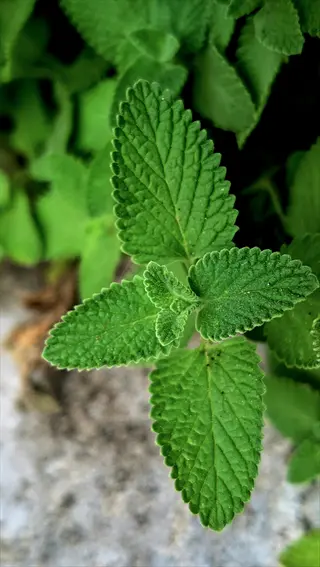
Peppermint
- Primary benefit: Reduces IBS symptoms in 75% of clinical trial participants
- Secondary benefits: Relieves tension headaches and congestion
- Forms: Enteric-coated capsules (0.2ml oil), tea
- Dosage: 1-2 capsules 3x daily before meals
- Onset: Abdominal pain relief within 1-2 hours
- Safety: May worsen acid reflux; avoid in hiatal hernia
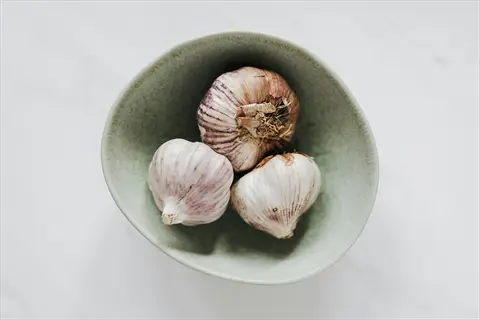
Garlic
- Primary benefit: Lowers blood pressure by 7-16mmHg in hypertensive patients
- Secondary benefits: Antimicrobial properties support immune function
- Forms: Raw cloves (2-4g), aged extract capsules
- Dosage: 600-1200mg aged extract daily
- Onset: Cardiovascular benefits after 4-12 weeks
- Safety: Increases bleeding risk; stop before surgery
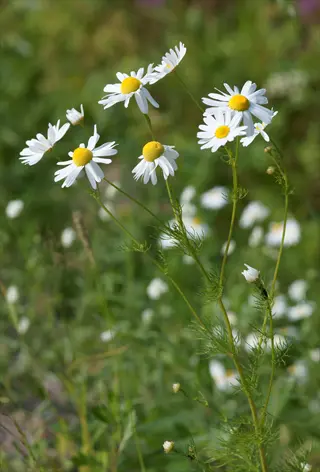
Chamomile
- Primary benefit: Reduces anxiety symptoms comparable to low-dose benzodiazepines
- Secondary benefits: Soothes digestive upset and skin irritation
- Forms: Tea (2-3g flowers), capsules, topical creams
- Dosage: 1-4 cups tea daily as needed
- Onset: Calming effects within 30 minutes of consumption
- Safety: Potential allergy in ragweed-sensitive individuals
Critical Safety Guidelines
Some populations must completely abstain from certain herbal remedies. Pregnant women cannot use black cohosh. Children under 12 should stay far away from yohimbe or kava kava, and people with liver problems must avoid comfrey.
Herbal medicines can interact dangerously with over-the-counter and prescription medications. For example, St. John's Wort can make birth control pills and antidepressant drugs less effective. Ginkgo biloba plus a blood thinner such as warfarin may cause increased bleeding. Always make it a point to inform all your caregivers about the medications you're taking.
Discontinue herbal remedies at least two weeks prior to surgery. Supplements like garlic may affect platelet function and increase the risk of bleeding during surgery. Anesthesia response can also be affected by herbs like valerian root or kava. Hospitals will require this information on a form before any surgery.
Report unexpected reactions right away using FDA MedWatch. The system tracks drugs that have dangerous interactions and drugs that have been contaminated. Retain original packaging to verify and document batch numbers. Your report will help prevent harm to others.
Pregnancy and Breastfeeding
- Absolute avoid: Black cohosh (uterine stimulation), pennyroyal (hepatotoxic)
- Limited use: Ginger max 1g/day for nausea under supervision
- Safety note: Fetal development risks with unprescribed herbal use
- Evidence gap: Limited clinical trials for prenatal safety profiles
- Professional guidance: Consult OB-GYN before any herbal consumption
- Regulatory status: No FDA pregnancy category ratings for herbals
Pre-Surgical Patients
- Discontinue 2+ weeks prior: Ginkgo (bleeding risk), garlic (platelet inhibition)
- Anesthesia interactions: St. John's Wort alters drug metabolism
- Vital sign concerns: Ephedra elevates blood pressure and heart rate
- Hospital protocols: Standard 14-day herbal-free window pre-operation
- Documentation requirement: Full disclosure on surgical intake forms
- Emergency risk: Increased hemorrhage during invasive procedures
Chronic Medication Users
- Blood thinners: Avoid ginseng, turmeric, feverfew (potentiates effects)
- Antidepressants: SSRI + St. John's Wort = serotonin syndrome risk
- Hypertension drugs: Licorice counteracts ACE inhibitor efficacy
- Diabetes medications: Gymnema may cause dangerous hypoglycemia
- Consultation protocol: Pharmacist review for interaction databases
- Monitoring need: Regular liver/kidney function tests during use
Children Under 12
- Strict avoidance: Yohimbe, kava kava, comfrey (hepatotoxic risk)
- Dosage adjustment: Weight-based calculations under pediatric oversight
- Form restrictions: No alcohol-based tinctures under age 6
- Allergy vigilance: Higher reaction rates to echinacea, chamomile
- Development concerns: Neurological impacts of stimulant herbs
- Regulatory note: Not evaluated for safety in growing bodies
Liver/Kidney Conditions
- Contraindicated: Kava (liver failure cases), aristolochia (nephrotoxic)
- Dosage limits: Milk thistle max 420mg/day silymarin for cirrhosis
- Monitoring parameters: Monthly ALT/AST tests during herbal use
- Detoxification burden: Herb metabolites increase organ stress
- Interaction alert: Reduced clearance of prescription medications
- Specialist oversight: Hepatologist/nephrologist co-management
Identification Steps
- Symptom journaling: Document onset timing, duration, and severity
- Product analysis: Record brand name, batch number, ingredients
- Timeline reconstruction: Note all concurrent medications/foods
- Healthcare coordination: Share data with primary care provider
- Differential diagnosis: Rule out non-herbal causes of symptoms
- Allergy testing: Consider patch tests for topical reactions
Reporting Systems
- FDA MedWatch: Mandatory for manufacturers, voluntary for consumers
- Poison Control: 24/7 guidance (1-800-222-1222 in US)
- Manufacturer notification: Required for product liability tracking
- Digital platforms: SafetyReporting.org for electronic submissions
- International systems: Yellow Card Scheme (UK), Vigibase (WHO)
- Documentation: Preserve original packaging as evidence
Emergency Response
- Immediate discontinuation: Stop all herbal products immediately
- Medical attention: ER visit for anaphylaxis, jaundice, or seizures
- Supportive care: Hydration for vomiting/diarrhea-induced dehydration
- Antidote awareness: N-acetylcysteine for liver toxicity cases
- Specialist consultation: Toxicology team involvement for severe cases
- Follow-up protocol: Liver/kidney function monitoring for 90 days
Long-Term Monitoring
- Liver function tracking: ALT/AST testing at 30, 60, and 90 days
- Renal assessment: Quarterly eGFR tests for kidney involvement cases
- Neurological exams: Coordination tests for CNS-affecting reactions
- Cardiac surveillance: EKG monitoring if arrhythmia symptoms present
- Immune system tracking: CBC counts for blood-related reactions
- Specialist referrals: Hepatology, nephrology, or neurology follow-ups
Preventive Measures
- Product verification: Third-party certification seals (USP, NSF)
- Dosing compliance: Use calibrated tools for liquid preparations
- Interaction screening: Pharmacist review of medication profiles
- Patch testing: Apply topical products to small skin area first
- Gradual introduction: Start with 25% dose to assess tolerance
- Education materials: Provide multilingual warning handouts
Choosing Quality Products
Look for seals like "USP Verified" and "NSF International" on the label to verify that the product has been tested for quality and purity. Search the USP database online using the code on the product packaging. For NSF, look for the "Certified for Dietary Supplements" mark. Both of these indicate that the ingredients listed on the label are accurate and that the supplement has been tested for contaminants.
Scientific Plant Names Prevent Dangerous Mistakes Look for labels that list the most popular species of plant in binomial Latin. For example, Echinacea purpurea is the most popular medicinal type of this plant. Products listing only purple coneflower or echinacea, without the Latin, could contain different species or varieties. Make sure you know what's inside!
Methods of extraction can have implications for potency and safety. CO2 extraction allows for gentle preservation of delicate compounds, without the use of solvents. Alcohol tinctures are especially effective at extracting alkaloids; however, they can exacerbate stomach sensitivities. Glycerin-based extracts are better tasting than alcohol-based extracts. Still, they have a shorter shelf life than alcohol-based extracts.
Transparency is essential for ethical sourcing. Insist on supply chain documentation that demonstrates proof of wild harvest permits or organic certification. FairWild certification offers assurances of sustainable collection practices. Brands should be transparent about farm location and testing reports.
USP Verified
- Scope: Verifies ingredient accuracy, potency, and purity
- Testing: Independent lab checks for contaminants like heavy metals
- Limitations: Doesn't evaluate efficacy, only manufacturing standards
- Identification: Look for USP seal on packaging with verification code
- Database access: Online USP verification portal for status confirmation
- Global recognition: Accepted in 140+ countries as quality benchmark
NSF International
- Scope: Certifies no undeclared ingredients or banned substances
- Testing: Annual facility audits and random product testing
- Sport advantage: Certified for Sport label guarantees doping-free
- Identification: NSF mark with "Certified for Dietary Supplements" text
- Recall monitoring: Continuous market surveillance for violations
- Industry trust: Preferred by healthcare institutions and athletes
Non-GMO Project
- Scope: Verifies absence of genetically modified ingredients
- Testing: DNA-based detection of GMO materials in raw plants
- Supply chain: Traces ingredients back to seed sources
- Identification: Butterfly logo with unique certification number
- Limitations: Doesn't address other quality aspects like potency
- Consumer preference: 80% of supplement buyers seek this seal
FairWild Certification
- Scope: Ensures ethical wild harvesting and habitat protection
- Principles: Fair labor practices and sustainable collection limits
- Traceability: Maps supply chain from harvesters to consumers
- Identification: FairWild logo with certification code on packaging
- Impact: Supports biodiversity conservation in 50+ countries
- Coverage: Applies to wild-sourced herbs like goldenseal and arnica
Organic Certifications
- USDA Organic: Requires 95%+ organic ingredients, no synthetic pesticides
- EU Organic: Prohibits chemical fertilizers and irradiation
- Verification: Annual on-site farm inspections and residue testing
- Identification: Country-specific logos (e.g., USDA green seal)
- Limitations: Higher cost but guarantees pesticide-free cultivation
- Documentation: Certification number traceable to producer
Supplier Verification
- Transparency request: Demand supply chain documentation
- Harvest certificates: Verify wild collection permits and dates
- Farm visits: Reputable brands allow third-party inspections
- Testing reports: Access to recent contaminant analysis
- Sustainability proof: Reforestation or cultivation initiatives
- Ethical compliance: Fair labor certifications like Fair Trade
Online Purchase Risks
- Counterfeit detection: Check holograms and tamper-proof seals
- Seller verification: Prefer authorized retailers with physical addresses
- Review analysis: Investigate recurring complaint patterns
- Payment security: Use credit cards with fraud protection
- Import alerts: Check FDA Import Alert list for banned brands
- Third-party testing: Independent lab verification for online orders
Storage Considerations
- Light protection: Opaque or dark glass containers preferred
- Temperature control: Maintain below 77°F (25°C) for stability
- Moisture prevention: Silica gel packs in humid climates
- Shelf life: Replace liquids after 1 year, powders after 2 years
- Organoleptic checks: Discard if color, smell, or texture changes
- Child safety: Child-resistant packaging for all liquid extracts
Brand Reputation
- Recall history: Research past FDA warnings or product withdrawals
- Scientific engagement: Look for research partnerships with universities
- Transparency awards: Recognition from consumer advocacy groups
- Industry standing: Membership in AHPA or other trade associations
- Customer service: Responsive contact channels for inquiries
- Adherence: Compliance with GMP (Good Manufacturing Practices)
Value Assessment
- Cost analysis: Price per milligram of active ingredients
- Concentration comparison: Extract potency versus raw herb equivalents
- Additive check: Avoid unnecessary fillers like magnesium stearate
- Synergistic blends: Evidence for combination product formulations
- Dose efficiency: Bioavailability enhancements (e.g., black pepper)
- Clinical backing: Products used in published research studies
Practical Usage Tips
Measure accurately in the following systems: Teas: 1 teaspoonful to 8 ounces, or 237ml. Tincture doses: 20 to 40 drops in 4oz, or 118ml. (liquid.) Capsule weights: milligrams and grams contained in them in the usual doses.
To ensure the stability of remedies, store at 60-77°F or 15-25°C. Fresh tinctures should be kept in the refrigerator at 34-38°F or 1-3°C. Dried herbs should be stored in the freezer at 0°F (-18°C) for long-term preservation. Temperature monitoring is crucial for preserving potency.
Expect different onset times per remedy type. Teas work within 30 minutes while capsules take 1-2 hours. Tinctures show effects in 15-45 minutes. Topical applications need 2-4 hours for full absorption.
The variations in seasons impact how effective remedies will be. For instance, an adaptogenic herb like ashwagandha is particularly effective in mitigating the stressors of winter. Mints, for example, are cooling and excellent for summer heat. Spring is for detox herbs, and autumn is for immune tonics.
Teas and Infusions
- Water temperature: 195-205°F (90-96°C) for optimal extraction
- Steeping time: 5-10 minutes for leaves/flowers, 15-20 minutes for roots
- Dosage: 1 teaspoon dried herb per 8 oz (237 ml) water
- Covering importance: Prevents volatile oil evaporation during steeping
- Reuse potential: Some herbs like chamomile can be resteeped once
- Timing: Consume within 4 hours of preparation for maximum potency
Tinctures and Extracts
- Alcohol percentage: 40-60% for optimal preservation and extraction
- Dilution ratio: 20-40 drops in 4 oz (118 ml) water or juice
- Administration: Sublingual (under tongue) for faster absorption
- Storage bottles: Amber glass protects from light degradation
- Shaking protocol: Gently invert bottle before each use
- Duration: Effects typically noticed within 15-30 minutes
Capsules and Tablets
- Timing: Take with 8 oz (237 ml) water 30 minutes before meals
- Breaking rules: Never crush enteric-coated or timed-release formulas
- Combination guidance: Space different herbs by 2 hours if unknown interactions
- Empty stomach: Avoid for herbs known to cause gastric irritation
- Consistency: Maintain same daily intake time for consistent blood levels
- Absorption aid: Take with healthy fats for fat-soluble compounds
Topical Applications
- Skin test: Apply dime-sized amount to inner forearm for 24 hours
- Massage technique: Gentle circular motions for enhanced absorption
- Covering: Use breathable bandages for wound treatments
- Frequency: Apply 2-4 times daily depending on condition severity
- Cleanliness: Wash hands before application to prevent contamination
- Temperature effect: Slightly warm oils increase penetration rate
Syrups and Elixirs
- Sweetener ratio: 1:1 honey/herb infusion for preservation
- Refrigeration: Store at 34-38°F (1-3°C) after opening
- Shelf life: Discard after 3 months due to mold risk
- Dosing: 1-2 teaspoons every 2-4 hours for acute symptoms
- Shake requirement: Essential for even distribution of sediment
- Child safety: Use child-resistant caps and store out of reach
Temperature Control
- Ideal range: 60-77°F (15-25°C) for most herbal products
- Refrigeration: Required for fresh tinctures and glycerites
- Freezing: Preserves dried herbs for 2-3 years in airtight containers
- Heat protection: Keep away from stoves, ovens, and direct sunlight
- Vehicle impact: Never store in cars during summer months
- Monitoring: Use thermometer/hygrometer in storage areas
Light Protection
- Container types: Amber or cobalt glass blocks UV degradation
- Cabinet storage: Dark, enclosed spaces prevent photo-oxidation
- Labeling: Use light-resistant labels that won't fade over time
- Inspection: Check for color changes every 3 months
- Light exposure limit: Maximum 30 minutes daily during use
- Special cases: St. John's Wort requires complete darkness
Moisture Prevention
- Desiccants: Silica gel packs in containers for humid climates
- Seal types: Double-lock lids for powdered herbs
- Moisture indicators: Color-changing cards in bulk storage
- Relative humidity: Maintain below 60% to prevent mold
- Drying protocol: Return unused portions immediately after measuring
- Problem signs: Clumping or crystallization in powders
Shelf Life Guidelines
- Dried herbs: 1-2 years in optimal conditions
- Tinctures: 5+ years for alcohol-based, 2 years for glycerin
- Capsules: 2 years from manufacturing date
- Oils/creams: 1 year due to base ingredient oxidation
- Fresh preparations: 3-7 days refrigerated
- Discard signs: Faded color, musty smell, texture changes
Organization Systems
- Labeling: Expiration dates in MM/YYYY format visible from front
- Rotation: FIFO (first-in, first-out) system implementation
- Separation: Store strong-scented herbs in sealed containers
- Accessibility: Frequently used items at eye level
- Documentation: Maintain digital inventory with expiry alerts
- Safety: Childproof locks on cabinets for liquid preparations
5 Common Myths
Herbal remedies are completely safe because they're natural and can be taken in unlimited quantities without side effects.
Natural does not automatically mean safe. Many plants contain potent bioactive compounds that can cause serious adverse reactions, interact with medications, or be toxic in high doses. For example, comfrey contains pyrrolizidine alkaloids that cause liver damage, and kava can lead to severe hepatotoxicity with prolonged use. Always follow recommended dosages and consult healthcare providers, especially with pre-existing conditions.
If an herb works quickly, it must be more effective than prescription medications for treating serious health conditions.
Speed of effect doesn't correlate with treatment efficacy or safety. While some herbs like peppermint oil provide rapid relief for IBS symptoms, chronic conditions require sustained treatment. Pharmaceutical drugs undergo rigorous clinical trials proving their efficacy for specific indications, whereas many herbs lack comprehensive studies. For instance, while St. John's Wort shows antidepressant effects comparable to SSRIs in mild cases, it's unsuitable for severe depression without medical supervision due to interaction risks.
All herbal products sold commercially are tested for purity and potency by the FDA and/or other governmental agencies.
The FDA, however, does not approve dietary supplements before they are marketed. Under the DSHEA act, it is the responsibility of the manufacturer to test the product and market it only if the product is found safe and is labeled accurately. Contamination with unwanted ingredients is a problem. Some studies have shown that herbal products may contain heavy metals, pesticides, and sometimes even undeclared pharmaceuticals. Look for products that have third-party endorsements (like the USP, or NSF) and do not buy herbal products with vague "blend" labels that give no information as to the percentages of ingredients included.
Mixing various herbal remedies creates synergistic effects and is always better than a single herb used alone.
Herbal combinations can be dangerous and rather than being synergistic, herbs can work against each other. Pharmacodynamic interactions can increase or decrease effects in completely unpredictable ways. Ginkgo combined with garlic has increased bleeding and valerian with kava has increased the effects of benzos to dangerous levels. Synergistic benefits can be achieved, but scientific validation is necessary, the combination of turmeric with black pepper, for example, enhances bioavailability. However, many traditional combinations lack evidence in clinical testing and can lead to adverse reactions.
Herbal remedies can cure chronic diseases like cancer or diabetes when used instead of conventional medical treatments.Curing chronic diseases like cancer and diabetes with herbal remedies instead of regular medicine.They believe that herbs can cure chronic diseases like cancer or diabetes if they do not use conventional medical treatment.Qi can cure chronic diseases like cancer or diabetes using herbal remedies instead of turning to medicines or doctors.
No matter how effective the herbs are, chronic diseases like cancer or diabetes do not get cured unless you take conventional medicine along it. Milk thistle, for instance is a herb used to detoxify the liver when there is chemotherapy going on. Cinnamon is used to deal with blood sugars. These are supporting herbs but they do not necessarily cure or reverse the diseases. If you solely rely on herbs for chronic diseases such as that, you may delay evidence based treatment for that and might run the risk of the disease progressing pass a certain point. Never make a decision about herbal remedies without your professional help and cooperation.
Conclusion
When properly utilized, herbal remedies, especially when combined with other natural approaches, can offer us formidable natural options. In previous blogs, we reviewed preparation methods, the safe use of herbs, and how to ensure product quality. Remember, these methods are adjuncts to, not substitutes for, professional medical care.
Combine ancient knowledge with modern science to achieve the most effective results. Ancient/folk knowledge is useful, but science validates efficacy. Begin by following safety protocols and consulting a healthcare professional before taking any herbal supplement.
Important safeguards involve investigating for interactions between the herbs and the medicine and discontinuing their use before any procedures. Adverse events and reactions should be reported to the relevant ethical monitoring systems (e.g., the FDA's MedWatch). For quality assurance, this includes verifying certifications and adhering to standard procedures for storage conditions.
You possess the knowledge for responsible use of herbal medicines. Utilize appropriate dosing, honor natural changes with the seasons, and consider ethical brands, etc. These three practices will allow you to enjoy the benefits of nature safely.
External Sources
Frequently Asked Questions
What are herbal remedies?
Herbal remedies are natural medicines derived from plants, including roots, leaves, flowers, and seeds. They come in forms like teas, tinctures, capsules, and topicals to address various health concerns through bioactive compounds.
How do you safely use herbal remedies?
Always follow these safety practices:
- Consult healthcare providers before use, especially with medications
- Verify product quality through third-party certifications
- Follow precise dosing instructions
- Discontinue use before surgeries
- Monitor for adverse reactions
How long do herbal remedies take to work?
Effects vary significantly depending on the remedy type and health condition. Acute issues may show improvement within hours, while chronic conditions often require consistent use over several weeks to months for noticeable benefits.
What's the difference between herbal and homeopathic remedies?
Herbal remedies use measurable concentrations of plant compounds to create physiological effects. Homeopathy employs highly diluted substances based on 'like cures like' principles without detectable active ingredients.
Can herbal remedies interact with prescription medications?
Yes, potentially dangerous interactions occur with common combinations:
- St. John's Wort with antidepressants causes serotonin syndrome
- Ginkgo biloba with blood thinners increases bleeding risk
- Garlic supplements may reduce HIV medication efficacy
Are herbal remedies regulated for safety?
Regulatory oversight varies globally. In many regions, manufacturers bear responsibility for safety under post-market surveillance systems rather than pre-approval processes. Third-party certifications provide crucial verification of purity and potency.
What are effective herbs for stress relief?
Research-supported options include:
- Ashwagandha for cortisol reduction
- Passionflower for GABA enhancement
- Chamomile for mild anxiety relief
- Valerian root for sleep improvement
- Lemon balm for nervous system calming
How do you choose quality herbal products?
Prioritize these verification methods:
- Check for USP or NSF certification seals
- Verify scientific plant names on labels
- Confirm extraction methods and concentrations
- Research brand reputation and testing practices
- Examine expiration dates clearly
Can pregnant women use herbal remedies?
Most herbs should be avoided during pregnancy due to uterine stimulation or fetal development risks. Limited exceptions like ginger for nausea require strict medical supervision and low-dose protocols.
What are common myths about herbal remedies?
Dangerous misconceptions include:
- 'Natural' doesn't guarantee safety
- Herbs can't replace conventional cancer treatments
- Speed of effect doesn't indicate superiority
- Combining herbs doesn't always create synergy
- FDA approval isn't required pre-market